What Makes a Property Location Truly Valuable in Kenya?
Every real estate brochure quotes the mantra 'location, location, location'. But what specifically creates enduring land value in Kenya? Here is the institutional framework for evaluating arterial bypasses, zoning integrity, flood topography, and security buffer zones.

Every real estate flyer, marketing presentation, and developer pitch repeats the timeless mantra: 'location, location, location'. Yet, in Kenya rapidly evolving urban landscape, few property buyers can define what makes one specific location exponentially more valuable and enduring than another.
Location in Nairobi is not merely an aesthetic preference; it is a complex intersection of civil infrastructure, zoning enforcement, topography, soil mechanics, security covenants, and social proximity. Understanding these underlying institutional drivers allows investors to identify undervalued growth corridors and avoid capital traps.
1. Infrastructure Connectivity: The Catalyst of Land Value
In Kenya, infrastructure is the primary architect of real estate appreciation. When the National Government or county authorities invest public capital into transformative transport infrastructure, surrounding land values experience exponential upward re-ratings.
Historical precedents demonstrate this reality clearly:
- The Thika Superhighway transformed Ruiru, Juja, and Thika from sleepy agricultural outposts into bustling industrial and residential hubs.
- The Southern Bypass unlocked the residential potential of Ngong and Kikuyu, connecting them to Mombasa Road in under 25 minutes.
- The Western Bypass transformed Ruaka and Ndenderu into immediate northern extensions of Westlands and Gigiri.
- The Nairobi Expressway created an unassailable commercial transit advantage for Westlands, linking executives to Jomo Kenyatta International Airport (JKIA) in 15 minutes without encountering city gridlock.
2. Zoning Integrity and Neighborhood Covenants
A location is only as valuable as the stability of its physical environment. The Physical and Land Use Planning Act 2019 sets zoning parameters, but enforcement varies drastically across county boundaries.
| Neighborhood Category | Representative Areas | Zoning Character & Regulatory Stability | Value Impact |
|---|---|---|---|
| Strict Residential Gated Enclaves | Runda, Muthaiga, Nyari, Karen | Low-density single-family bungalows on 0.5 to 1 acre; zero commercial encroachment | High capital preservation; premium multi-generational wealth store |
| Evolving Mid-Density Residential | Kileleshwa, Lavington, Spring Valley | Controlled townhouse compounds and low-to-mid rise apartments up to 8 stories | Balanced blend of strong capital growth and solid rental yields |
| High-Density Urban Mixed-Use | Kilimani, Westlands, Upper Hill | High-rise towers (15-25 stories), vibrant commercial dining, 24/7 commercial activity | High cashflow yield; potential localized noise and utility congestion |
| Unregulated Rapid-Growth Corridors | Parts of Eastlands, peri-urban satellites | Weak zoning enforcement; mixed residential, industrial workshops, and informal structures | High speculative yield; severe risk of aesthetic and environmental decline |
When evaluating an investment, examine whether the neighborhood possesses an active, legally constituted Residents Association with the financial resources and legal standing to enforce zoning covenants and block illegal commercial developments.
3. Topography, Soil Mechanics, and Flood Immunity
Kenya tropical climate brings periodic torrential downpours during the long rains and El Nino seasons. In low-lying, poorly drained basins, stormwater runoff causes catastrophic localized flooding, structural foundation cracking, and sewage back-flow.
Always evaluate the geological profile of your land. Red volcanic soil (prevalent along Nairobi western ridges) provides outstanding drainage and solid rock bearing capacity. Black cotton soil (prevalent across southern and eastern plains) expands dramatically when wet and shrinks when dry, requiring deep structural concrete piles that increase construction costs by 25 to 40 percent.
Elevated ridges in Westlands, Kitisuru, Kileleshwa, and Karen drain naturally via river valleys, ensuring roads remain dry, structures stay sound, and properties remain accessible throughout extreme weather events.
4. The Security Buffer: Diplomatic Blue Zones
Security is an indispensable component of property value in any major African metropolis. In Nairobi, the premier residential zones are defined by the United Nations Department of Safety and Security (UNDSS) Blue Zone classification.
Suburbs like Gigiri, Runda, Muthaiga, Nyari, Spring Valley, and Kitisuru benefit from:
- Proximity to major diplomatic installations, including the United Nations Headquarters, the United States Embassy, and European diplomatic missions.
- Heavily coordinated police patrol circuits and rapid armed private security response networks.
- Continuous barrier checkpoints along primary access roads.
Properties situated within diplomatic blue zones command premium, dollar-denominated rental leases from international organizations, providing owners with an insulated hedge against domestic currency fluctuations.
5. Social Infrastructure: The 15-Minute Lifestyle Radius
Ultimately, real estate is about human living. A location achieves lasting, compound value when it satisfies all essential family and lifestyle needs within a 15-minute radius:
- Healthcare: Proximity to tertiary teaching and referral hospitals with accredited emergency departments (Aga Khan University Hospital, Nairobi Hospital, MP Shah).
- Education: Quick transit routes to premier international and private academic institutions (ISK, Braeburn, Brookhouse, Strathmore, Peponi).
Key Takeaways
- 01.Infrastructure connectivity (bypass access, expressway links) drives the most powerful and rapid capital appreciation in Kenya.
- 02.Zoning integrity protects long-term value by preventing intrusive commercial or high-density encroachment.
- 03.Topography matters: elevated red volcanic soil ridges provide natural drainage, superior foundation stability, and flood immunity.
- 04.Diplomatic blue zones (Gigiri, Runda, Spring Valley) offer recession-proof hard currency rental demand and premier security.
- 05.Proximity to premier healthcare and top international schools creates permanent, inelastic tenant demand that resists economic downturns.
- Commercial Convenience: High-quality retail hubs offering gourmet grocery shopping, banking, fitness centers, and entertainment (Sarit Centre, Westgate, Village Market, Yaya Centre).
When a property combines arterial road connectivity, strict zoning protection, elevated red-soil topography, verified security infrastructure, and immediate access to top social amenities, its value becomes resilient against economic downturns and compounds reliably across generations.

Zuri Estates Team
Property Advisory & Client Coordination
The Zuri Estates Team provides independent property guidance, market intelligence, and acquisition support across Nairobi and the Kenyan Coast. Operating from our Kilimani offices, our desk coordinates developer audits, physical site inspections, and legal conveyancing for homebuyers and investors.

Antony Baragu
Real estate strategist
This article has been reviewed by Antony Baragu to ensure the accuracy, completeness, and validity of all market metrics, property details, and investment guidance.
Related Residences, Developments & Neighbourhoods
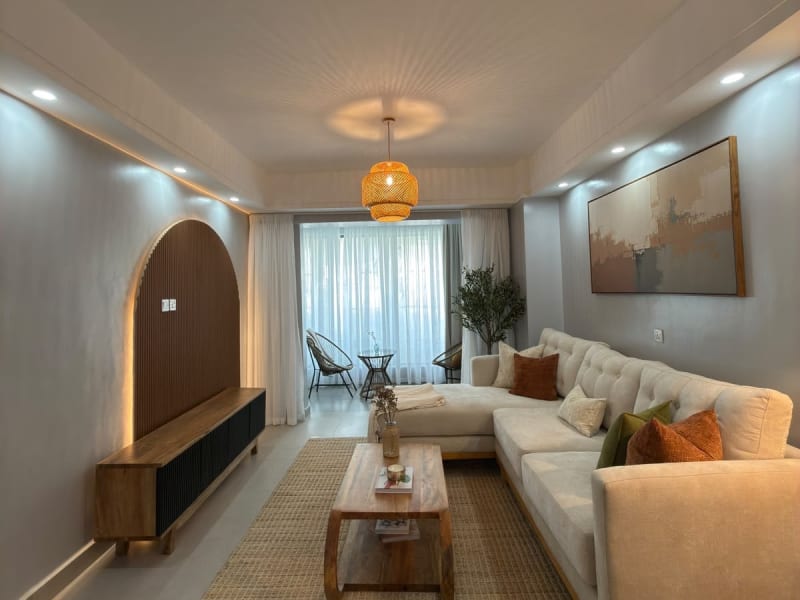
KILIMANI · MENELIK ROAD, OFF NGONG ROAD, KILIMANI, NAIROBI
Emerald Residences
Modern urban living with strong investment potential in Kilimani

WESTLANDS · NAIROBI
Oak West 2 Bedroom Apartment
Contemporary 2-bedroom living in the heart of Westlands.

Westlands · Vihiga Road, Kilimani, Nairobi
Luster Arbor Residency
Modern apartments designed for elegant city living and exceptional long-term investment.

Westlands · Muthithi Road, Westlands, Nairobi, Kenya
Montbleu Residences Westlands
Elevated Living. Timeless Design. Prime Westlands Address.

Featured Neighbourhood
Kilimani
Nairobi's vibrant apartment district with exceptional rental demand and investment potential.
Featured Neighbourhood
Kileleshwa
A peaceful, upscale neighbourhood offering elegant apartment living close to Nairobi’s key business districts.
Featured Neighbourhood
Westlands
Nairobi’s premier commercial and luxury residential district with exceptional investment potential.