Building Futures: How Kenya's Construction and Real Estate Value Chain Creates Youth Employment
Explore the socio-economic impact of Kenya's real estate sector. How construction, engineering, artisanal trades, interior design, and PropTech provide vital employment for Kenyan youth.
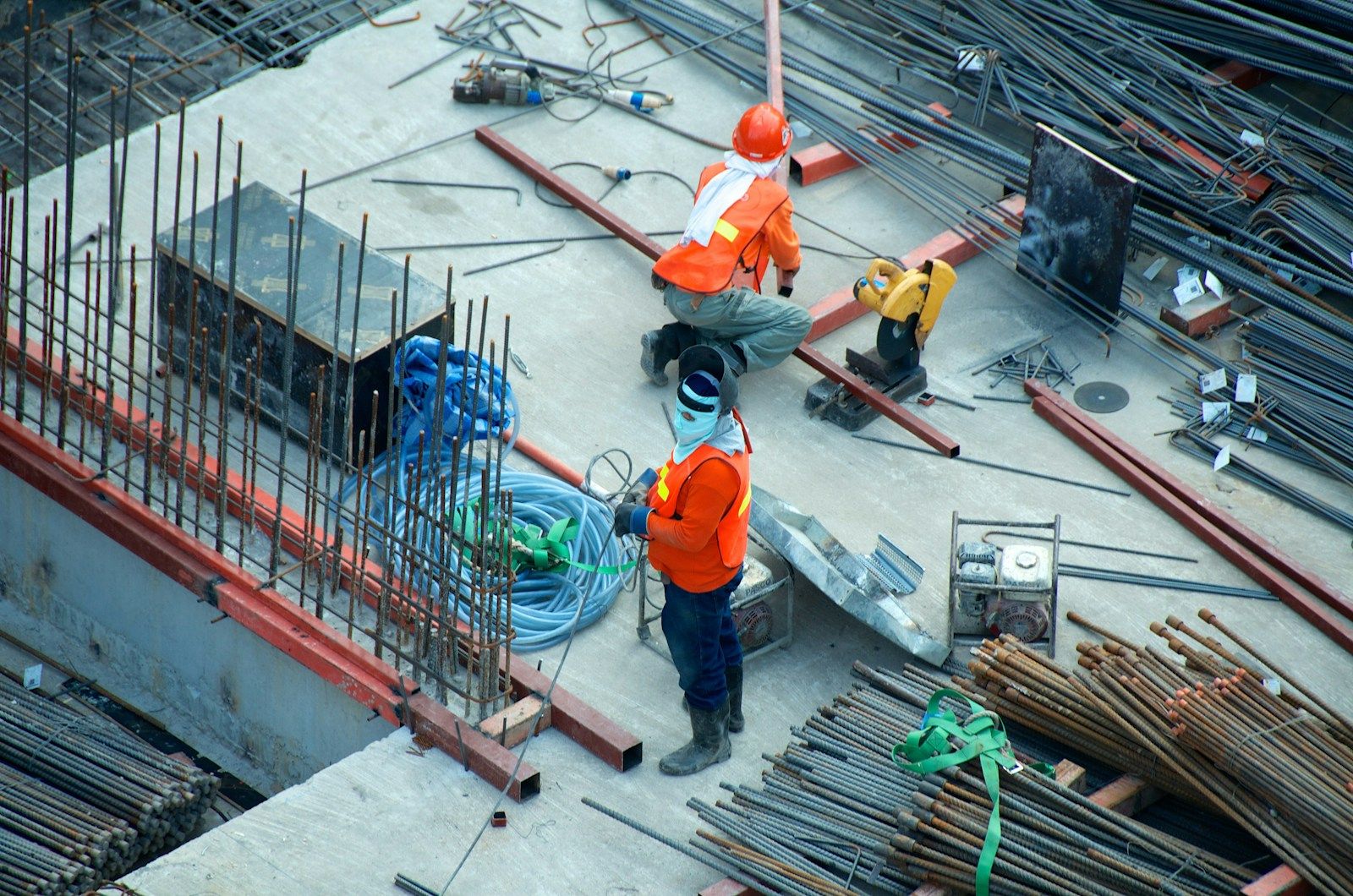
The Human Engine Behind the Skyline
When we admire the changing skyline of Nairobi, our eyes naturally gravitate toward the architectural aesthetics: shimmering glass facades, clean geometric balconies, and soaring towers rising above the trees. Yet behind every concrete slab, tiled bathroom, and painted corridor lies a profound socio-economic reality: human employment.
In Kenya, real estate and construction represent one of the most powerful economic multipliers in the national economy. With youth unemployment remaining a central national challenge, the property value chain serves as an indispensable engine of job creation, skills transfer, and economic dignity for millions of young Kenyans.
The 3.5x Economic Multiplier
Economic research indicates that every KSh 1,000,000 invested in residential construction in Kenya generates roughly KSh 3,500,000 in secondary economic activity across manufacturing, logistics, and retail trade.
The Three Tiers of Real Estate Employment
The employment footprint of a modern residential development spans three distinct professional phases:
1. Professional Planning and Design Services
Before groundbreaking, a project engages young university-educated professionals:
- Architects and BIM Modelers: Designing climate-responsive floor plans and structural layouts.
- Civil and Structural Engineers: Calculating load-bearing foundations, seismic resilience, and drainage systems.
- Quantity Surveyors and Legal Advocates: Managing construction bills of quantities, contract administration, and statutory title conveyancing.
2. On-Site Artisanal Construction Trades
During the 18 to 24-month construction phase, hundreds of skilled youth artisans operate on site:
- Masons and Concrete Specialists: Laying structural blockwork, casting columns, and applying internal plaster finishes.
- Steel Fixers and Welders: Bending and tying high-grade steel rebar according to engineering reinforcement schedules.
- Plumbers and Electricians: Installing pressurized water pipes, solar hot water circuits, and fire-resistant wiring conduits.
| Trade / Professional Role | Primary Skills Required | Average Daily / Project Income | Youth Absorption Level |
|---|---|---|---|
| Artisanal Masonry / Plastering | Block laying, screeding, rendering | KSh 1,500 - KSh 2,500 / day | High (Primary site labor force) |
| Certified Electrician | Conduit wiring, circuit panels, solar PV | KSh 2,000 - KSh 3,500 / day | Moderate to High (NCA certified) |
| Plumbing & Sanitary Tech | PPR piping, drainage, borehole reticulation | KSh 2,000 - KSh 3,200 / day | High (Essential utility trade) |
| Joinery & Cabinet Maker | Kitchen cabinetry, wardrobes, solid doors | KSh 2,500 - KSh 4,000 / day | Moderate (High craftsmanship value) |
| 3D Architectural Visualizer | Blender, 3ds Max, Matterport scanning | KSh 50,000 - KSh 150,000 / project | Growing rapidly (Tech-enabled youth) |
| Facilities / Property Manager | Tenant liaison, maintenance accounting | KSh 60,000 - KSh 140,000 / month | Long-term permanent employment |
3. Post-Handover Operational Livelihoods
Employment does not end when construction wraps up. Completed apartment buildings create permanent, recurring operational jobs:
- Facilities Management: 24/7 building managers, licensed electrical maintenance engineers, and pool technicians.
- Security and Cleaning Personnel: Professional security officers, access control operators, and groundskeepers.
- Leasing and Advisory Professionals: Real estate consultants, digital marketers, and conveyancing legal clerks.
Employment Multiplier
Empowering the Informal Sector: Jua Kali Integration
A transformative development in Kenya'''s property sector is the formal integration of the Jua Kali artisan informal sector:
Under national affordable housing guidelines, large-scale residential projects are required to source standardized fittings (metal casement doors, steel window grills, custom balustrades) directly from registered local artisan cooperatives, injecting hundreds of millions of shillings directly into grassroots youth workshops.
Story with a Soul
When you purchase an apartment in Nairobi, your capital does far more than acquire square footage; it pays school fees for masons' children, provides hands-on apprenticeships for young TVET engineers, and fuels the dreams of Kenya's youth workforce.
Key Takeaways
- 01.The construction and real estate sector sustains over 1.5 million livelihoods across Kenya.
- 02.Every KSh 1M invested in property generates KSh 3.5M in broader economic activity through domestic supply chains.
- 03.Vocational TVET training and NCA certification are elevating artisanal construction trades into dignified careers.
- 04.Modern real estate fosters tech-driven youth employment in 3D visualization, PropTech, and facilities management.
Invest in Developments that Build Kenya
At Zuri Estates, we celebrate the dedicated Kenyan craftsmen, engineers, and artisans whose talent and labor bring our residential communities to life.
Explore our community-focused residential residences or contact our team to learn more about our commitment to responsible property development.

Zuri Estates Team
Property Advisory & Client Coordination
The Zuri Estates Team provides independent property guidance, market intelligence, and acquisition support across Nairobi and the Kenyan Coast. Operating from our Kilimani offices, our desk coordinates developer audits, physical site inspections, and legal conveyancing for homebuyers and investors.

Antony Baragu
Real estate strategist
This article has been reviewed by Antony Baragu to ensure the accuracy, completeness, and validity of all market metrics, property details, and investment guidance.
Related Residences, Developments & Neighbourhoods

KILIMANI · RIARA ROAD, OPPOSITE THE JUNCTION MALL, KILIMANI, NAIROBI
1 Bedroom Residence at Golden Apple Residence Kilimani
Calibrated 1-Bedroom Urban Suite with Deep Balcony Directly Opposite The Junction Mall

KILIMANI · RIARA ROAD, OPPOSITE THE JUNCTION MALL, KILIMANI, NAIROBI
1 Bedroom plus Study Executive Residence at Golden Apple Residence Kilimani
Generous 85 SQM Executive Suite with Dedicated Home Office Alcove Opposite The Junction Mall

Lavington · Quiet Gated Court, Lavington, Nairobi, Kenya
Lavington Luxury Villas
Distinguished 5-bedroom luxury villas spanning 6,000 sq ft with private pools and landscaped gardens.
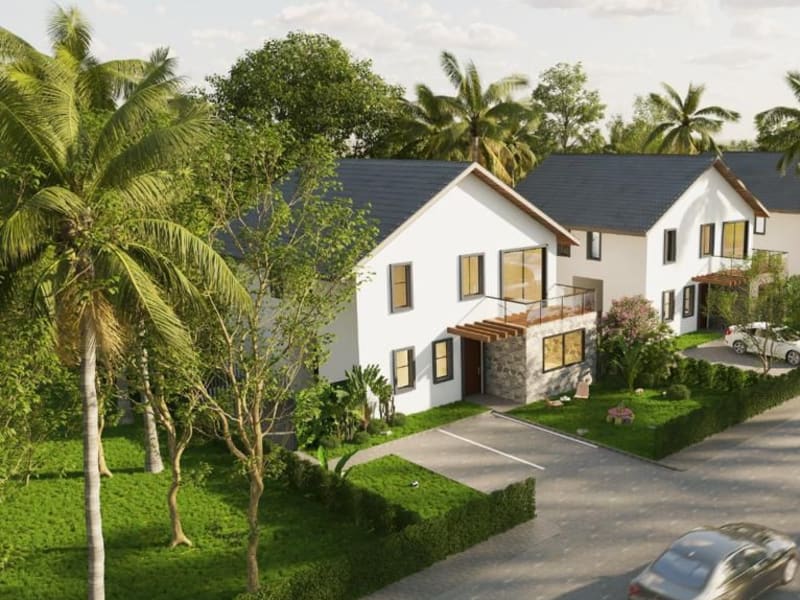
Ongata Rongai · Off Maasai Lodge Road, Ongata Rongai, Kajiado, Kenya
Shangrila Villas
Spacious 4-bedroom ensuite maisonettes set within a secure 20-acre enclave in Ongata Rongai.

Featured Neighbourhood
Kilimani
Nairobi's vibrant apartment district with exceptional rental demand and investment potential.
Featured Neighbourhood
Westlands
Nairobi’s premier commercial and luxury residential district with exceptional investment potential.
Featured Neighbourhood
Ongata Rongai
Affordable Family Living with Nairobi Convenience


