Real Estate Financing Options in Kenya: Mortgages, SACCOs, Cash Plans, and Structured Debt
The comprehensive 2026 guide to financing property in Kenya. Compare commercial bank mortgages, KMRC 9.5% loans, SACCO asset financing, and developer cash instalment plans.

Funding Your Real Estate Ambition
Identifying the perfect apartment or family home in Nairobi is only half the journey. The critical question that defines your purchasing power and long-term financial health is: How will you pay for it?
Kenya'''s real estate financing landscape has evolved dramatically. While commercial bank mortgages were once the sole institutional option, today'''s buyers can leverage subsidized single-digit home loans, cooperative SACCO credit, developer instalment plans, and pension equity schemes. Choosing the right financing structure can save you millions of shillings in lifetime interest.
The Financing Rule of Thumb
Never choose a financing method based purely on who offers the highest loan amount. Compare total lifetime cost of capital, monthly cash flow flexibility, and contractual prepayment penalties.
The Four Primary Financing Pathways in Kenya
| Financing Method | Typical Interest Rate | Maximum Repayment Tenure | Down Payment Required | Primary Advantage |
|---|---|---|---|---|
| 1. KMRC Single-Digit Mortgage | 9.5% - 10.5% Fixed | 20 - 25 Years | 10% - 20% | Lowest monthly repayment; massive interest savings |
| 2. Commercial Bank Mortgage | 15.0% - 18.0% Variable | 15 - 20 Years | 10% - 20% | Higher loan ceilings for luxury properties (KSh 15M+) |
| 3. Deposit-Taking SACCO Loan | 12.0% - 14.0% Reducing | 5 - 10 Years | Based on 3x savings multiplier | Lower closing fees; no predatory hidden charges |
| 4. Developer Off-Plan Plan | 0% (Interest-Free) | 18 - 28 Months | 20% - 30% | Zero interest burden; flexible construction milestones |
1. KMRC Subsidized Single-Digit Mortgages
The game-changer in Kenyan property finance is the Kenya Mortgage Refinance Company (KMRC):
By refinancing primary mortgage lenders with long-term concessional capital, KMRC enables commercial banks (KCB, Stanbic, Absa, NCBA, Co-op Bank) and SACCOs (Stima, Harambee, Police) to offer residential mortgages at 9.5% fixed interest.
Key parameters:
- Maximum property purchase price: KSh 10.5 million in Nairobi Metropolitan Area.
- Repayment periods up to 25 years.
- Saves borrowers between KSh 25,000 and KSh 35,000 monthly compared to commercial rates.
2. Commercial Bank Mortgages (Market Rate)
For properties priced above the KSh 10.5M KMRC ceiling (such as executive 3-bedroom residences in Westlands or Kileleshwa), buyers turn to standard commercial mortgages:
- Interest rates are variable, floating between 15% and 18% based on the Central Bank Rate (CBR).
- Offers higher borrowing limits for high-net-worth buyers.
- Requires careful cash flow buffering to withstand potential interest rate hikes.
Financing Cost Metrics
3. SACCO Asset and Development Financing
Savings and Credit Cooperatives (SACCOs) form the backbone of Kenyan middle-class asset creation:
- Members borrow up to 3 to 4 times their accumulated deposit savings.
- Interest rates average 12% to 14% on reducing balance, remaining significantly cheaper than commercial bank loans.
- SACCOs feature flexible underwriting and lower appraisal fees, though repayment tenures are shorter (typically 5 to 10 years).
4. Developer Off-Plan Cash Instalment Plans
For buyers with strong monthly cash flow or milestone savings (such as diaspora earners and business owners), developer instalment plans offer the cleanest structure:
- Zero Interest: You pay only the agreed contract price across construction milestones over 18 to 24 months.
- No Mortgage Legal Charges: Avoids bank arrangement fees, valuation charges, and mortgage registration taxes.
- Requires disciplined liquidity management to meet scheduled milestone calls.
Leverage RBA Pension Provisions
Under Retirement Benefits Authority (RBA) regulations, Kenyans can withdraw up to 40% of their accumulated pension savings (up to KSh 7 million) to fund a primary home purchase or settle mortgage down payments.
Key Takeaways
- 01.KMRC-backed mortgages cap interest at 9.5% for homes up to KSh 10.5M, slashing lifetime debt costs.
- 02.Developer instalment plans provide 0% interest financing spread across 18 to 24 months of construction.
- 03.SACCO asset loans offer competitive 12% to 14% rates and lower transaction fees than commercial banks.
- 04.You can access up to 40% of your accumulated pension benefits to finance a residential home purchase.
Structure Your Financing Strategy with Zuri
At Zuri Estates, we work alongside leading mortgage lenders, KMRC-participating banks, and SACCOs to help our clients secure competitive financing packages tailored to their income.
Browse our residential properties or contact our financing advisors to model your monthly mortgage payments.

Zuri Estates Team
Property Advisory & Client Coordination
The Zuri Estates Team provides independent property guidance, market intelligence, and acquisition support across Nairobi and the Kenyan Coast. Operating from our Kilimani offices, our desk coordinates developer audits, physical site inspections, and legal conveyancing for homebuyers and investors.

Antony Baragu
Real estate strategist
This article has been reviewed by Antony Baragu to ensure the accuracy, completeness, and validity of all market metrics, property details, and investment guidance.
Related Residences, Developments & Neighbourhoods

KILIMANI · RIARA ROAD, OPPOSITE THE JUNCTION MALL, KILIMANI, NAIROBI
1 Bedroom Residence at Golden Apple Residence Kilimani
Calibrated 1-Bedroom Urban Suite with Deep Balcony Directly Opposite The Junction Mall

KILIMANI · RIARA ROAD, OPPOSITE THE JUNCTION MALL, KILIMANI, NAIROBI
1 Bedroom plus Study Executive Residence at Golden Apple Residence Kilimani
Generous 85 SQM Executive Suite with Dedicated Home Office Alcove Opposite The Junction Mall

Lavington · Quiet Gated Court, Lavington, Nairobi, Kenya
Lavington Luxury Villas
Distinguished 5-bedroom luxury villas spanning 6,000 sq ft with private pools and landscaped gardens.
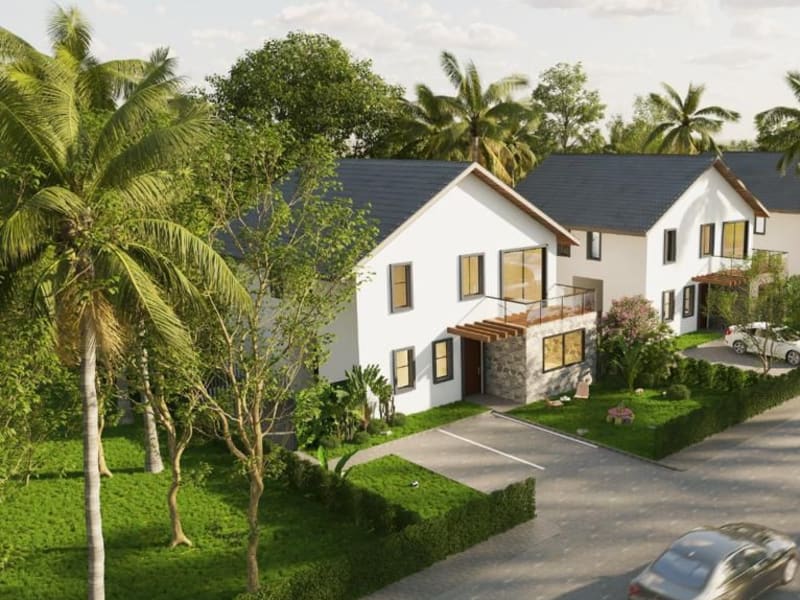
Ongata Rongai · Off Maasai Lodge Road, Ongata Rongai, Kajiado, Kenya
Shangrila Villas
Spacious 4-bedroom ensuite maisonettes set within a secure 20-acre enclave in Ongata Rongai.

Featured Neighbourhood
Kilimani
Nairobi's vibrant apartment district with exceptional rental demand and investment potential.
Featured Neighbourhood
Westlands
Nairobi’s premier commercial and luxury residential district with exceptional investment potential.
Featured Neighbourhood
Kileleshwa
A peaceful, upscale neighbourhood offering elegant apartment living close to Nairobi’s key business districts.


