What Is a Good Rental Yield in Kenya? How to Calculate Real Returns
Property brochures frequently tout double-digit returns, but real net yields tell a different story. Here is the exact mathematical framework for calculating gross versus net rental yields in Kenya after taxes, service charges, and vacancy periods.
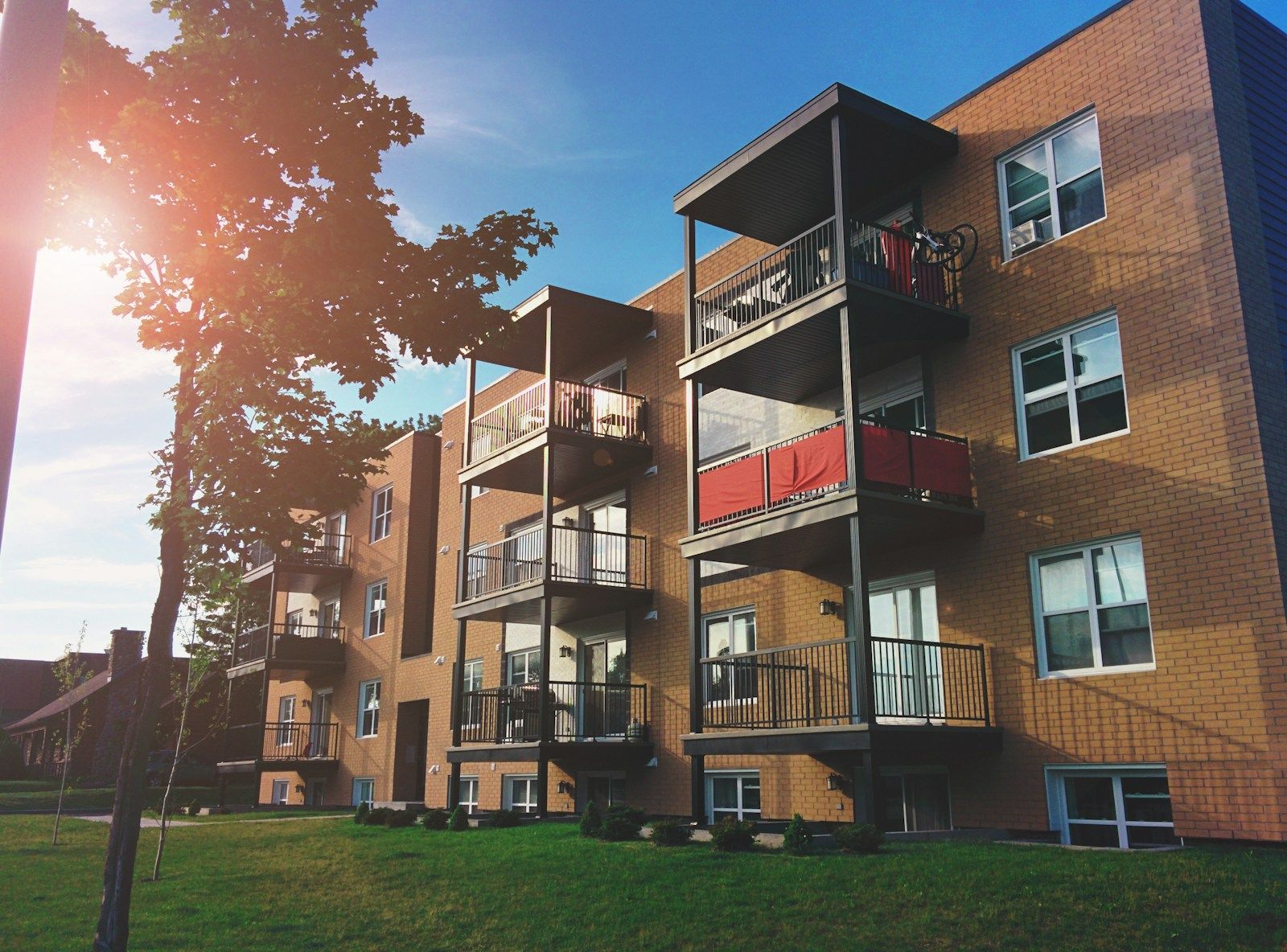
Walk along any major artery in Nairobi, from Argwings Kodhek Road in Kilimani to Rhapta Road in Westlands, and you will see developer billboards promising extraordinary financial outcomes: 'Guaranteed 14% ROI', 'High Yield Investment Suites', or 'Turnkey Rental Wealth'. In a global financial environment where bank savings rates struggle to outpace inflation, double-digit property yields sound compelling.
However, seasoned real estate investors know that promotional marketing numbers frequently conflate gross turnover with net distributable profit. Understanding the exact mechanics of rental yield calculation is the single most valuable analytical skill a property buyer can develop in the Kenyan market.
Gross Rental Yield vs Net Rental Yield: The Fundamental Math
There are two primary ways to measure the income performance of an investment property:
1. Gross Rental Yield Formula
Gross yield measures the annual headline income against the initial purchase cost without accounting for operational expenses:
Gross Yield (%) = (Annual Headline Rent / Total Acquisition Cost) * 100
If you purchase a modern one-bedroom apartment in Kileleshwa for 8,500,000 Kenyan shillings, pay 500,000 shillings in transaction fees (stamp duty, legal conveyancing, valuation), and let it at 65,000 shillings per month:
- Annual Headline Rent: 65,000 * 12 = 780,000 shillings.
- Total Acquisition Cost: 8,500,000 + 500,000 = 9,000,000 shillings.
- Gross Rental Yield: (780,000 / 9,000,000) * 100 = 8.67%.
2. Net Rental Yield Formula
Net yield is the true measure of your financial return. It deducts all holding costs, statutory taxes, operational fees, and vacancy allowances:
Net Yield (%) = ((Annual Headline Rent - Annual Operating Expenses) / Total Acquisition Cost) * 100
Worked Financial Model: Kilimani 2-Bedroom Investment
To illustrate the real gap between brochure projections and real cash returns, examine this typical 13,000,000 Kenyan shilling apartment in Kilimani let at 90,000 shillings per month:
| Financial Line Item | Annual Amount (KES) | Calculation Basis / Explanation |
|---|---|---|
| Gross Contractual Rent | 1,080,000 | 90,000 KES/month * 12 months |
| Vacancy Allowance (8.3%) | -90,000 | Equivalent to 1 month vacant between tenants |
| Effective Gross Income | 990,000 | Actual cash collected from tenant |
| KRA MRI Tax (7.5% Gross) | -81,000 | 7.5% statutory tax on gross rent collected |
| Management Fees (10% + VAT) | -114,840 | Professional property manager collection fee |
| Service Charge (Landlord Portion) | -48,000 | 4,000 KES/month sinking fund / unrecovered fee |
| Routine Repairs & Maintenance | -45,000 | Annual maintenance reserve allowance |
| Land Rates & Building Insurance | -25,000 | Statutory county rates & fire/structural insurance |
| Net Annual Operating Income | 677,160 | Distributable cash flow to investor |
Notice the stark difference: the property began with a seemingly attractive 8.31 percent gross yield on the purchase price, but the actual net yield in the investor bank account is 5.02 percent of the 13.5 million shilling total capital outlay. A 5 percent net cash return in hard currency or stable assets can still represent an excellent investment, provided the buyer models it honestly from day one.
Comparative Rental Yields Across Nairobi Neighborhoods
Empirical data collected across Nairobi residential sub-markets demonstrates consistent yield variations based on tenant demographics, supply density, and capital values:
| Neighborhood | Primary Property Type | Average Gross Yield | Average Real Net Yield |
|---|---|---|---|
| Kilimani / Kileleshwa | 1 & 2 Bedroom Apartments | 7.5% to 9.0% | 5.8% to 7.0% |
| Westlands / Parklands | Executive Suites & 1-Beds | 8.0% to 9.5% | 6.2% to 7.4% |
| Lavington | 3 & 4 Bedroom Townhouses | 5.5% to 6.8% | 4.2% to 5.2% |
| Karen | Standalone 4 & 5 Bed Villas | 4.8% to 6.0% | 3.5% to 4.5% |
| Ruaka / Kiambu Road | 1 & 2 Bedroom Apartments | 7.0% to 8.5% | 5.4% to 6.6% |
Notice that higher capital value nodes like Karen and Lavington produce lower percentage rental yields. In high-value detached homes, investors rely primarily on long-term land value appreciation rather than high cashflow yields.
Five Rules for Protecting Your Rental Yield
To ensure your real estate portfolio delivers strong, dependable net returns over time:
1. Prioritize High-Demand Unit Types: Studios and one-bedroom units consistently maintain higher occupancy rates and yield percentages than luxury three-bedroom penthouses.
2. Audit Service Charge Efficiency: Review the development operational budget. Over-engineered communal amenities that are expensive to maintain can drain cash flow.
3. Screen Tenants with Financial Discipline: Two months of unpaid rent combined with eviction costs can wipe out two full years of net rental gains.
Key Takeaways
- 01.Gross yield on promotional brochures hides operational realities; always calculate net yield after all holding costs.
- 02.Real net residential yields in established Nairobi nodes like Kilimani and Westlands range from 6.0 percent to 8.0 percent.
- 03.Always budget for a realistic vacancy rate of at least 8.3 percent (equivalent to one vacant month per calendar year).
- 04.Studios and 1-bedroom apartments consistently outperform larger 3-bedroom units on percentage cashflow yield.
- 05.Deduct KRA Monthly Rental Income (MRI) tax at 7.5 percent gross and professional management fees (8 percent to 10 percent) in all financial models.
4. Maintain an Escrow Reserve: Reinvest 5 percent of gross rental income continuously into physical asset maintenance to sustain competitive rental pricing.
5. Review Rental Rates Biannually: Implement structured lease escalation clauses (typically 5 to 10 percent every 24 months) to ensure cash flows keep pace with domestic inflation.

Zuri Estates Team
Property Advisory & Client Coordination
The Zuri Estates Team provides independent property guidance, market intelligence, and acquisition support across Nairobi and the Kenyan Coast. Operating from our Kilimani offices, our desk coordinates developer audits, physical site inspections, and legal conveyancing for homebuyers and investors.

Antony Baragu
Real estate strategist
This article has been reviewed by Antony Baragu to ensure the accuracy, completeness, and validity of all market metrics, property details, and investment guidance.
Related Residences, Developments & Neighbourhoods

KILIMANI · MENELIK ROAD, OFF NGONG ROAD, KILIMANI, NAIROBI
Emerald Residences
Modern urban living with strong investment potential in Kilimani

WESTLANDS · NAIROBI
Oak West 2 Bedroom Apartment
Contemporary 2-bedroom living in the heart of Westlands.

Westlands · Vihiga Road, Kilimani, Nairobi
Luster Arbor Residency
Modern apartments designed for elegant city living and exceptional long-term investment.

Westlands · Muthithi Road, Westlands, Nairobi, Kenya
Montbleu Residences Westlands
Elevated Living. Timeless Design. Prime Westlands Address.

Featured Neighbourhood
Kilimani
Nairobi's vibrant apartment district with exceptional rental demand and investment potential.
Featured Neighbourhood
Kileleshwa
A peaceful, upscale neighbourhood offering elegant apartment living close to Nairobi’s key business districts.
Featured Neighbourhood
Westlands
Nairobi’s premier commercial and luxury residential district with exceptional investment potential.


