Top 10 Mistakes First-Time Homebuyers in Kenya Should Avoid
Avoid costly property pitfalls in Kenya. Learn the 10 biggest mistakes first-time homebuyers make, from ignoring closing costs and skipping site visits to emotional purchasing and improper title due diligence.

Navigating Your First Property Acquisition
Buying your first home in Kenya is an exhilarating milestone. It represents personal independence, family security, and a cornerstone of long-term wealth creation. However, the excitement of homeownership can easily cloud judgment, leading buyers into costly traps that take years to resolve.
By understanding the most common pitfalls before you begin viewing properties, you can approach the market with discernment, protect your savings, and secure an asset that delivers lasting comfort and value.
First-Time Buyer Wisdom
A property transaction is a legal and financial contract, not an emotional shopping trip. Base your decisions on verified data, official registry searches, and independent professional advice.
The Top 10 Mistakes to Avoid
1. Underestimating Closing Costs and Ancillary Fees
Many first-time buyers commit all their available liquidity to the property purchase price or deposit, forgetting that closing costs in Kenya add 7% to 9% to the total bill. On an KSh 8 million apartment, you need an additional KSh 550,000 to KSh 700,000 to settle 4% Stamp Duty, legal fees, valuation charges, and utility connection deposits.
2. Using the Developer'''s Lawyer to Save Money
Some developers offer to 'cover legal fees' if you use their in-house lawyer. This is a severe conflict of interest. The developer's advocate cannot impartially advise you to reject unfair contract clauses, demand escrow protections, or enforce penalty clauses against their own client. Always hire your own independent advocate.
3. Buying Based Solely on 3D Renders and Marketing Videos
Renders are designed to sell an idealized lifestyle. They don't reveal structural quality, natural daylight limitations, road access conditions, or surrounding neighborhood nuisances. Never commit money without walking the site at different times of day.
4. Ignoring the Sectional Properties Act 2020
Under Kenyan law, legacy sub-leases and share certificate ownership structures are being phased out. Ensure the development is structured under the Sectional Properties Act 2020 so you receive an absolute Sectional Title Deed registered at the Lands Registry.
| Common Pitfall | Financial or Legal Impact | Preventative Strategy |
|---|---|---|
| Skipping Closing Cost Budget | Emergency borrowing at high rates | Reserve 8% above purchase price in liquid cash |
| Sharing Seller Advocate | Zero consumer protection in contract | Engage an independent conveyancing lawyer |
| Failing to Verify Water/Power | High monthly tanker water costs | Test borehole yield and verify generator capacity |
| Maxing Out Loan Capacity | Severe financial stress on rate hikes | Keep mortgage payments under 33% of net income |
| Ignoring Sinking Funds | Surprise capital calls for repairs | Review management accounts and reserve funds |
5. Over-Borrowing at Your Maximum Loan Ceiling
Commercial banks assess your borrowing capacity based on gross formulas. Maxing out your loan ceiling leaves you vulnerable to interest rate hikes, inflation, and unexpected medical or family expenses. Keep your total housing costs within a third of your net income.
6. Overlooking the Long-Term Service Charge Reality
Developers frequently advertise artificially low service charges during marketing to attract buyers. Once the building is operational, costs for 24/7 security, lift maintenance, pool chemicals, and generator fuel can cause monthly fees to spike significantly. Request an itemized service charge breakdown before buying.
7. Buying in the Wrong Location for Your Actual Lifestyle
A cheaper apartment 25 kilometres outside the city may look attractive on paper, but a 3-hour daily commute in Nairobi traffic extracts a massive physical, emotional, and financial toll. Factor fuel, car wear, and lost family time into your location math.
Key Buyer Safeguards
8. Skipping the Joint Snagging Inspection
Never accept keys without conducting a comprehensive snagging inspection with the developer's engineer. Test every tap, power socket, window hinge, and drainage channel. Ensure all defects are documented in writing before signing the handover acceptance form.
9. Neglecting Future Resale and Rental Liquidity
Even if you intend to live in the home for years, life circumstances change. Always ask: 'If I need to relocate, will this unit rent easily to qualified tenants? Will other buyers want to purchase it?' Units with poor layouts, no parking, or dark interior rooms are notoriously difficult to exit.
10. Rushing Due Diligence Out of FOMO (Fear Of Missing Out)
High-pressure sales tactics like 'this is the last unit available at this price' often push first-time buyers to bypass official title searches and hasty contract signings. Take a deep breath: legitimate developers always provide reasonable inspection windows for professional due diligence.
Key Takeaways
- 01.Always budget an extra 7% to 9% above the purchase price for mandatory statutory and legal closing fees.
- 02.Engage your own independent conveyancing advocate to safeguard contract terms and escrow funds.
- 03.Inspect the physical site in person and test water pressure, electrical capacity, and ambient noise.
- 04.Ensure your apartment receives an individual Sectional Title Deed under the Sectional Properties Act 2020.
Start Your Property Journey with Confidence
At Zuri Estates, we believe informed buyers make the happiest homeowners. We provide objective guidance, verified property listings, and complete transparency from initial consultation to key handover.
Explore our curated residential apartments or speak with a Zuri Estates property advisor today.

Zuri Estates Team
Property Advisory & Client Coordination
The Zuri Estates Team provides independent property guidance, market intelligence, and acquisition support across Nairobi and the Kenyan Coast. Operating from our Kilimani offices, our desk coordinates developer audits, physical site inspections, and legal conveyancing for homebuyers and investors.

Antony Baragu
Real estate strategist
This article has been reviewed by Antony Baragu to ensure the accuracy, completeness, and validity of all market metrics, property details, and investment guidance.
Related Residences, Developments & Neighbourhoods

KILIMANI · RIARA ROAD, OPPOSITE THE JUNCTION MALL, KILIMANI, NAIROBI
1 Bedroom Residence at Golden Apple Residence Kilimani
Calibrated 1-Bedroom Urban Suite with Deep Balcony Directly Opposite The Junction Mall

KILIMANI · RIARA ROAD, OPPOSITE THE JUNCTION MALL, KILIMANI, NAIROBI
1 Bedroom plus Study Executive Residence at Golden Apple Residence Kilimani
Generous 85 SQM Executive Suite with Dedicated Home Office Alcove Opposite The Junction Mall

Lavington · Quiet Gated Court, Lavington, Nairobi, Kenya
Lavington Luxury Villas
Distinguished 5-bedroom luxury villas spanning 6,000 sq ft with private pools and landscaped gardens.
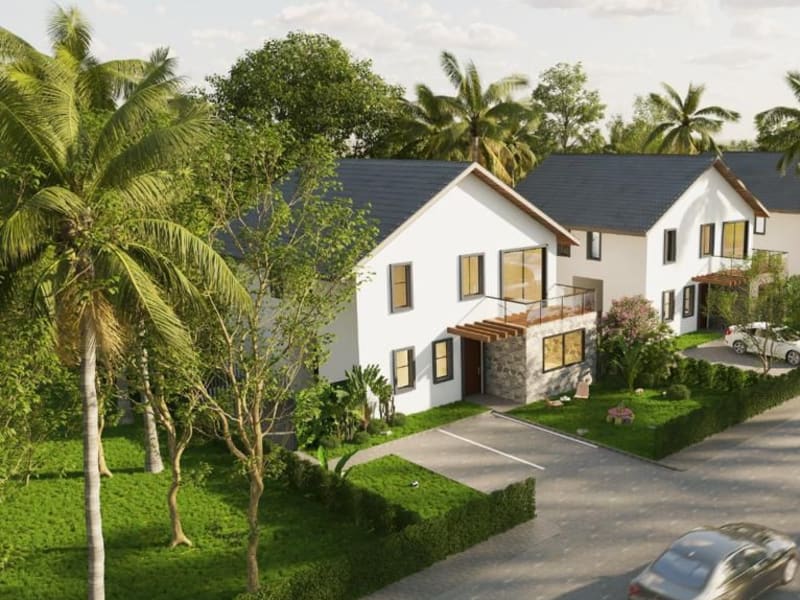
Ongata Rongai · Off Maasai Lodge Road, Ongata Rongai, Kajiado, Kenya
Shangrila Villas
Spacious 4-bedroom ensuite maisonettes set within a secure 20-acre enclave in Ongata Rongai.

Featured Neighbourhood
Kilimani
Nairobi's vibrant apartment district with exceptional rental demand and investment potential.
Featured Neighbourhood
Kileleshwa
A peaceful, upscale neighbourhood offering elegant apartment living close to Nairobi’s key business districts.
Featured Neighbourhood
Westlands
Nairobi’s premier commercial and luxury residential district with exceptional investment potential.


