Where to Buy Property in Nairobi: The Definitive Neighbourhood Comparison Guide
From diplomatic green belts like Runda and Kitisuru to urban powerhouses like Westlands and Kilimani, Nairobi residential enclaves offer vastly different living environments. Here is how to compare neighbourhoods across budget, zoning, schools, and lifestyle.

Nairobi is a city of extraordinary contrasts. Within a radius of just fifteen kilometres, you can move from the serene, canopy-shaded diplomatic lanes of Runda to the glittering, high-energy high-rises of Westlands; from the historic country-estate gardens of Karen to the vibrant, urban pulse of Kilimani.
For home buyers, relocating executives, and diaspora investors, choosing where to buy property in Nairobi is not simply about comparing price per square metre. It is an intricate equation balancing lifestyle rhythm, zoning density, daily commute friction, school proximity, and long-term capital preservation.
This definitive guide provides an objective, data-grounded comparison of Nairobi primary residential enclaves, breaking down their distinct architectural archetypes, investment profiles, and daily living realities.
Key Takeaways
- 01.Nairobi residential landscape is divided into four primary archetypes: Diplomatic Green Belts, Urban Commercial Cores, Leafy Suburban Sanctuaries, and Outer Commuter Satellites.
- 02.Westlands and Kilimani lead the metropolitan market in corporate tenant absorption, rental liquidity, and high-yield serviced apartment demand.
- 03.Kileleshwa and Lavington represent the premier middle-ground for families seeking modern multi-room apartment convenience near elite private academies.
- 04.Karen and Runda preserve low-density single-family estate privacy backed by strict diplomatic security and mature greenery.
- 05.Always evaluate zoning density: a neighbourhood character can evolve rapidly if high-rise approvals alter traffic, light, and utility pressure.
1. The Four Residential Archetypes of Nairobi
To evaluate Nairobi neighbourhoods logically, you must categorize them by their underlying urban archetype:
Residential Archetype
A classification of urban enclaves sharing similar zoning plot ratios, environmental density, transport connectivity, and primary resident demographics.
1. The Diplomatic and Prime Estate Green Belt ([Runda](/locations/runda), [Muthaiga](/locations/muthaiga), [Kitisuru](/locations/kitisuru), [Karen](/locations/karen)): Characterized by single-family detached homes set on half-acre to five-acre mature gardens. Controlled zoning, private homeowner association security gates, and proximity to embassies or international schools. Land values exceed KES 80 Million to KES 250 Million per acre.
2. The Urban Commercial Core ([Westlands](/locations/westlands), [Kilimani](/locations/kilimani), [Parklands](/locations/parklands)): Dynamic, high-density vertical apartment living integrated with multinational corporate towers, lifestyle shopping malls, hospitals, and fine dining. Optimal for buy-to-let investors, short-stay operators, and executives desiring walkable convenience.
3. The Leafy Suburban Transition ([Kileleshwa](/locations/kileleshwa), [Lavington](/locations/lavington), Spring Valley): Balanced residential enclaves featuring boutique modern apartment towers and private townhouses. Characterized by quieter residential side streets, mature tree canopies, and direct access to premier international schools.
4. The Commuter Satellite Ring (Ruaka, Kiambu Road, Ngong, Athi River): High-density suburban outposts catering predominantly to local middle-income commuter families seeking affordable entry pricing along arterial bypass corridors.
2. The Comprehensive Neighbourhood Comparison Matrix
The following data matrix compares Nairobi leading prime and upper-middle residential enclaves across critical decision criteria:
| Neighbourhood | Primary Property Types | Entry 2-Bed Price Range | Gross Rental Yield | Predominant Resident Profile | Top Area Schools / Amenities |
|---|---|---|---|---|---|
| Westlands | Luxury high-rise apartments, executive penthouses | KES 14M - KES 24M | 8.0% - 10.5% | Multinational expats, corporate executives, tech founders | Sarit Centre, Westgate, The Oval, MP Shah Hospital |
| Kilimani | Modern high-rise apartments, mixed-use studios | KES 10.5M - KES 16M | 7.5% - 9.5% | Young professionals, diaspora investors, short-stay visitors | Yaya Centre, Adlife Plaza, Nairobi Hospital, Cavina School |
| Kileleshwa | Contemporary residential apartments, duplexes | KES 11M - KES 17M | 7.0% - 8.5% | Established local families, hybrid professionals, diplomats | Kenya High, Kenton College, Arboretum, Kasuku Centre |
| Lavington | Spacious family apartments, luxury townhouses | KES 13M - KES 22M (Apts) | 6.5% - 8.0% | Upper-middle families, long-term expatriates, executives | Braeburn, St. Austin, Nairobi Int. School, Lavington Mall |
| Runda | Exclusive standalone villas, ambassadorial residences | KES 80M+ (Houses) | 5.5% - 7.0% | Ambassadors, UN diplomatic directors, executive families | UNON complex, Village Market, Rosslyn Academy, ISK |
| Karen | Gated luxury villas, country homesteads, townhouses | KES 65M+ (Houses) | 5.5% - 7.2% | Old-guard residents, expatriate directors, entrepreneurs | Hub Karen, Waterfront, Banda School, Karen Country Club |
3. Deep-Dive Enclave Breakdown
Westlands: The Corporate Powerhouse and International Hub
Positioned directly at the terminus of the Nairobi Expressway, Westlands is East Africa primary commercial gateway. The skyline is punctuated by Grade-A office spires like the Global Trade Centre (GTC), leading international hotel flags, and upscale residential towers like Hephé Palace.
Living in Westlands means immediate access to Nairobi finest culinary dining along Ring Road, luxury retail at Sarit and Westgate, and swift transit to JKIA. For investors, Westlands commands premium rental occupancy from international consultants, diplomatic attachés, and corporate travellers.
Kilimani: The Vibrant Urban Core
Kilimani is Nairobi most dynamic, high-liquidity apartment market. Centered around Argwings Kodhek, Lenana, and Chania Avenues, Kilimani offers extraordinary convenience, placing residents within walking distance of Yaya Centre, major banking headquarters, international medical facilities (Nairobi Hospital, Coptic Hospital), and hundreds of cafes and restaurants.
Developments like Golden Apple Residence along Riara Road and Ivy Park Residence on Kirichwa Road cater to urban professionals and savvy buy-to-let investors seeking high tenant turnover and strong rental yields.
Kileleshwa: The Leafy Residential Sanctuary
Directly bordering Kilimani to the north across the Kirichwa Kubwa river valley, Kileleshwa offers a distinctly calmer residential environment. It lacks the bustling commercial intensity and late-night lounges of Kilimani, preserving quiet tree-lined avenues like Mandera Road, Vihiga Road, and Githunguri Road.
Projects like Lesonia Residency appeal strongly to local families and expatriates seeking modern 2 and 3-bedroom living with quick arterial access to both Westlands and the CBD via the Ring Road bypass.
Lavington: The Family Education Hub
Lavington has long stood as Nairobi quintessential upper-middle suburb. Renowned for spacious grounds and prestigious international schools (Braeburn, Rusinga, St. Austin Academy, Nairobi International School), Lavington appeals to parents who refuse to subject their children to long school bus commutes.
While traditionally comprised of standalone bungalows, Lavington has embraced low-density, high-specification apartment developments and secure gated townhouse courts that preserve suburban calm.
4. Decision Framework: Matching Your Goals to the Right Location
Before committing your capital, clarify your primary objective using this four-question diagnostic:
1. What is your primary use case? If purchasing a permanent family home with school-age children, prioritize Lavington, Kileleshwa, or Karen. If targeting passive buy-to-let rental returns or short-stay income, focus strictly on Westlands or Kilimani.
2. What daily commute can you tolerate? If your work is anchored in Westlands or Gigiri, living south of the city in Karen or Langata introduces daily commute friction. Choose Westlands, Kileleshwa, or Lower Kabete.
3. What is your risk tolerance regarding density? If you value permanent low-density serenity and private gardens, single-family enclaves like Runda or Karen offer protected covenants. If you appreciate vibrant walkability and vertical resort amenities, Kilimani or Westlands is your natural environment.
4. What is your investment liquidity horizon? Apartment units in Kilimani and Westlands enjoy the deepest resale liquidity in Nairobi, allowing you to exit or refinance faster than high-value multi-million shilling villas in exclusive gated suburbs.
Discover Your Ideal Nairobi Residence with Zuri Estates
At Zuri Estates, we believe that choosing a neighbourhood is about choosing your lifestyle. Our advisory specialists live and work in these neighbourhoods, providing authentic on-the-ground intelligence that no automated algorithm can replicate.
Explore our verified portfolio of residential developments across Westlands, Kilimani, Kileleshwa, and Lavington, or contact Zuri Estates today to arrange a bespoke neighbourhood and property tour.

Zuri Estates Team
Property Advisory & Client Coordination
The Zuri Estates Team provides independent property guidance, market intelligence, and acquisition support across Nairobi and the Kenyan Coast. Operating from our Kilimani offices, our desk coordinates developer audits, physical site inspections, and legal conveyancing for homebuyers and investors.

Antony Baragu
Real estate strategist
This article has been reviewed by Antony Baragu to ensure the accuracy, completeness, and validity of all market metrics, property details, and investment guidance.
Related Residences, Developments & Neighbourhoods

KILIMANI · RIARA ROAD, OPPOSITE THE JUNCTION MALL, KILIMANI, NAIROBI
1 Bedroom Residence at Golden Apple Residence Kilimani
Calibrated 1-Bedroom Urban Suite with Deep Balcony Directly Opposite The Junction Mall

KILIMANI · RIARA ROAD, OPPOSITE THE JUNCTION MALL, KILIMANI, NAIROBI
1 Bedroom plus Study Executive Residence at Golden Apple Residence Kilimani
Generous 85 SQM Executive Suite with Dedicated Home Office Alcove Opposite The Junction Mall

Westlands · Ring Road, Opposite The Oval, Westlands, Nairobi
Hephé Palace
Nairobi's Dual-Horizon Crown: Where 25 Storeys of Architectural Mastery Meet Karura Forest Serenity

Kilimani · Riara Road, Opposite The Junction Mall, Kilimani, Nairobi
Golden Apple Residence
Kilimani's Urban Benchmark: Twin-Tower Sophistication Directly Opposite The Junction Mall
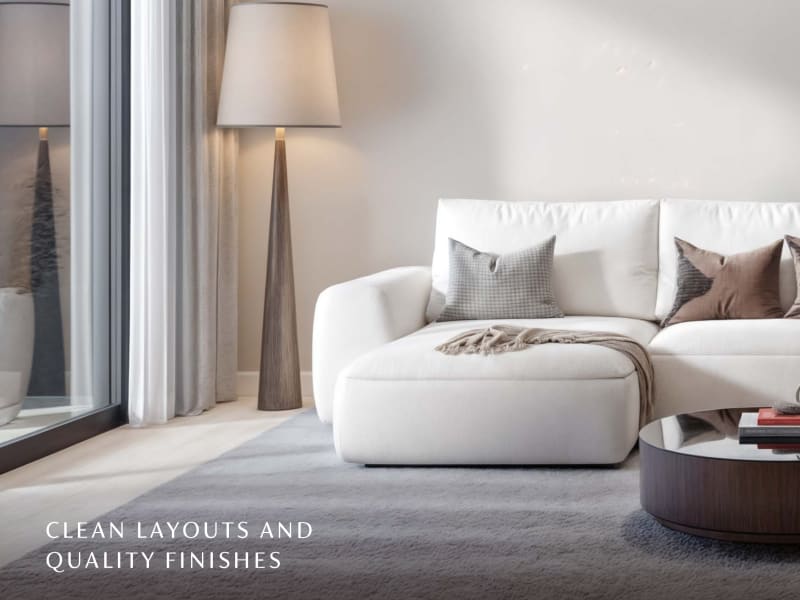
Kilimani · Kirichwa Road, Kilimani, Nairobi, Kenya
Ivy Park Residence
Elevated Living, Exceptional Investment in Kilimani
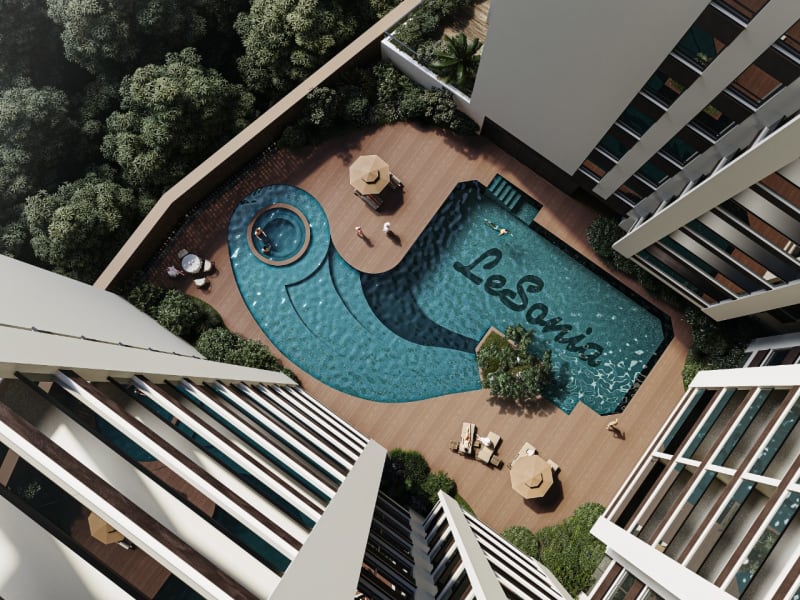
Kileleshwa · Intersection of Gatundu Road & Tinderet Avenue, Kileleshwa, Nairobi
Lesonia Residency
Contemporary Balcony-Garden Living in Prime Kileleshwa
Featured Neighbourhood
Westlands
Nairobi’s premier commercial and luxury residential district with exceptional investment potential.

Featured Neighbourhood
Kilimani
Nairobi's vibrant apartment district with exceptional rental demand and investment potential.
Featured Neighbourhood
Kileleshwa
A peaceful, upscale neighbourhood offering elegant apartment living close to Nairobi’s key business districts.
Featured Neighbourhood
Lavington
One of Nairobi’s most prestigious residential neighbourhoods, known for luxury homes, green surroundings and family living.
Featured Neighbourhood
Runda
Prestigious Embassy Living in a Secure Garden Suburb
Featured Neighbourhood
Karen
Nairobi’s premier luxury suburb, offering spacious homes, green landscapes and exceptional family living.


