Why Do Apartments on Higher Floors Cost More in Nairobi? Floor Premiums, Light, and Real Value
Understand why Nairobi apartment prices rise with each floor level. Explore floor premiums, natural light, street noise falloff, lift reliance, and resale demand.
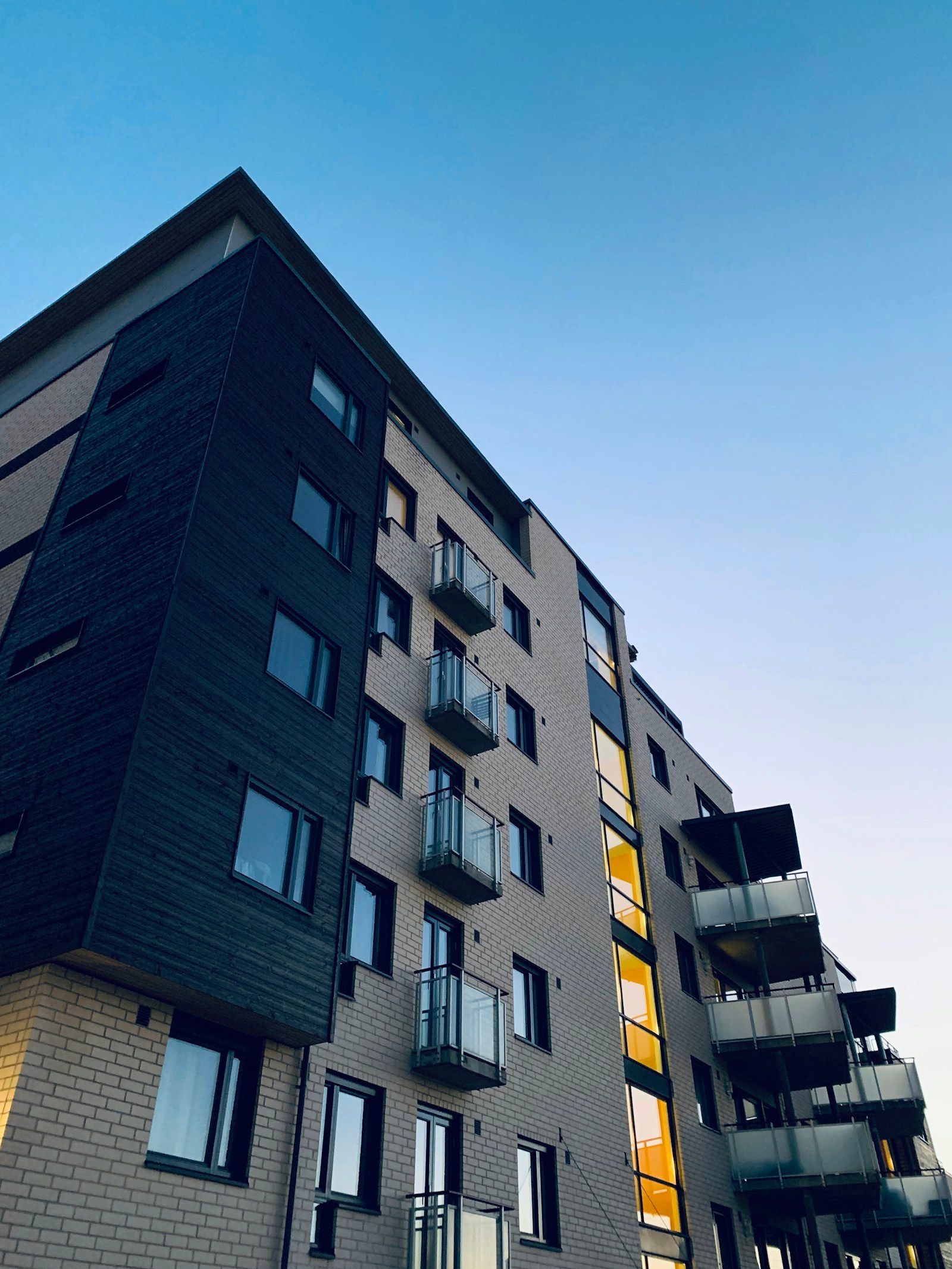
When you inspect a price list for a new multi-storey apartment tower in Nairobi, you quickly notice a curious pattern. Two apartments share the exact same floor plan. They have the identical square meterage, the same two bedrooms, the identical kitchen layout, and matching finishes. Yet the unit on the twelfth floor costs KSh 800,000 more than the unit on the third floor.
This incremental price increase is known as a floor premium. In Nairobi's rapidly rising residential skyline, floor premiums have become standard practice. But what are you actually buying when you pay that extra capital, and does the premium make financial and lifestyle sense?
Understanding the dynamics of high-rise living in Nairobi allows you to decide whether climbing higher is an essential lifestyle upgrade or an unnecessary expenditure for your specific situation.
The Mechanics of Floor Premiums in Nairobi
Developers in Nairobi typically set a base price for units on lower residential floors (usually floors 1 through 3). From the fourth floor upward, each subsequent floor carries an incremental addition:
- Mid-Market Developments (Kilimani, Kileleshwa, Parklands): KSh 50,000 to KSh 100,000 per floor level.
- Prime / Luxury Towers (Westlands, Riverside, Upper Hill): KSh 150,000 to KSh 300,000 per floor level.
- Threshold Jumps: When a building surpasses the height of adjacent developments (often around floors 8 to 10), unlocking unobstructed horizon views toward the Ngong Hills or Karura Forest, developers frequently introduce a steeper one-time price step.
| Floor Tier | Typical Premium Range | Key Advantages | Operational Realities |
|---|---|---|---|
| Ground to Floor 2 | Base Price (0 premium) | No lift dependency, garden access | Street noise, security bars, lower light |
| Floors 3 to 7 | KSh 150k - KSh 400k above base | Balanced access, manageable stairs | Partial views, moderate urban noise |
| Floors 8 to 14 | KSh 500k - KSh 1.2M above base | Expansive light, reduced dust, privacy | Total lift reliance, wind exposure |
| Floor 15+ / Penthouses | KSh 1.5M - KSh 5M+ above base | Panoramas, status, minimal street noise | Evacuation logistics, roof solar heat |
What You Gain: Light, Airflow, and Acoustic Peace
There are tangible reasons why buyers willingly pay premiums for upper floors in Nairobi:
1. Daylight and Sunlight Penetration
Because Nairobi is situated close to the equator, natural daylight is abundant. However, in dense urban nodes like Kilimani and Westlands, multi-storey developments are frequently built in close proximity. Lower floors often sit in the permanent shadow of adjacent towers. On higher floors, sunlight floods into living rooms and bedrooms, eliminating the need to keep electric lights turned on during the day and reducing interior dampness.
2. Reduced Road Dust and Exhaust Emissions
Nairobi's red soil dust and vehicular exhaust emissions along busy thoroughfares (such as Argwings Kodhek, Ring Road Kilimani, and Waiyaki Way) settle heavily on lower residential levels. Higher floors experience significantly cleaner air and cleaner balcony surfaces, requiring less daily cleaning.
3. Acoustic Attenuation from Street Traffic
Urban noise falloff is noticeable as you ascend. Traffic hum, matatu hooting, and street-level commercial activities diminish in volume with altitude. While high-rise living is not silent, the ambient noise becomes a diffused white hum rather than the sharp, disruptive sound of individual vehicles accelerating past your window.
Check the Surrounding Plot Potential
Before paying a KSh 700,000 floor premium for an 8th-floor view, check the status of the plots immediately in front of your balcony. If the neighbouring property is an old single-storey bungalow, a 16-storey tower could easily be approved there within two years, permanently erasing the view you paid extra to secure.
The Trade-Offs: The Vulnerabilities of High-Rise Living
Climbing higher is not without compromise. Experienced buyers evaluate the operational challenges before committing:
Lift Dependency and Maintenance
In a 14-storey building, your daily life is inextricably linked to the reliability of vertical transport. If a building has two elevators and one goes out of service for scheduled maintenance, morning departure times become frustrating bottlenecks. If a power outage occurs and the automatic generator transfer switch experiences a delay, walking up ten flights of stairs carrying groceries is exhausting.
When buying above the sixth floor, always verify that the development provides at least two high-speed elevators per block and a full-load standby generator that powers lifts automatically during outages.
Water Pressure and Booster Pumps
In high-rise structures, water is typically pumped from ground or basement reservoirs up to rooftop header tanks, or pressurized via variable-speed booster pumps. If booster pumps lose calibration, apartments directly beneath the roof can suffer from inadequate shower pressure compared to lower floors where gravity provides natural water head.
Vertical Living Factors
Investment Implications: Rental Demand and Resale Liquidity
From an investment standpoint, upper-floor units generally deliver superior liquidity. Corporate tenants, expatriate diplomats, and short-stay Airbnb travelers consistently select higher floors on online booking platforms. They will pay an extra KSh 10,000 to KSh 20,000 per month for a bright flat with a balcony view over the city.
However, you must weigh whether the initial capital outlay matches the additional rental return. If a 10th-floor apartment costs KSh 800,000 more than an identical 3rd-floor unit, and generates an additional KSh 8,000 in monthly rent, the incremental cash-on-cash return is 12% on that specific premium capital. In strong rental nodes, the numbers often justify the choice.
Key Takeaways
- 01.Floor premiums in Nairobi typically range from KSh 50,000 to KSh 150,000 per floor level.
- 02.Higher floors offer genuine advantages in daylight, reduced street dust, and acoustic privacy.
- 03.Always confirm lift redundancy: developments with 10+ storeys require at least two elevators per core.
- 04.Service charges remain identical regardless of floor level, meaning maintenance overhead does not increase with altitude.
How to Decide Which Floor Is Right for You
The ideal floor level depends on who will inhabit the apartment:
- Young Professionals & Short-Stay Investors: Floors 7 to 14 offer the best combination of light, views, tenant desirability, and rental premiums.
- Families with Young Children: Floors 3 to 6 provide a sensible balance. You enjoy decent light and security while retaining the ability to use the stairs comfortably when lifts are occupied.
- Retirees or Mobility-Conscious Owners: Floors 1 to 3 eliminate lift anxiety entirely and provide swift emergency evacuation access.
When viewing developments like Montbleu Residences or Luster Arbor Residency, our advisors at Zuri Estates can show you units on multiple floor tiers so you can assess the light, noise, and view differentials in person. Contact our team to arrange a floor-by-floor inspection.

Zuri Estates Team
Property Advisory & Client Coordination
The Zuri Estates Team provides independent property guidance, market intelligence, and acquisition support across Nairobi and the Kenyan Coast. Operating from our Kilimani offices, our desk coordinates developer audits, physical site inspections, and legal conveyancing for homebuyers and investors.

Antony Baragu
Real estate strategist
This article has been reviewed by Antony Baragu to ensure the accuracy, completeness, and validity of all market metrics, property details, and investment guidance.
Related Residences, Developments & Neighbourhoods

KILIMANI · RIARA ROAD, OPPOSITE THE JUNCTION MALL, KILIMANI, NAIROBI
1 Bedroom Residence at Golden Apple Residence Kilimani
Calibrated 1-Bedroom Urban Suite with Deep Balcony Directly Opposite The Junction Mall

KILIMANI · RIARA ROAD, OPPOSITE THE JUNCTION MALL, KILIMANI, NAIROBI
1 Bedroom plus Study Executive Residence at Golden Apple Residence Kilimani
Generous 85 SQM Executive Suite with Dedicated Home Office Alcove Opposite The Junction Mall

Westlands · Muthithi Road, Westlands, Nairobi, Kenya
Montbleu Residences Westlands
Elevated Living. Timeless Design. Prime Westlands Address.

Westlands · Vihiga Road, Kilimani, Nairobi
Luster Arbor Residency
Modern apartments designed for elegant city living and exceptional long-term investment.
Featured Neighbourhood
Westlands
Nairobi’s premier commercial and luxury residential district with exceptional investment potential.

Featured Neighbourhood
Kilimani
Nairobi's vibrant apartment district with exceptional rental demand and investment potential.


