Why Nairobi's Apartment Market Attracts Long-Term Capital: The Structural Forces Behind Urban Demand
Why institutional funds and diaspora investors allocate capital to Nairobi residential real estate. Analyze urbanization demographics, currency hedging, and East Africa's economic hub.

The Resilient Magnet for Global and Local Capital
Across Africa'''s major metropolitan centres, few real estate markets match the enduring dynamism, liquidity, and structural depth of Nairobi. Despite macroeconomic shifts, global interest rate cycles, and domestic fiscal adjustments, residential capital deployment in Kenya'''s capital city has demonstrated remarkable resilience.
From institutional private equity funds and diaspora professionals in North America and Europe to local high-net-worth families, capital continues to pour into Nairobi sectional apartments. To understand this phenomenon, one must look beyond short-term market cycles to the profound structural forces driving urban real estate in Kenya.
The Diversified Economic Moat
Unlike resource-dependent economies that boom and bust with oil or mineral prices, Kenya'''s economy is anchored by agriculture, technology, financial services, logistics, and tourism, insulating urban property from single-commodity shocks.
1. The Irresistible Demographic Dividend
At the heart of Nairobi'''s housing absorption is an extraordinary demographic trajectory:
- Rapid Urbanization: Nairobi'''s population expands by 4.4% annually, adding an estimated 150,000 to 200,000 new urban residents each year.
- Youthful Workforce: Over 70% of Kenya'''s population is under 35 years of age. As these young citizens graduate, enter professional careers, and form independent households, their first housing choice is a modern 1 or 2-bedroom rental apartment.
- The Housing Supply Deficit: Against an annual national urban demand of over 200,000 units, formal developers deliver fewer than 50,000 units annually, ensuring sustained demand for quality sectional developments.
2. East Africa's Corporate and Diplomatic Headquarters
Nairobi is not merely Kenya'''s capital; it is the economic hub of an East African Community (EAC) market of over 300 million people:
- It hosts the United Nations Office at Nairobi (UNON) in Gigiri, one of only four major UN global headquarters worldwide, generating thousands of diplomatic and consultant residencies.
- Multinational giants, including Google, Microsoft, Coca-Cola, Pfizer, and Cisco, base their Sub-Saharan African leadership in Nairobi.
This concentration creates a permanent, well-compensated corporate tenant base willing to pay premium rental rates for secure, well-serviced apartments in nodes like Westlands and Kilimani.
Key Structural Drivers
3. Superior Rental Yields Relative to Global Cities
On a purely yield-driven basis, Nairobi apartments significantly outperform mature real estate markets:
| Global City | Average Gross Rental Yield | Capital Entry Barrier | Underlying Population Growth |
|---|---|---|---|
| Nairobi (Prime Urban) | 8.5% - 10.0% | KSh 6.5M - KSh 14M ($50k - $110k) | High (4.4% annual urban growth) |
| London (Central) | 3.5% - 4.5% | GBP 600,000+ ($750k+) | Low (0.8% annual growth) |
| New York (Manhattan) | 3.0% - 4.2% | USD 900,000+ | Stagnant (0.2% annual growth) |
| Dubai (Urban Residential) | 6.0% - 7.5% | AED 1,200,000+ ($325k+) | Moderate (High supply pipeline) |
| Johannesburg | 7.0% - 8.5% | ZAR 1,200,000+ ($65k+) | Moderate (Infrastructure headwinds) |
4. Real Estate as an Inflation and Currency Hedge
In an era of global currency volatility, tangible physical real estate in prime Nairobi nodes serves as a dependable store of value:
Property values in established locations like Westlands, Kileleshwa, and Lavington have historically kept pace with or exceeded domestic inflation rates. Furthermore, landlords catering to expatriate and diplomatic tenants can structure leases in USD or adjust local rents annually to match prevailing inflation.
5. Infrastructure Catalysts Accelerating Value
The government'''s sustained investment in transformative infrastructure has expanded the boundaries of prime real estate:
- The Nairobi Expressway links Jomo Kenyatta International Airport (JKIA) directly to Westlands in under 15 minutes, eliminating historic commuter gridlock.
- Modernized ring roads and bypasses have opened up attractive satellite commuter townships like Ongata Rongai, Ruaka, and Kikuyu, where modern sectional developments deliver strong cash flows.
Key Takeaways
- 01.Nairobi combines a young urbanizing population with a structural annual housing deficit exceeding 200,000 units.
- 02.Its status as the regional UN and corporate headquarters sustains a captive, well-funded expatriate tenant pool.
- 03.Rental yields of 8.5% to 10% consistently outshine mature Western and regional real estate markets.
- 04.Physical sectional property serves as an effective inflation-hedged store of long-term capital.
Build Your Long-Term Property Portfolio with Zuri
At Zuri Estates, we help private investors, diaspora citizens, and institutions identify resilient, high-yield residential properties that capitalize on Nairobi'''s multi-decade structural growth.
Explore our vetted property portfolio or contact our investment advisory specialists to structure your acquisition.

Zuri Estates Team
Property Advisory & Client Coordination
The Zuri Estates Team provides independent property guidance, market intelligence, and acquisition support across Nairobi and the Kenyan Coast. Operating from our Kilimani offices, our desk coordinates developer audits, physical site inspections, and legal conveyancing for homebuyers and investors.

Antony Baragu
Real estate strategist
This article has been reviewed by Antony Baragu to ensure the accuracy, completeness, and validity of all market metrics, property details, and investment guidance.
Related Residences, Developments & Neighbourhoods

KILIMANI · RIARA ROAD, OPPOSITE THE JUNCTION MALL, KILIMANI, NAIROBI
1 Bedroom Residence at Golden Apple Residence Kilimani
Calibrated 1-Bedroom Urban Suite with Deep Balcony Directly Opposite The Junction Mall

KILIMANI · RIARA ROAD, OPPOSITE THE JUNCTION MALL, KILIMANI, NAIROBI
1 Bedroom plus Study Executive Residence at Golden Apple Residence Kilimani
Generous 85 SQM Executive Suite with Dedicated Home Office Alcove Opposite The Junction Mall

Lavington · Quiet Gated Court, Lavington, Nairobi, Kenya
Lavington Luxury Villas
Distinguished 5-bedroom luxury villas spanning 6,000 sq ft with private pools and landscaped gardens.
Ongata Rongai · Off Maasai Lodge Road, Ongata Rongai, Kajiado, Kenya
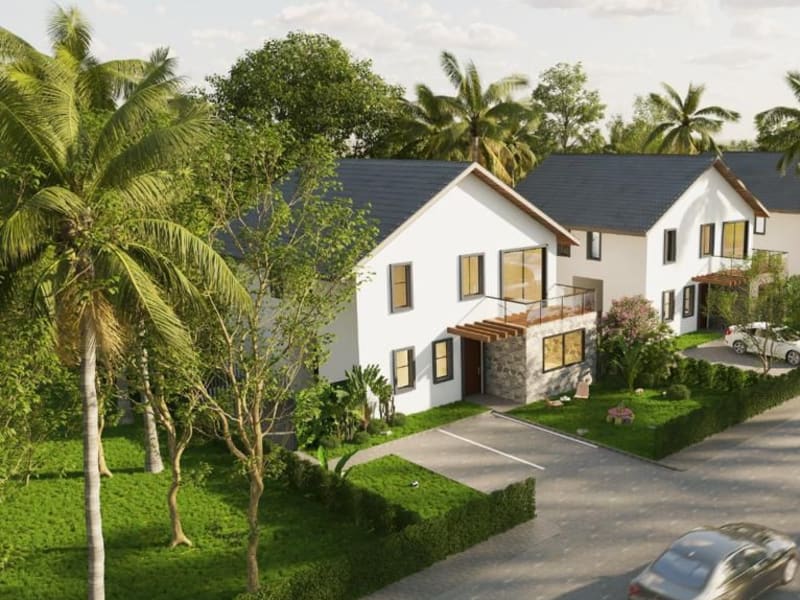
Shangrila Villas
Spacious 4-bedroom ensuite maisonettes set within a secure 20-acre enclave in Ongata Rongai.
Featured Neighbourhood
Westlands
Nairobi’s premier commercial and luxury residential district with exceptional investment potential.

Featured Neighbourhood
Kilimani
Nairobi's vibrant apartment district with exceptional rental demand and investment potential.
Featured Neighbourhood
Kileleshwa
A peaceful, upscale neighbourhood offering elegant apartment living close to Nairobi’s key business districts.


