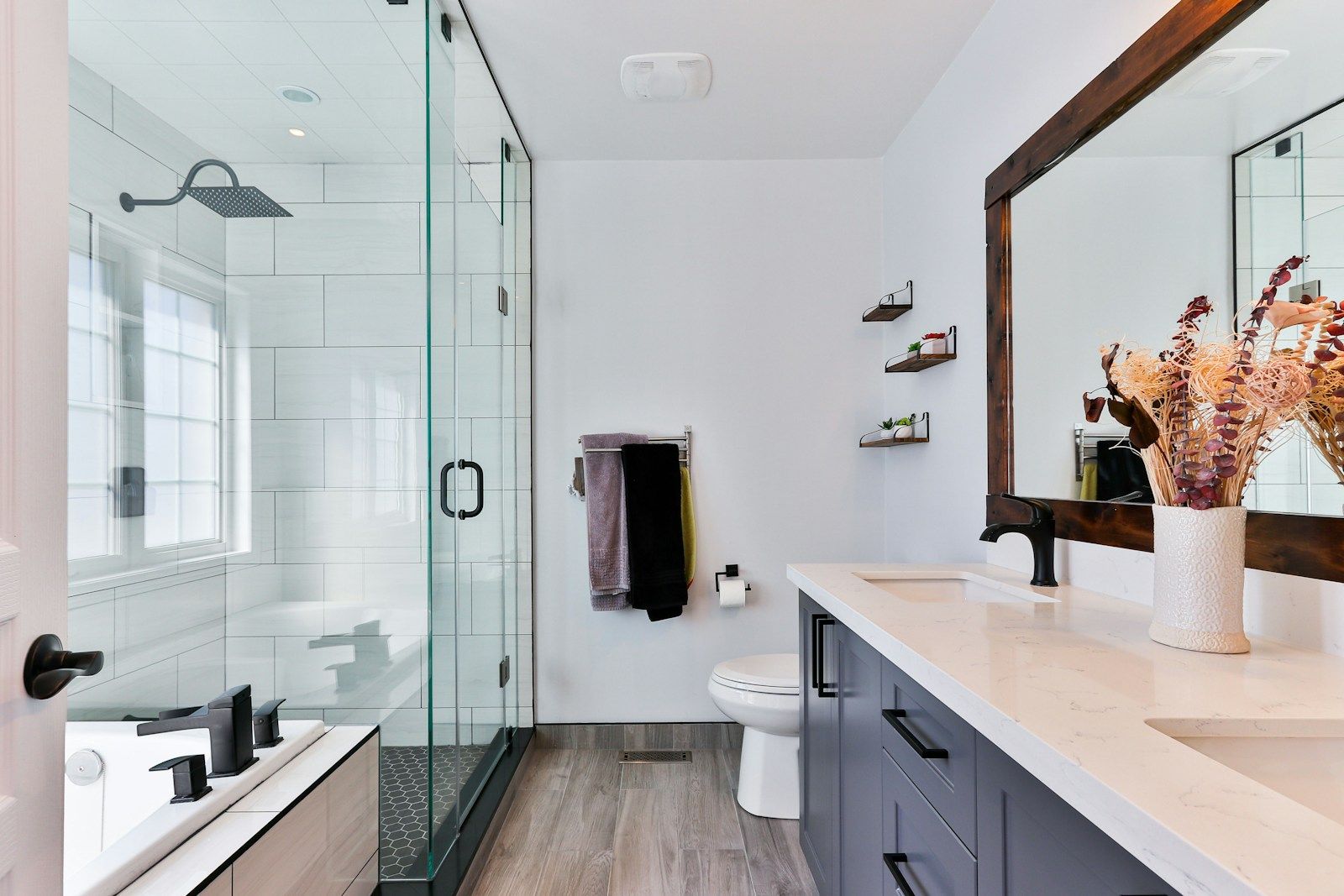
Why a Site Visit Is Important Before Buying Property in Kenya: A Practical Inspection Checklist
Why you should never buy property in Kenya without an on-the-ground inspection. Discover our 12-point site visit checklist covering structural quality, road access, drainage, noise, and neighborhood amenities.

Seeing Is Believing in Real Estate
In an era of hyper-realistic 3D architectural renders, wide-angle lenses, and cinematic drone videos, it has never been easier to fall in love with a property from the comfort of a smartphone screen. Marketing materials showcase immaculate interiors bathed in perpetual sunshine, perfectly manicured lawns, and serene neighborhood vistas.
Yet real estate is an inherently physical asset. A property does not exist in a digital vacuum; it sits within a living, breathing neighborhood ecosystem shaped by infrastructure, traffic, environmental elements, and community dynamics. Conducting a rigorous on-site visit is the single most effective way to protect your hard-earned capital.
The Renders vs Reality Gap
Renders rarely reveal that the tranquil green field next door has been rezoned for a 20-storey commercial tower, or that the charming access road turns into an impassable mud track during April rains.
The 12-Point Practical Site Visit Checklist
Carry this detailed checklist on your next site inspection:
1. Physical Access and Road Infrastructure
Inspect the road connecting the property to the nearest tarmac arterial. Is it paved with cabro or tarmac? Is it wide enough for two vehicles to pass comfortably? Check whether street lighting is functional and whether public matatu routes are within a safe walking radius.
2. Drainage and Flood Resilience
Examine the roadside drainage trenches. Are they concrete-lined, clear of debris, and graded for active stormwater runoff? Look at the building perimeter and basement walls for watermarks, peeling paint, or efflorescence (white mineral crusts), which signal chronic rising damp.
3. Structural Integrity and Finishes
In completed units, inspect door and window frames. Do they open and close smoothly without jamming? Look closely at corners and ceiling joints for diagonal cracks that indicate uneven foundation settlement. Tap bathroom tiles to check for hollow voids behind the ceramic surface.
4. Natural Light and Sun Path
Identify the orientation of the main living room and bedrooms. In Nairobi, north and south-facing windows receive balanced, indirect daylight throughout the day, while east-facing units catch morning sunlight. Confirm that neighboring buildings do not cast your home into perpetual shadow.
Key Inspection Parameters
5. Water Infrastructure and Pressure
Ask to see the on-site water storage installations. Does the property have both underground reserve tanks and elevated header tanks? Verify the presence of an active borehole, review the daily yield capacity, and test water clarity directly from the tap.
6. Power Redundancy and Substation Proximity
Locate the backup generator. Confirm whether it powers only common areas (lifts and corridors) or provides full power to individual apartments, including high-consumption appliances. Check that the generator is acoustically baffled and positioned away from bedroom windows.
7. Cellular Signal and Connectivity
Check your mobile phone signal inside every room, especially in interior corridors and lower-floor apartments. Thick reinforced concrete walls can severely degrade mobile network reception. Verify whether fiber optic internet providers (Safaricom, Zuku, Jamii Telecom) are already reticulated into the building.
8. Ambient Noise and Sensory Environment
Stand quietly on the balcony for 10 minutes. Listen for highway traffic roar, industrial machinery, nearby worship facilities with external loudspeakers, or school playgrounds. Take note of any localized odors from nearby waste dumps or open sewer lines.
Test the Morning Commute
If you plan to live in the property, drive from the site to your workplace or children's school at 7:15 AM on a Tuesday. The 15-minute Sunday afternoon drive may turn into an 80-minute morning gridlock.
Inspecting Off-Plan Developments
When visiting an active construction site for an off-plan development:
- Check the NCA Project Board at the entrance. It must display the project registration number, names of the registered architect, structural engineer, and main contractor.
- Observe the pace of activity. Are workers on site? Is concrete pouring active? Are raw materials (high-grade steel rebar, aggregate) stored properly under cover?
- Confirm with the resident engineer the current construction stage against the development milestone schedule promised in your contract.
Key Takeaways
- 01.Never purchase property based purely on brochures, photos, or digital renders.
- 02.Visit the property during both peak traffic hours and wet weather conditions to assess true infrastructure resilience.
- 03.Systematically test water pressure, electrical outlets, cell reception, and window/door alignments.
- 04.For off-plan projects, inspect the NCA compliance board, site safety, and physical construction pace.
Schedule an Accompanied Site Inspection with Zuri
At Zuri Estates, we encourage every client to experience prospective properties in person. Our property specialists accompany you on comprehensive site walkthroughs, providing objective insights on structural quality, enclave dynamics, and future neighborhood development.
Schedule a guided property visit with our team, or explore our featured residential developments across Nairobi.

Zuri Estates Team
Property Advisory & Client Coordination
The Zuri Estates Team provides independent property guidance, market intelligence, and acquisition support across Nairobi and the Kenyan Coast. Operating from our Kilimani offices, our desk coordinates developer audits, physical site inspections, and legal conveyancing for homebuyers and investors.

Antony Baragu
Real estate strategist
This article has been reviewed by Antony Baragu to ensure the accuracy, completeness, and validity of all market metrics, property details, and investment guidance.
Related Residences, Developments & Neighbourhoods

KILIMANI · RIARA ROAD, OPPOSITE THE JUNCTION MALL, KILIMANI, NAIROBI
1 Bedroom Residence at Golden Apple Residence Kilimani
Calibrated 1-Bedroom Urban Suite with Deep Balcony Directly Opposite The Junction Mall

KILIMANI · RIARA ROAD, OPPOSITE THE JUNCTION MALL, KILIMANI, NAIROBI
1 Bedroom plus Study Executive Residence at Golden Apple Residence Kilimani
Generous 85 SQM Executive Suite with Dedicated Home Office Alcove Opposite The Junction Mall

Kilimani · Menelik Road, Off Ngong Road, Kilimani
Emerald Residences
Premium apartments crafted for modern city living and long-term investment.

Westlands · Muthithi Road, Westlands, Nairobi, Kenya
Montbleu Residences Westlands
Elevated Living. Timeless Design. Prime Westlands Address.

Featured Neighbourhood
Kilimani
Nairobi's vibrant apartment district with exceptional rental demand and investment potential.
Featured Neighbourhood
Westlands
Nairobi’s premier commercial and luxury residential district with exceptional investment potential.