Buying Property in Kenya's Highlands: Title Checks, Land Use, Water and Due Diligence
The essential legal due diligence manual for highland property. Verifying title deeds, cadastral maps, Land Control Board consents, water permits, and riparian setbacks.
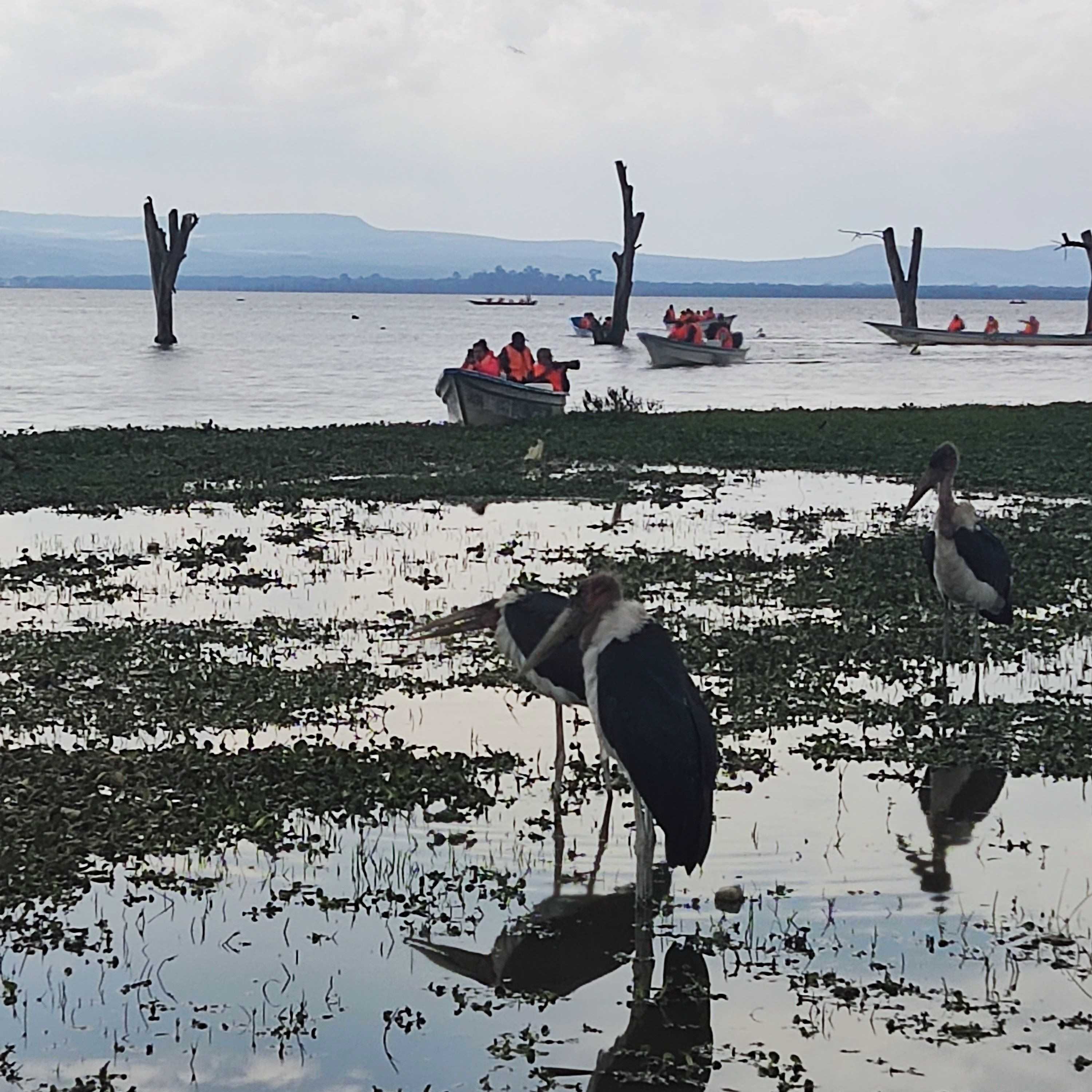
Purchasing land or a home in Kenya's Highlands is one of the most exciting property milestones a buyer can undertake. Whether you are acquiring a lakeside cottage in Naivasha, a cattle ranch in Nanyuki, or a lifestyle plot in The Highlands, the region offers incomparable natural beauty and enduring capital value.
Yet, the legal and environmental terrain of highland property requires rigorous, methodical investigation. Unlike suburban apartment blocks with uniform sectional titles, highland land involves freehold agricultural tenure, district registry folios, survey mutation sheets, water abstraction permits, and strict riparian environmental reserves.
In this master due diligence handbook, we outline the exact six-step verification protocol every buyer must follow before signing a contract or transferring funds, covering legal title verification, physical ground surveys, Land Control Board consents, water rights, and diaspora safeguards.
Step 1: Legal Ownership Verification & Official Title Search
The foundation of every safe real estate transaction is confirming that the person selling the property is legally entitled to do so. In Kenya, this requires an Official Search (Form LRA 35) issued directly by the Ministry of Lands:
1. Locate the Applicable Registry: Confirm whether the parcel is registered at the Nakuru Lands Registry (for Naivasha parcels) or the Nanyuki Lands Registry (for Laikipia parcels).
2. Inspect the Title Folio: The official search certificate reveals the full registered owner's name, ID number, acreage, and tenure (freehold vs leasehold).
3. Identify Registered Encumbrances: Check whether the land has an active bank charge (mortgage), court-ordered prohibitory order, or private caveat lodged by family members or third parties claiming an interest.
Never rely on a photocopy of a title deed provided by a seller or broker. Always require your independent conveyancing advocate to pull a certified search directly from the registry archives.
Highland Due Diligence Benchmarks
Step 2: Cadastral Survey & Ground Beacon Verification
Proving that a title deed exists in the registry is only half the battle; you must verify that the deed corresponds to the exact physical dirt you intend to buy. Boundary fraud and misplaced fences are common risks in rural subdivisions.
Hire an independent licensed land surveyor registered under the Surveyors Act Cap 299 to perform a ground beacon relocation:
- Obtain the official Registry Index Map (RJM) and Mutation Sheet from the Survey of Kenya.
- Locate and uncover the four physical corner boundary beacons on site.
- Confirm that the surveyed acreage matches the title deed exactly.
- Verify that the land does not encroach on gazetted public road reserves, railway wayleaves, or neighboring parcels.
- Confirm that the parcel possesses legally deeded public road access registered on the cadastral survey map.
The Unregistered Access Road Trap
Never purchase a landlocked parcel based on a seller's verbal promise that 'you can use the neighbor's dirt track.' If the access road is not officially surveyed and deeded on the mutation plan, the neighbor can legally block your gate at any time.
Step 3: Land Control Board (LCB) Consent for Agricultural Land
Most acreage and residential plots in the Highlands outside municipal boundaries are classified as freehold agricultural land. Under Section 6 of the Land Control Act Cap 302, any transaction involving agricultural land (sale, transfer, mortgage, or subdivision) is legally void unless consented to by the local Land Control Board.
Both parties must apply for and attend an LCB meeting in Naivasha or Nanyuki. Upon approval, the Board issues a formal Letter of Consent. By law, LCB consent must be applied for within six months of executing the sale agreement. Failing to secure consent within this statutory timeframe invalidates the contract.
Step 4: Water Security & Water Resources Authority (WRA) Permits
Water is the lifeblood of highland property. Unlike urban estates with continuous municipal mains, highland properties frequently rely on private water sources:
- Municipal Connections: Verify whether the parcel has an existing operational meter with NAIVAWASS (Naivasha) or NAWASCO (Nanyuki), and obtain a clearance certificate showing zero utility arrears.
- Borehole Drilling Due Diligence: If the parcel relies on an existing or planned borehole, verify that a valid abstraction permit has been issued by the Water Resources Authority (WRA). Commission a hydrogeological survey to confirm aquifer depth, sustainable yield, and fluoride/salinity levels.
- River & Stream Abstraction: If the property borders a river (such as the Burguret or Ewaso Nyiro), you cannot pump water without a formal surface water abstraction permit from the WRA. Unauthorized river pumping is an environmental offense subject to heavy penalties.
Lake & River Riparian Reserves
Under the Environmental Management and Co-ordination Act (EMCA) and WRA regulations, land adjacent to lakes and permanent rivers carries a mandatory riparian setback (typically 30 metres from river banks and up to 60 metres from the high-water mark of Lake Naivasha). No permanent structures may be built within this buffer. Ensure your surveyor marks the riparian boundary clearly on site.
Step 5: Master-Planned Communities & Off-Plan Safeguards
If you are purchasing a plot or home within a gated development or off-plan scheme, additional contractual checks are necessary:
1. County Approval: Verify that the master subdivision plan has received formal development approval from the County Government (Nakuru or Laikipia).
2. NEMA EIA License: Confirm that the overall estate holds a valid Environmental Impact Assessment (EIA) license from the National Environment Management Authority.
3. Estate Management Covenants: Review the scheme's restrictive covenants governing building designs, maximum heights, domestic animal rules, and monthly service charges to ensure they align with your lifestyle expectations.
Step 6: Diaspora Buyer Protection Protocols
Kenyans living abroad and international buyers face heightened vulnerability to transaction fraud when buying property remotely. To safeguard your investment:
- Retain an Independent Advocate: Never use the seller's lawyer or an agent-recommended lawyer. Retain an independent conveyancing advocate who reports exclusively to you.
- Avoid Family Proxies: Do not send purchase funds to relatives or informal intermediaries. All purchase funds must be wired directly to an advocate's designated client escrow account under Law Society of Kenya (LSK) stakeholder conditions.
- Mandate Independent Ground Photos: Commission an independent professional surveyor or trusted inspection service to take timestamped, GPS-tagged video of the exact beacons before funds are released from escrow.
Statutory Transaction Cost Breakdown
Key Takeaways
- 01.Always obtain a certified Official Search (Form LRA 35) from the physical Lands Registry within 14 days of signing.
- 02.Instruct an independent licensed surveyor to uncover corner beacons and cross-reference the cadastral mutation plan.
- 03.Securing Land Control Board (LCB) consent within 6 months is mandatory for all freehold agricultural land.
- 04.Verify water rights: check NAWASCO/NAIVAWASS connections or obtain WRA abstraction permits for boreholes and rivers.
- 05.Respect environmental setbacks: permanent buildings inside 30m river or 60m lake riparian buffers are illegal and subject to demolition.
- 06.Diaspora buyers must work through independent conveyancing advocates holding funds in formal stakeholder escrow accounts.
Conclusion: Due Diligence Is Your Greatest Asset
Property in Kenya's Highlands represents exceptional lifestyle enjoyment and wealth preservation. However, protecting your investment requires disciplined adherence to statutory conveyancing procedures and thorough on-site verification.
By insisting on clean titles, confirmed beacons, LCB consents, and water permits, you ensure that your country home or lifestyle acreage remains an enduring asset for generations to come across The Highlands.
To review verified title deeds, conduct accompanied site inspections, or receive independent property advisory, connect with the Zuri Estates Legal & Property Advisory Team.
Verified Sources & References
Official & Peer ReviewedMinistry of Lands and Physical Planning (Land Registration Act 2012)
“Conveyancing statutory procedures, official search certifications, registered caveats, and title deed transfer requirements.”
Water Act 2016 & Water Resources Authority (WRA) Regulations
“Statutory rules governing surface water abstraction, borehole drilling permits, hydrogeological testing, and riparian reserve buffers.”
National Environment Management Authority (NEMA) Environmental Impact Regulations
“Environmental Impact Assessment (EIA) requirements for agricultural subdivision, eco-lodge developments, and commercial residential projects.”
Law Society of Kenya (LSK) Conveyancing Code of Practice
“Mandatory ethical standards for conveyancing advocates, client escrow protection, and execution of transfer instruments.”

Antony Baragu
Real estate strategist
Antony specializes in strategic acquisitions across Nairobi's most established residential enclaves, including Kilimani, Kileleshwa, and Westlands. His analytical approach and detailed understanding of off-plan developments assist buyers and investors in evaluating property specifications, payment structures, and market timing.
Zuri Estates Team
Property Advisory & Client Coordination
This article has been reviewed by Zuri Estates Team to ensure the accuracy, completeness, and validity of all market metrics, property details, and investment guidance.
Related Residences, Developments & Neighbourhoods

NANYUKI · THE HIGHLANDS
The Gathering Family Villa at Rivera
Three-bedroom family villa featuring ground-floor guest ensuite, domestic staff quarters, and garden void.

NANYUKI · THE HIGHLANDS
The Gathering Premium Villa at Rivera
Extended three-bedroom villa with upstairs family lounge, staff quarters, and deep-set viewing balconies.

Nanyuki · Nanyuki River, off Nanyuki-Nyeri Highway, Nanyuki, Laikipia County, Kenya
Rivera Villas Nanyuki
An exclusive master-planned enclave of 54 contemporary riverfront villas along the Nanyuki River, featuring a wellness clubhouse, heated pool, deer park, and panoramic Mount Kenya views.

Kilimani · Kirichwa Road, off Argwings Kodhek Road, Kilimani, Nairobi, Kenya
Belmont Residency
A landmark 30-storey mixed-use vertical community on Kirichwa Road uniting hotel-grade residences, a 6,000 sqm retail mall, and panoramic rooftop leisure.