Living in Kenya's Highlands: A Property Buyer's Guide to Naivasha and Nanyuki
A definitive guide to living in Kenya's Highlands. Comparing climate, commutes, daily amenities, and country home options in Naivasha and Nanyuki.
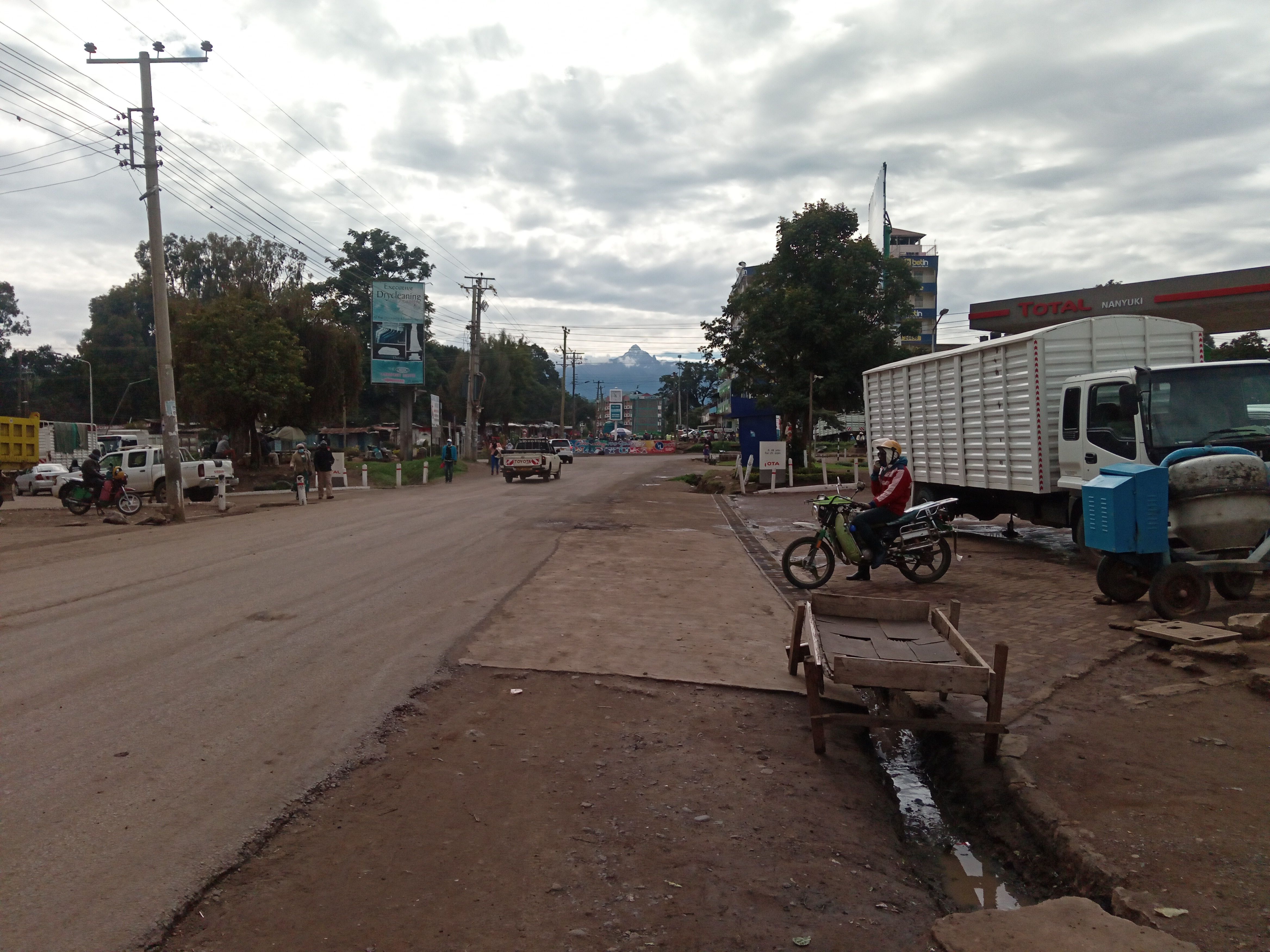
Across Kenya and the international diaspora, a profound lifestyle shift is taking place. Urban congestion, noise pollution, and escalating property density in Nairobi are prompting families, retirees, and remote professionals to reconsider what true quality of life looks like. Increasingly, that search leads to The Highlands.
Within Zuri Estates' geographical taxonomy, The Highlands describes the cool, temperate, elevated regions flanking the Great Rift Valley and the Mount Kenya plateau, anchored by two distinctive destinations: Naivasha and Nanyuki. While sharing an elevated climate, breathtaking natural scenery, and country living appeal, each town offers a distinctly different living experience.
In this comprehensive regional guide, we explore the reality of daily living in Kenya's Highlands: the climate benefits, commute logistics to Nairobi, access to international schools and healthcare, and how to select a country home that fits your life vision.
1. Understanding The Highlands: Geography & Climate
The Highlands are not a single administrative county, but an editorial region defined by elevation and lifestyle character. Both Naivasha and Nanyuki sit well over a mile above sea level, producing a temperate, spring-like climate that contrasts sharply with tropical coastal humidity or low-altitude heat:
Naivasha (Elevation: 1,884 Metres)
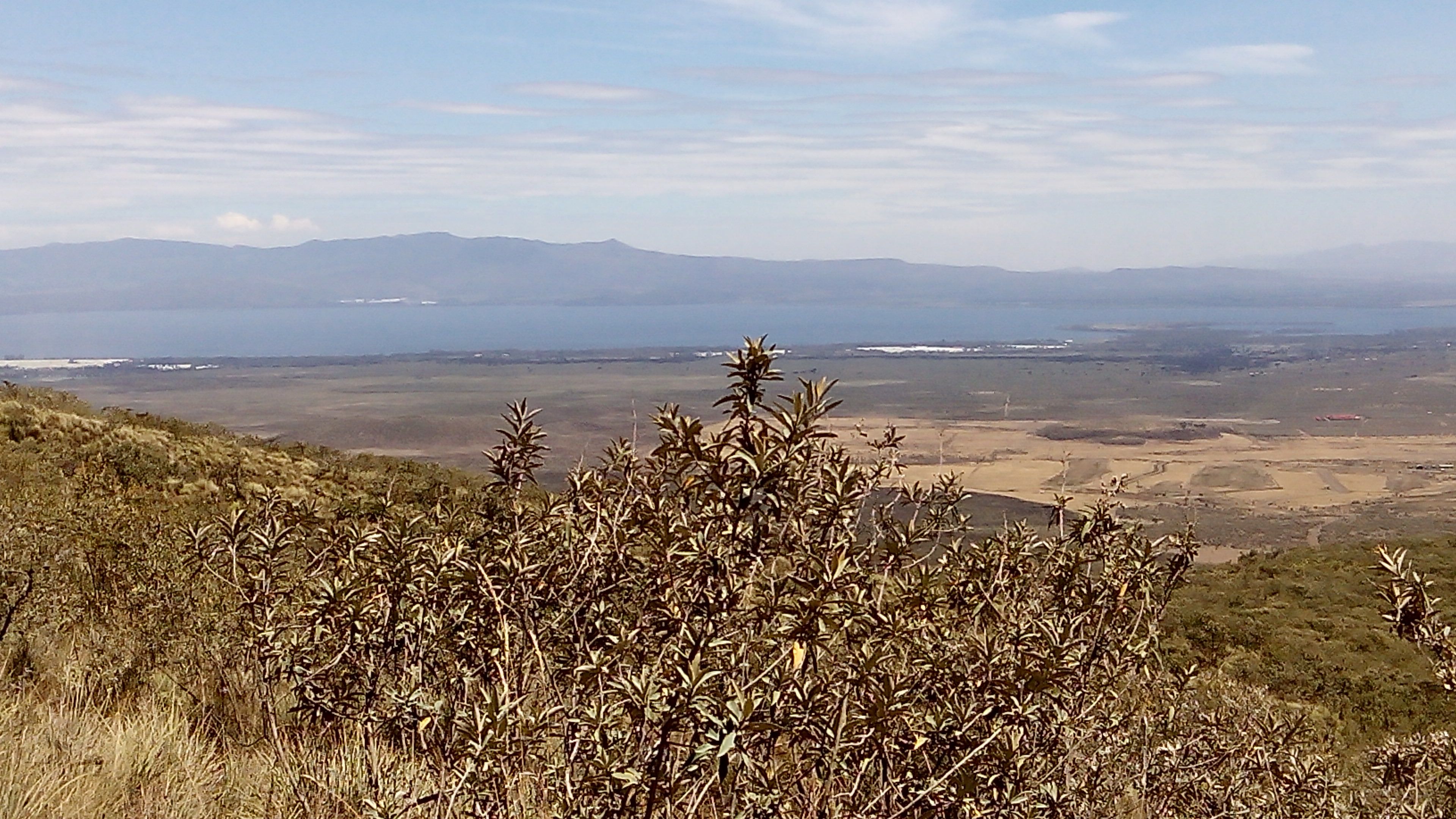
Located in the floor of the Great Rift Valley, Naivasha experiences daytime temperatures averaging 24C to 28C, cooling to a pleasant 12C to 15C at night. Rainfall is moderate, and humidity remains low. The surrounding acacia woodland, volcanic hills (such as Mount Longonot and Eburru), and freshwater lake create a relaxed, open-air lifestyle centered on water sports, cycling, and outdoor entertaining.
Nanyuki (Elevation: 1,950 Metres)
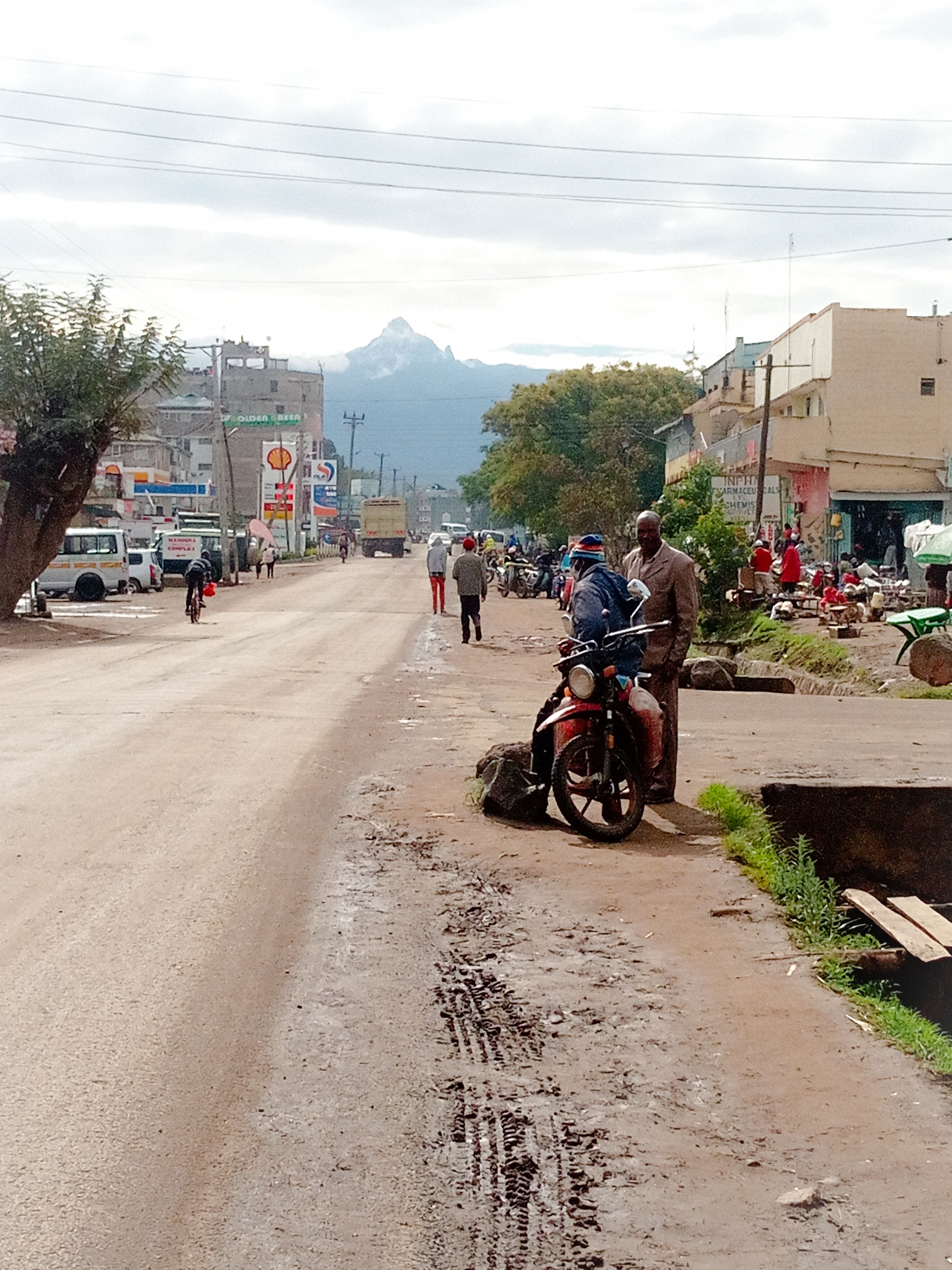
Straddling the Equator on the northwestern foot of Mount Kenya, Nanyuki features a crisp alpine climate. Daytime temperatures are mild (20C to 24C), but nights are noticeably brisk, frequently dipping below 10C. Evening life revolves around stone fireplaces, cedarwood verandahs, and panoramic views of snow-dusted peaks across expansive savannah plateau.
Highland Living Comparison Benchmarks
2. Commute Reality & Accessibility to Nairobi
For many prospective buyers, the decision between Naivasha and Nanyuki hinges on how frequently they need to be in Nairobi:
Naivasha: Feasible for Hybrid Commuting
Situated just 90 kilometres from Nairobi, Naivasha is close enough for frequent physical commutes. Corporate executives and business founders can comfortably live in Naivasha while working two or three days a week in Nairobi. Furthermore, the ongoing expansion of the Rironi-Mau Summit dual carriageway will soon reduce travel time to a predictable 75 to 90 minutes from Westlands, eliminating weekend bottleneck stress.
Nanyuki: The True Sanctuary & Remote Work Haven
At 200 kilometres from Nairobi, driving to Nanyuki takes approximately 3.5 to 4.5 hours along the dualed Thika Superhighway and Kenol-Marua A2 corridor. While feasible for monthly or bi-weekly city visits, it is too far for casual daily commuting. However, Nanyuki possesses a major logistical asset: Nanyuki Airstrip. Multiple scheduled commercial flights operate daily to Nairobi Wilson Airport with a flight time of just 35 minutes, making it remarkably convenient for executives and international travelers.
3. Essential Family Infrastructure: Schools, Healthcare & Retail
Moving to the countryside does not mean sacrificing modern family amenities. Both highland destinations offer well-developed social infrastructure:
Education Options
- Nanyuki: Home to Braeburn International School Nanyuki, a prestigious institution offering the British National Curriculum from early years through secondary school, making Nanyuki highly popular with expatriate and young professional families.
- Naivasha: Offers respected private academies, including Little Friends Academy and Naivasha Girls High School, alongside convenient access to premier international boarding schools in Gilgil (such as Pembroke House School, located just 25 minutes north).
Healthcare & Medical Facilities
- Naivasha: Supported by the Aga Khan University Hospital Medical Centre, Naivasha Sub-County Referral Hospital, and specialized clinics in town, providing 24-hour emergency care and outpatient diagnostics.
- Nanyuki: Anchored by the renowned Nanyuki Cottage Hospital, a well-equipped facility with modern surgical theaters, inpatient wards, and emergency response services, supplemented by modern private clinics at Cedar Mall.
Shopping, Dining & Recreation
- Naivasha: Buffalo Mall provides major supermarkets and banks, while dining enclaves along Moi South Lake Road (such as Enashipai, Fisherman's Camp, and Sanctuary Farm) offer vibrant weekend culture alongside golf at the Great Rift Valley Lodge.
- Nanyuki: Cedar Mall houses prime supermarkets, coffee houses, and specialty stores. The social fabric is anchored by the historic Nanyuki Sports Club (golf, tennis, squash), alongside iconic eateries like the Trout Tree Restaurant, Barney's at the Airstrip, and Soames Hotel.
Highland Quality of Life
Both destinations offer established social infrastructure, eliminating the isolation historically associated with rural property ownership in Kenya.
4. Community Fabric: Cosmopolitan, Diverse and Welcoming
One of the most appealing aspects of highland living is the community. Neither Naivasha nor Nanyuki feels like an insular rural village. Both towns support a cosmopolitan blend of multi-generational Kenyan families, agribusiness entrepreneurs, conservationists, tech professionals working remotely, and Kenyans returning from the diaspora.
In Naivasha, community life connects through equestrian polo, water conservation, golf tournaments, and floriculture business networks. In Nanyuki, the community shares a deep passion for wildlife preservation, mountain climbing, outdoor sports, and conservation initiatives surrounding Ol Pejeta and Lewa.
5. Choosing Your Highland Property Typology
When considering a home in The Highlands, buyers generally choose among three distinct property models:
1. Gated Master-Planned Communities: Half-acre to two-acre serviced plots within secure perimeter fences featuring shared clubhouse amenities, private roads, and professional security (e.g., Greenpark in Naivasha or planned residential enclaves along the Burguret corridor in Nanyuki).
2. Private Country Acreage: 5 to 20+ acre parcels in rural nodes like Eburru, Daiga, or Mukima, ideal for self-sustaining lifestyle ranches, equestrian stables, and off-grid living.
3. Holiday Cottages & Airbnb Investments: Compact, architecturally striking 2 to 3-bedroom country homes designed to generate short-term rental revenue when not in personal use.
Key Takeaways
- 01.The Highlands provide clean air, temperate climates, and expansive country living ninety minutes to four hours from Nairobi.
- 02.Naivasha is ideal for hybrid commuters and agribusiness leaders needing frequent access to Nairobi.
- 03.Nanyuki is suited for permanent relocation, remote professionals, and conservation enthusiasts, with 35-minute air transit to Wilson Airport.
- 04.Both towns possess modern private hospitals, international schooling options, and vibrant retail shopping centers.
- 05.Always verify water access, road maintenance, and boundary beacons before completing any property transaction.
Conclusion: The Highland Lifestyle Awaits
Living in Kenya's Highlands offers an exceptional balance: the peace and freedom of open country landscapes paired with the convenience of modern infrastructure. Whether you choose the lakeside energy of Naivasha or the alpine serenity of Nanyuki, investing in The Highlands is an investment in personal well-being and long-term family security.
To explore curated country homes, lifestyle plots, and verified acreage across The Highlands, connect with our advisory specialists at Zuri Estates Contact.
Verified Sources & References
Official & Peer ReviewedKenya National Bureau of Statistics (KNBS) Household & Population Census
“Data on internal migration patterns, demographic expansion in Rift Valley and Mount Kenya satellite towns, and rural-urban income shifts.”
Kenya Meteorological Department Climate & Elevation Atlas
“Comparative rainfall, temperature profiles, and altitude characteristics of the central Rift Valley basin and Laikipia high plateau.”
Ministry of Health Kenya Healthcare Facility Master Register
“Accreditation records for regional hospitals, emergency response trauma centers, and private healthcare clinics in Nakuru and Laikipia counties.”

Antony Baragu
Real estate strategist
Antony specializes in strategic acquisitions across Nairobi's most established residential enclaves, including Kilimani, Kileleshwa, and Westlands. His analytical approach and detailed understanding of off-plan developments assist buyers and investors in evaluating property specifications, payment structures, and market timing.
Zuri Estates Team
Property Advisory & Client Coordination
This article has been reviewed by Zuri Estates Team to ensure the accuracy, completeness, and validity of all market metrics, property details, and investment guidance.
Related Residences, Developments & Neighbourhoods

NANYUKI · THE HIGHLANDS
The Gathering Family Villa at Rivera
Three-bedroom family villa featuring ground-floor guest ensuite, domestic staff quarters, and garden void.
NANYUKI · THE HIGHLANDS
The Gathering Premium Villa at Rivera
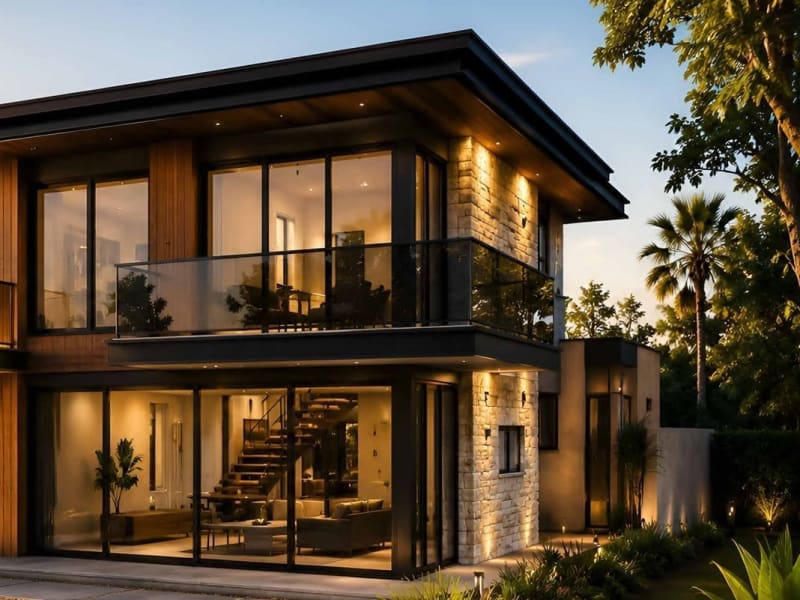
Extended three-bedroom villa with upstairs family lounge, staff quarters, and deep-set viewing balconies.

Nanyuki · Nanyuki River, off Nanyuki-Nyeri Highway, Nanyuki, Laikipia County, Kenya
Rivera Villas Nanyuki
An exclusive master-planned enclave of 54 contemporary riverfront villas along the Nanyuki River, featuring a wellness clubhouse, heated pool, deer park, and panoramic Mount Kenya views.

Kilimani · Kirichwa Road, off Argwings Kodhek Road, Kilimani, Nairobi, Kenya
Belmont Residency
A landmark 30-storey mixed-use vertical community on Kirichwa Road uniting hotel-grade residences, a 6,000 sqm retail mall, and panoramic rooftop leisure.