How Much Salary Do You Need to Live in Kilimani? The Real Cost of a KSh 60,000 Apartment
A KSh 60,000 Kilimani apartment looks attainable on paper. We audit the true monthly living expenses, hidden move-in costs, and realistic salary requirements.
Key Takeaways
- 01.The 30% Housing Benchmark: Under classical personal finance rules, a pure KSh 60,000 monthly rent requires a minimum net take-home pay of KSh 200,000 per month.
- 02.True Monthly Cash Burn: Adding baseline groceries (KSh 18,000), local commute (KSh 12,000), utilities and Wi-Fi (KSh 8,000), service charge (KSh 5,000), and social cushion (KSh 5,000) brings real monthly living expenses to KSh 108,000.
- 03.Initial Capital Barrier: Moving in demands KSh 150,000 to KSh 220,000 in upfront cash when factoring in the security deposit, first month rent, utility meter deposits, and professional movers.
- 04.Income Thresholds: Earning KSh 120,000 net leaves an unsustainable KSh 12,000 emergency buffer. An income of KSh 150,000 to KSh 180,000 allows comfortable survival but slows wealth accumulation. KSh 200,000+ provides true financial freedom and investment capacity.
- 05.Market Context: September 2026 rental data indicates the median asking rent for a modern one-bedroom in Kilimani is KSh 81,700, making a genuine KSh 60,000 lease a competitive find that warrants careful inspection of unit size and utility billing.
Direct Answer: What Salary Do You Need for a KSh 60,000 Kilimani Apartment?
To comfortably afford a KSh 60,000 one-bedroom apartment in Kilimani without financial strain, you need an absolute minimum take-home salary of KSh 200,000 net per month (roughly KSh 285,000 to KSh 300,000 gross). While an individual earning KSh 120,000 net can technically pay the rent, their monthly surplus after basic living expenses drops to just KSh 12,000, leaving them one emergency away from debt. A monthly income between KSh 150,000 and KSh 180,000 provides breathing room but limits long-term capital accumulation.
Before diving into the detailed accounting, watch our on-the-ground investigative breakdown exploring the physical spaces, meter cupboards, and supermarket aisles that define life in Nairobi's most talked-about rental district:
You can also watch the full investigation directly on YouTube via Zuri Estates on YouTube.
The Apartment That Looks Affordable: The Kilimani Hook
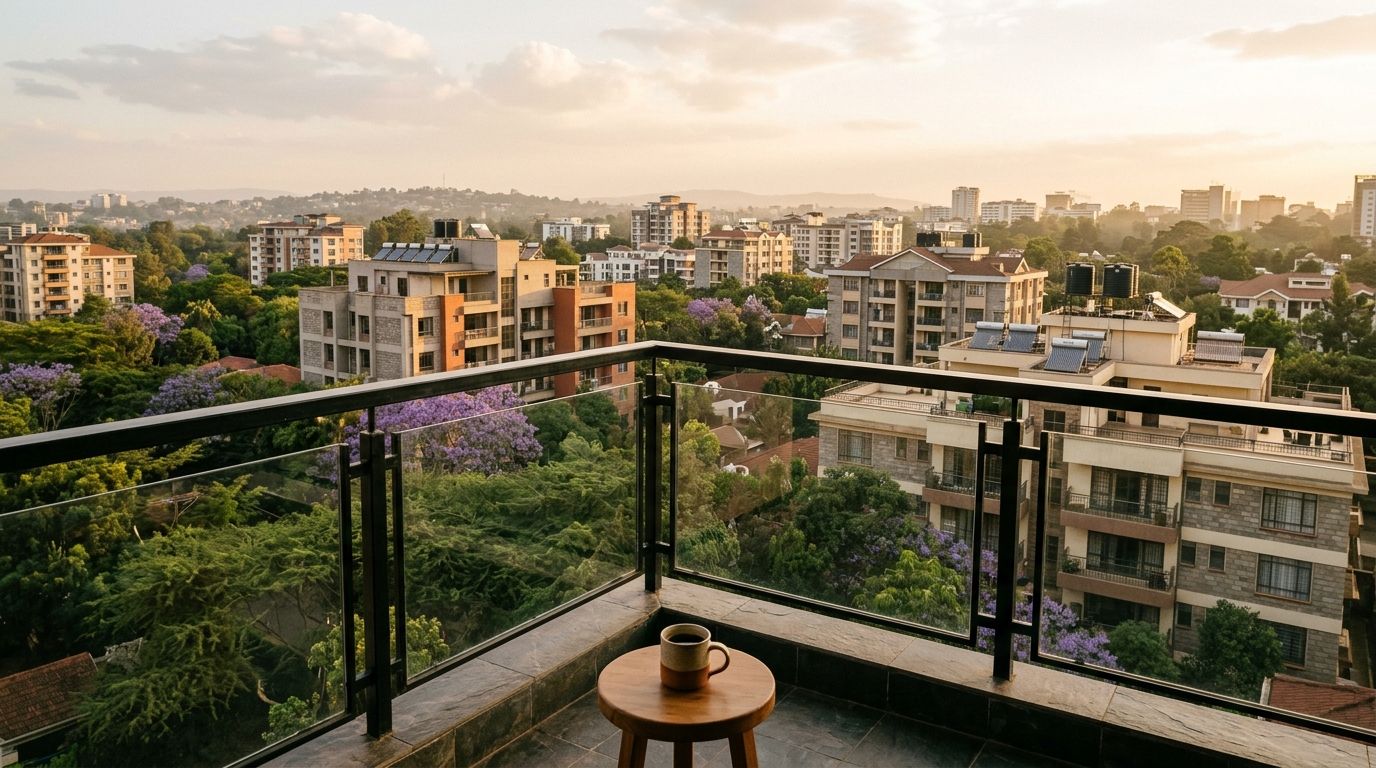
It usually starts on a bright Saturday afternoon off Kindaruma Road, Chania Avenue, or Wood Avenue. The lift doors slide open on the eighth floor with an almost imperceptible hum. Sunlight pours through floor-to-ceiling glass, illuminating polished porcelain floor tiles, an open-concept kitchen fitted with quartz worktops, and a private balcony overlooking a canopy of mature jacaranda and acacia trees.
Upstairs, the rooftop reveals a heated infinity swimming pool reflecting the late-afternoon sky, an equipped gym with functioning treadmills, and a panoramic view stretching from the Upper Hill skyline to the distant Ngong Hills. The caretaker hands you the brochure with a reassuring smile: KSh 60,000 per month.
For many ambitious professionals in Nairobi, corporate associates, tech managers, creative entrepreneurs, and diaspora returnees in their late twenties or early thirties, that number sounds like a triumph. It feels like tangible proof that late nights and career milestones have paid off. You have stepped out of commuter bedsits in Roysambu or shared flats in South B and arrived in Kilimani, the vibrant epicentre of modern Nairobi urban living.
Yet rental advertisements and property listings share a universal trait: they present rent as a solitary financial figure in a vacuum. They show the cost of opening the front door on the first of the month. What they never reveal is the relentless, day-to-day cash velocity required to keep that door open.
Key Financial Benchmarks at a Glance
The Price of Getting Through the Door: The Move-In Capital Trap
Long before your first grocery run or morning coffee, there is an uncomfortable mathematical equation waiting at the signing table. Most first-time Kilimani tenants assume that having KSh 60,000 in their bank account means they are ready to sign the lease. In reality, moving into a prime Nairobi apartment is a capital-intensive event.
Standard lease agreements in Kilimani governed by the Landlord and Tenant Act and commercial practice typically require:
| Upfront Capital Expense Item | Realistic Cost Range (KES) | Nature of Expense |
|---|---|---|
| First Month Rent in Advance | KSh 60,000 | Mandatory advance payment |
| Refundable Security Deposit (1 to 2 Months) | KSh 60,000 to KSh 120,000 | Tied-up capital held by landlord |
| Water Meter & Prepaid Electricity Deposit | KSh 5,000 to KSh 10,000 | Utility account setup and token float |
| Professional Moving Truck & Packing Crew | KSh 8,000 to KSh 15,000 | Logistics across Nairobi corridors |
| Essential Fit-Out, Curtains, Locks & Pantry Stock | KSh 15,000 to KSh 25,000 | Curtain rods, pantry staples, cleaning gear |
| Total Upfront Move-In Capital Required | KSh 148,000 to KSh 230,000 | Total liquid cash needed before day one |
Notice that even under the gentlest landlord policy (one month rent plus one month deposit), you need nearly KSh 150,000 in liquid capital just to receive the biometric access fob. If the landlord enforces a customary two-month deposit, your cash requirement crosses KSh 210,000.
This creates the first hidden trap of the Kilimani lifestyle: capital depletion. Many young renters drain their entire emergency savings account, SACCO dividend float, or annual bonus just to clear the entrance hurdle. They begin month one in their glamorous new apartment with zero financial shock absorbers.
The Security Deposit Reality: Tied-Up Cash
While a security deposit is technically refundable upon tenancy termination, treat it as non-liquid capital. In practice, deductions for repainting, wear-and-tear disputes, and delayed handover reconciliations mean that recovering 100% of your deposit within 30 days of moving out is rare in Nairobi. Never count on your current deposit to fund your next apartment move.
The Monthly Bill That the Rent Advertisement Leaves Out
Once settled inside, the monthly financial rhythm takes over. In our documentary investigation, we established an illustrative monthly budget of KSh 108,000 for a single professional living in a KSh 60,000 one-bedroom apartment. Let us audit every line item against verified Kenyan market data to separate reasonable assumptions from potential surprises.
| Expense Category | Documentary Baseline (KES) | Realistic Market Range (KES) | Key Factors and Budget Drivers |
|---|---|---|---|
| Apartment Rent | KSh 60,000 | KSh 55,000 to KSh 85,000 | Square footage (40-60 sqm), building age, road frontage |
| Service Charge | KSh 5,000 | KSh 3,500 to KSh 7,500 | Lifts, 24/7 security, standby generator fuel, borehole |
| Food and Household Groceries | KSh 18,000 | KSh 16,000 to KSh 28,000 | Cooking at home vs food delivery apps and neighbourhood supermarkets |
| Commuting & Local Transport | KSh 12,000 | KSh 6,000 to KSh 25,000 | Matatu corridor vs Bolt/Uber rides vs private vehicle fuel and parking |
| Utilities (Power, Water & Wi-Fi) | KSh 8,000 | KSh 7,500 to KSh 12,000 | Prepaid electricity tokens (DC3 tariff), metered water, home fibre |
| Discretionary & Social Cushion | KSh 5,000 | KSh 5,000 to KSh 15,000 | Cafes, weekend dining, entertainment, unexpected personal needs |
| Total Monthly Living Cost | KSh 108,000 | KSh 93,000 to KSh 172,500 | Baseline survival versus comfortable urban lifestyle |
1. Rent: What Does KSh 60,000 Actually Secure in Kilimani?
According to September 2026 data from the Kenya Property Centre index across 157 surveyed residential listings, the median asking rent for a one-bedroom apartment in Kilimani stands at KSh 81,700, with a typical pricing spectrum spanning from KSh 61,900 on the lower boundary to KSh 127,000 for luxury serviced units. It is essential to remember that these are advertised asking rents rather than concluded transaction registries, but they clearly illustrate that finding a quality modern one-bedroom unit at KSh 60,000 places you in the most competitive entry-tier of the neighbourhood.
At KSh 60,000, you are generally securing one of two typologies: either an older, spacious apartment in an established court (often 60 to 75 sqm, but lacking contemporary amenities like lifts or backup generators), or a newly built compact executive suite (38 to 52 sqm) in a high-density modern tower. If you encounter an apartment advertising 75 sqm, modern finishes, a rooftop pool, and full backup power for KSh 50,000, proceed with rigorous due diligence; such pricing frequently signals uncompleted construction, water rationing, or hidden maintenance charges.
2. Service Charge: The Silent Extra on Your Lease
One of the most frequent surprises for new renters is the treatment of service charge. In some Kilimani developments, the quoted KSh 60,000 figure is all-inclusive. In many others, however, service charge is billed separately as an additional KSh 4,000 to KSh 7,000 per month.
Why does service charge run so high in modern Nairobi developments? Consider the infrastructure required to make high-density living functional: four high-speed destination-controlled lifts operating 24 hours a day, an industrial standby diesel generator that consumes tens of litres of diesel per hour during grid outages, commercial-grade water booster pumps, 24/7 private security guards at the perimeter gatehouse, and continuous chemical treatment for rooftop swimming pools. If your lease bills service charge separately, your real monthly housing commitment is not KSh 60,000; it is KSh 65,000 or more.
3. Food and Groceries: The Kilimani Convenience Premium
The documentary model allocates KSh 18,000 per month for food and groceries. For a single professional preparing roughly 70% of their meals at home, this is achievable, representing about KSh 600 per day. However, achieving this requires conscious geographic discipline.
According to expenditure weighting data from the Kenya National Bureau of Statistics (KNBS) Consumer Price Index (CPI), food and non-alcoholic beverages represent approximately 32.9% of average Kenyan consumer spending. In high-density urban nodes like Kilimani, the "convenience premium" can quickly inflate this figure. Shopping exclusively at express retail outlets in Yaya Centre or Adlife Plaza carries a measurable markup compared to sourcing fresh produce at Toi Market or City Market. Furthermore, ordering dinner through delivery apps like Glovo or Uber Eats just three times a week easily adds KSh 12,000 to KSh 15,000 to your monthly food ledger, turning an KSh 18,000 grocery plan into a KSh 32,000 culinary expenditure.
4. The Nairobi Commute: Transport Realities and Congestion Costs
Transport is allocated KSh 12,000 in our documentary budget. How realistic is that figure in Nairobi's traffic ecosystem?
The TomTom Traffic Index reports an average congestion level of 49.6% across Nairobi, with drivers averaging 26 minutes and 47 seconds to complete a modest 10 km journey. During peak morning (07:00 to 09:30) and evening (17:00 to 20:00) hours along major corridors like Ngong Road, Argwings Kodhek Road, and Dennis Pritt Road, travel times frequently double.
Your actual transport expenditure depends entirely on your mode of mobility:
| Mode of Transport | Typical Daily Cost | Estimated Monthly Cost | Mobility Experience & Trade-Offs |
|---|---|---|---|
| Corridor Matatu (Ngong Rd / Argwings) | KSh 160 to KSh 240 roundtrip | KSh 4,500 to KSh 6,500 | Economical but subject to peak-hour crowding and weather delays |
| Ride-Hailing Apps (Uber / Bolt / Little) | KSh 800 to KSh 1,600 daily | KSh 18,000 to KSh 35,000 | High comfort, door-to-door convenience, but heavy surge pricing in rain |
| Personal Vehicle (Fuel + Parking) | KSh 800 to KSh 1,200 daily fuel | KSh 20,000 to KSh 30,000 | Independence and flexibility, plus commercial parking fees and vehicle service |
| Hybrid Commuter (Walk + Matatu + Occasional Bolt) | Variable | KSh 10,000 to KSh 14,000 | Disciplined mix matching the documentary illustrative budget |
If your office is located within Kilimani, Hurlingham, or Upper Hill, walking or taking quick short-distance rides makes KSh 12,000 an accurate allocation. If you commute daily to Westlands, Gigiri, or Industrial Area, transport will become one of your largest non-rent cash drains.
5. Utilities: Decoding the Kenya Power Token Meter
Utilities in the documentary budget stand at KSh 8,000 per month. To understand where this money goes, we must examine the Energy and Petroleum Regulatory Authority (EPRA) retail tariff structure.
Most active single-person apartments in Kilimani consume between 120 and 220 kilowatt-hours (kWh) of electricity per month, placing them squarely in EPRA's Domestic Ordinary band (DC3, over 100 kWh monthly). When you add the base energy charge (roughly KSh 20.97 per kWh), Fuel Cost Charge (FCC), Foreign Exchange Fluctuation Adjustment (FERFA), inflation levies, water resource levies, and 16% VAT, the effective consumer price per unit ranges between KSh 28 and KSh 32 per kWh.
An instantaneous electric shower head rated at 5.5 kW running for 15 minutes every morning burns approximately 1.4 kWh per day, roughly KSh 1,300 per month for hot showers alone. Add a frost-free refrigerator, induction cooker, microwave, flat-screen television, laptop chargers, and evening lighting, and your monthly token expenditure typically lands between KSh 4,200 and KSh 5,200.
Add metered or borehole water charges (typically KSh 1,200 to KSh 2,000 per month) and a reliable 30-50 Mbps home fibre internet connection from providers like Safaricom or Faiba (KSh 3,000 to KSh 4,000 per month), and total utility expenses naturally settle at KSh 8,500 to KSh 11,000.
The 30% Housing Affordability Rule
A widely referenced financial planning guideline originating from urban housing research, which recommends that a household spend no more than 30% of its monthly income on housing costs. In prudent personal finance for high-cost rental markets like Nairobi, this benchmark is best applied to net take-home pay rather than gross salary, and should ideally encompass rent and mandatory service charges.
When Life Happens: The Costs Omitted from the Documentary
The documentary's KSh 108,000 monthly burn is an honest reflection of baseline survival. But human lives do not unfold in tidy spreadsheets. Several legitimate, recurring expenses were deliberately omitted to keep the baseline model simple:
| Omitted Expense Category | Estimated Monthly Impact (KES) | Why It Matters in Nairobi Real Estate |
|---|---|---|
| Black Tax & Family Assistance | KSh 10,000 to KSh 25,000 | Financial support for parents, siblings school fees, or rural family needs |
| Medical Out-of-Pocket & Co-Pays | KSh 3,000 to KSh 8,000 | Prescription drugs, dental, and outpatient costs not covered by standard insurance |
| Personal Care, Grooming & Laundry | KSh 4,000 to KSh 8,000 | Haircuts, dry cleaning, personal toiletries, and gym supplements |
| Emergency Fund & SACCO Savings | KSh 15,000 to KSh 40,000 | Essential capital accumulation for land, home deposits, and financial security |
| Household Maintenance & Surges | KSh 2,000 to KSh 4,000 | Replacing power-surge-damaged electronics, plumbing washers, and bulb replacements |
When you factor in these everyday Kenyan realities, a single earner living in a KSh 60,000 apartment frequently faces an authentic lifestyle expenditure of KSh 135,000 to KSh 155,000 per month.
How Much Should You Earn? Three Realistic Salary Scenarios
Now we arrive at the pivotal question: What salary do you actually need to earn before signing a KSh 60,000 lease in Kilimani? Let us model three distinct take-home income tiers against our KSh 108,000 baseline budget.
| Financial Metric | Scenario A: Under KSh 120,000 Net | Scenario B: KSh 150,000 - 180,000 Net | Scenario C: KSh 200,000+ Net |
|---|---|---|---|
| Net Take-Home Pay | KSh 115,000 | KSh 165,000 | KSh 210,000 |
| Equivalent Gross Salary (Est.) | ~KSh 155,000 | ~KSh 230,000 | ~KSh 305,000 |
| Pure Rent (KSh 60,000) as % of Net | 52.2% (Severe Rent Burden) | 36.4% (Moderate Rent Burden) | 28.6% (Complies with 30% Rule) |
| Total Baseline Burn (KSh 108,000) | KSh 108,000 | KSh 108,000 | KSh 108,000 |
| Monthly Free Cash Surplus | +KSh 7,000 | +KSh 57,000 | +KSh 102,000 |
| Financial Resilience Rating | Critical Deficit (Fragile) | Comfortable Plateau | Sound Financial Freedom |
| Capacity for Wealth Building | Virtually zero; savings stagnant | Moderate; can save KSh 25k-40k | Substantial; enables land/off-plan investments |
Scenario A: The Under-KSh 120,000 Trap (The Survival Tightrope)
If your net take-home salary is KSh 115,000, paying KSh 60,000 in rent consumes more than 52% of your entire earnings. After clearing your baseline expenses of KSh 108,000, you are left with just KSh 7,000 for the entire month.
In this scenario, you are living on a high-wire without a safety net. A single unexpected medical bill, an urgent family call from the village, or a mechanical issue with your car will instantly force you into mobile loan apps, credit card debt, or rent arrears. You look wealthy from the outside, but your bank account is in constant distress. This is the definition of the Kilimani rent trap.
Scenario B: KSh 150,000 to KSh 180,000 Net (The Comfortable Plateau)
At an average net income of KSh 165,000, your pure rent represents roughly 36.4% of take-home pay. You clear your KSh 108,000 baseline burn and retain approximately KSh 57,000 in monthly free cash flow.
Here, you can comfortably absorb unexpected expenses, enjoy dinner with friends on Rose Avenue or Lenana Road without checking your M-Pesa balance, and allocate KSh 25,000 to KSh 35,000 into a SACCO or high-yield money market fund (MMF). However, buying a home or acquiring property remains distant unless you have secondary income streams or side businesses.
Scenario C: KSh 200,000+ Net (The Wealth-Building Baseline)
At KSh 210,000 net (which translates to a gross salary of roughly KSh 300,000 to KSh 310,000 after PAYE, SHA, NSSF, and the statutory Housing Levy), rent of KSh 60,000 accounts for less than 29% of take-home income, satisfying the classical 30% affordability test.
Even after funding the full KSh 108,000 monthly living expenditure, you retain over KSh 100,000 every single month. This surplus provides authentic financial independence: you can maintain a six-month liquid emergency fund, contribute aggressively to a registered SACCO, and even service an off-plan installment plan for your own property.
The Kilimani Balance Sheet: Pros and Cons
Pros
- ✓Unmatched Centrality: Minutes from Upper Hill, CBD, Westlands, and major retail hubs like Yaya Centre and Junction Mall.
- ✓Modern High-Density Amenities: Access to rooftop pools, equipped fitness clubs, backup generators, and reliable boreholes.
- ✓High Walkability: Easy pedestrian access to premier supermarkets, international dining, medical clinics, and coworking spaces.
- ✓High Rental Liquidity: If you need to relocate or travel, Kilimani properties have strong corporate and expat tenant demand.
Cons
- ✗Severe Traffic Chokepoints: Heavy rush-hour congestion along Argwings Kodhek, Ngong Road, and Dennis Pritt junctions.
- ✗Construction Noise & Dust: Continuous high-rise development across the neighbourhood creates ongoing ambient noise.
- ✗Urban Infrastructure Pressure: Occasional sewer overflows, transformer trips, and municipal water rationing during dry months.
- ✗High Lifestyle Inflation Pressure: Abundant cafes, lounges, and food delivery options encourage unconscious discretionary spending.
Is Kilimani the Only Option? Strategic Nairobi Alternatives
Before committing KSh 60,000 of your hard-earned salary to a landlord in Kilimani, consider whether adjacent or satellite neighbourhoods could offer superior financial leverage for your current life stage.
Consider the following spatial trade-offs:
| Neighbourhood Node | Typical 1-Bed Rent (KES) | Typical 2-Bed Rent (KES) | Distinct Character & Commute Profile |
|---|---|---|---|
| [Kilimani](/locations/kilimani) | KSh 60,000 to KSh 85,000 | KSh 90,000 to KSh 140,000 | Fast-paced, vibrant high-density urban lifestyle with maximum social convenience |
| [Kileleshwa](/locations/kileleshwa) | KSh 55,000 to KSh 75,000 | KSh 80,000 to KSh 120,000 | Slightly greener, quieter residential streets with quick access to Riverside and Westlands |
| [Lavington](/locations/lavington) | KSh 65,000 to KSh 90,000 | KSh 95,000 to KSh 150,000 | Established diplomatic enclave, mature trees, larger compound developments |
| [Westlands](/locations/westlands) | KSh 65,000 to KSh 95,000 | KSh 100,000 to KSh 160,000 | Commercial capital of Nairobi, premium corporate headquarters, vibrant nightlife |
| Satellite Towns (Ruaka / Syokimau) | KSh 30,000 to KSh 45,000 | KSh 45,000 to KSh 65,000 | Substantial square footage savings; frees up KSh 25,000+ monthly for asset acquisition |
For an exhaustive spatial breakdown of these central districts, explore our comprehensive guide on Kilimani vs Kileleshwa vs Westlands: Where Should You Buy an Apartment?, as well as our detailed analysis of Renting vs Buying a Home in Nairobi: What the Numbers Actually Say.
If your medium-term objective is homeownership, paying KSh 60,000 per month means transferring KSh 720,000 per year (or KSh 2.16 million over three years) directly into a landlord's equity. In developments such as Avana Oasis in Kilimani or Amethyst Springs Kilimani, structured milestone payment plans allow investors to convert similar capital allocations into sectional title ownership under the Kenya Sectional Properties Act 2020.
The Renter's Pre-Flight Checklist: 10 Questions to Ask Before Signing
If your salary comfortably supports a KSh 60,000 rent and you have decided that Kilimani is the right move, do not hand over your deposit until you have verified these ten operational points:
| Checklist Item | What to Inspect on the Ground | Why This Protects Your Wallet |
|---|---|---|
| 1. Metering Integrity | Confirm whether the unit has an independent Kenya Power meter number or a sub-meter. | Shared sub-meters often lead to inflated unit rates or sudden power cuts when neighbours default. |
| 2. Water Quality & Source | Ask if borehole water is treated through Reverse Osmosis (RO) or purely raw. | Untreated saline water ruins electric kettles, stains bathroom porcelain, and forces you to buy drinking water. |
| 3. Generator Load Coverage | Verify whether the backup generator powers indoor wall sockets and Wi-Fi or only common areas. | Working remotely during blackouts requires full generator connection to internal apartment sockets. |
| 4. Service Charge Itemisation | Get written confirmation of what the service charge includes and if rates are fixed. | Avoid surprise additional bills for garbage collection, security guard tips, or lift maintenance. |
| 5. Mobile Network Reception | Test voice calls and mobile data speeds on both Safaricom and Airtel from inside the bedroom. | Dense concrete high-rises often create dead zones, making two-factor authentication and calls impossible. |
| 6. Dedicated Parking Space | Confirm that the unit has an assigned, numbered parking bay specified in the lease. | Buildings with unassigned parking lead to daily evening frustration and blocked-in vehicles. |
| 7. Airbnb Policy | Ask management whether short-term furnished rentals are permitted on your residential floor. | Frequent weekend party rentals can ruin sleep and compromise residential security. |
| 8. Ambient Noise Exposure | Visit the apartment at 19:30 on a Friday evening before signing. | Check proximity to late-night entertainment clubs, 24-hour construction sites, and church revivals. |
| 9. Deposit Refund Protocol | Review clause wording regarding deposit return timelines and repainting deductions. | Ensure the agreement states deposits must be returned within 14 to 30 days of key handover. |
| 10. Snagging & Condition Report | Photograph every scratch, cracked tile, and tap leak during handover before signing. | Refer to our [Property Handover Snagging Checklist](/journal/property-handover-snagging-checklist-kenya) to protect your deposit upon exit. |
The Final Verdict: Is Kilimani a Trap or a Stepping Stone?
Living in Kilimani is not inherently a financial trap. It is an energetic, highly connected urban ecosystem filled with ambitious people, world-class dining, and unmatched lifestyle convenience. If your net income is KSh 200,000 or higher, renting a KSh 60,000 apartment is a sustainable, enjoyable lifestyle choice that preserves ample cash flow for investments, savings, and personal peace of mind.
The trap emerges when aspirational renters confuse ability to pay rent with ability to afford a home. Signing a KSh 60,000 lease on a KSh 110,000 take-home salary traps you on a financial treadmill where over half your earnings evaporate on day one, leaving you vulnerable to every minor shock that life in Nairobi inevitably delivers.
Make your housing decisions with clear eyes and honest arithmetic. Choose Kilimani when your numbers support its energy; and if they do not yet, choose an affordable launching pad, build your savings foundation in a disciplined SACCO or property investment fund, and arrive in Kilimani on your own unshakeable financial terms.
Verified Sources & References
Official & Peer ReviewedKenya Property Centre Residential Rent Index
“Kilimani One-Bedroom Residential Rent Index (September 2026): Reports a median asking rent of KSh 81,700 per month across 157 surveyed active online apartment listings, with a typical range between KSh 61,900 and KSh 127,000.”
TomTom Traffic Index Nairobi
“TomTom Traffic Index (2024/2025): Nairobi recorded an average congestion level of 49.6% across major road corridors, with an average travel time of 26 minutes and 47 seconds per 10 km drive, rising to over 36 minutes during peak evening rush hours.”
Cytonn Investments Nairobi Metropolitan Area Residential Report
“Cytonn Real Estate H1 2026 Residential Market Research: Upper mid-end residential nodes in Nairobi recorded average apartment gross rental yields of 5.9% to 6.3% for standard unfurnished units, with select furnished and high-density residential nodes achieving yields up to 9.8%.”
Energy and Petroleum Regulatory Authority (EPRA)
“EPRA Retail Electricity Tariff Structure & Monthly Pass-Through Adjustments (2025/2026): Details Domestic Ordinary tariff bands (DC3 >100 kWh/month) with base rates, fuel cost charges (FCC), foreign exchange adjustments, and statutory levies bringing effective token prices to KSh 28 to 32 per kWh.”
Kenya National Bureau of Statistics (KNBS)
“KNBS Consumer Price Index and Inflation Review: Confirms that Food and Non-Alcoholic Beverages (32.9%) and Housing, Water, Electricity, Gas and Other Fuels (14.7%) represent the dominant expenditure shares for urban Kenyan households.”
National Construction Authority & Sectional Properties Act 2020
“Government of Kenya Sectional Properties Act 2020 and NCA Guidelines: Legal framework governing individual sectional title registration, common property management corporations, and statutory service charge administration for multi-unit apartment developments.”

Antony Baragu
Real estate strategist
Antony specializes in strategic acquisitions across Nairobi's most established residential enclaves, including Kilimani, Kileleshwa, and Westlands. His analytical approach and detailed understanding of off-plan developments assist buyers and investors in evaluating property specifications, payment structures, and market timing.
Antony Baragu
Real estate strategist
This article has been reviewed by Antony Baragu to ensure the accuracy, completeness, and validity of all market metrics, property details, and investment guidance.
Related Residences, Developments & Neighbourhoods
KILIMANI · DENNIS PRITT ROAD, KILIMANI, NAIROBI
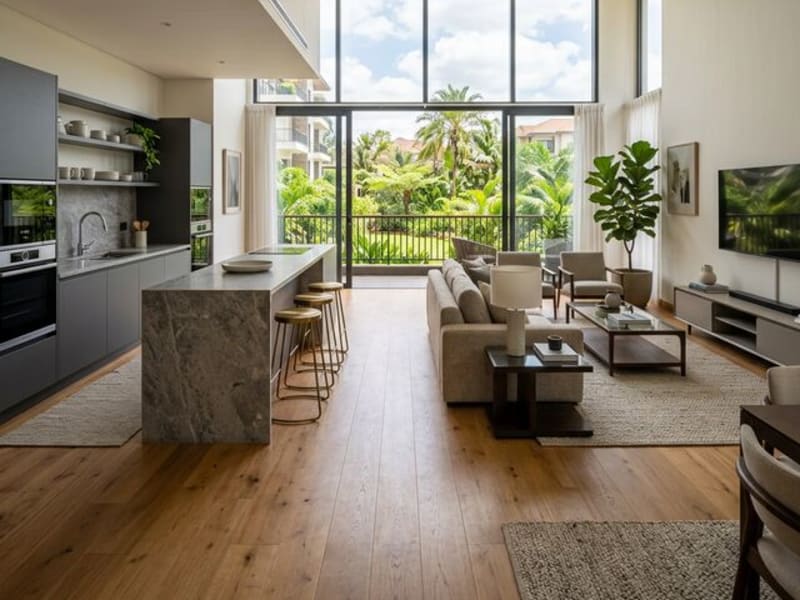
1-Bedroom Double-Volume Loft at Aquarius Residences Kilimani
Iconic 65 sqm one-bedroom double-volume loft with 5.8-meter ceilings and mezzanine bedroom
KILIMANI · DENNIS PRITT ROAD, KILIMANI, NAIROBI
1-Bedroom Executive Suite at Aquarius Residences Kilimani
Curated 44 to 54 sqm one-bedroom executive suite optimized for high-yield short-stay rental
Kilimani · Plot 521, Riara Road, Kilimani, Nairobi
Avana Oasis
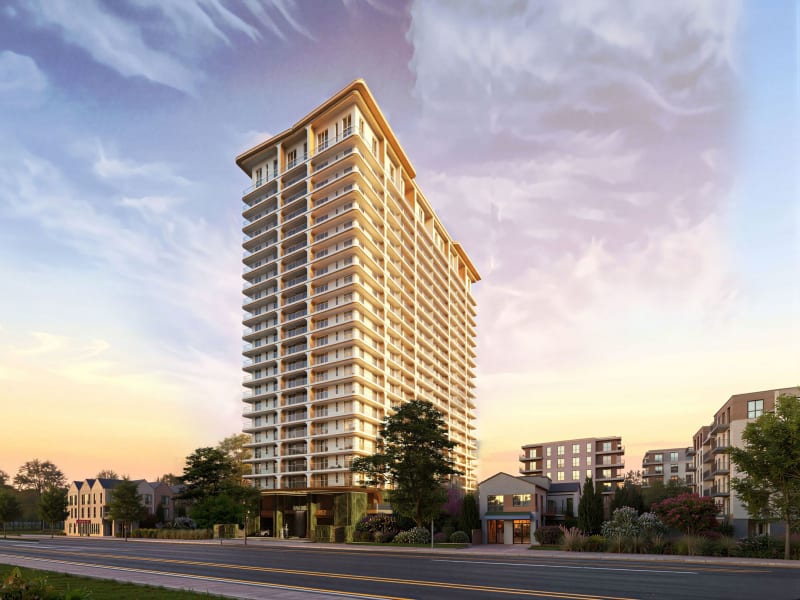
Eco-luxury 1 and 2 bedroom sky residences adjacent to The Junction Mall on Riara Road

Kilimani · Maalim Juma Road, Kilimani, Nairobi
Amethyst Springs Kilimani
Sculpted 22-storey twin residential towers in Kilimani featuring curved glass facades, central courtyard, and rooftop infinity pool sanctuary.

Kilimani · Kirichwa Road, off Argwings Kodhek Road, Kilimani, Nairobi, Kenya
Belmont Residency
A landmark 30-storey mixed-use vertical community on Kirichwa Road uniting hotel-grade residences, a 6,000 sqm retail mall, and panoramic rooftop leisure.
Featured Neighbourhood Suburb
Kilimani
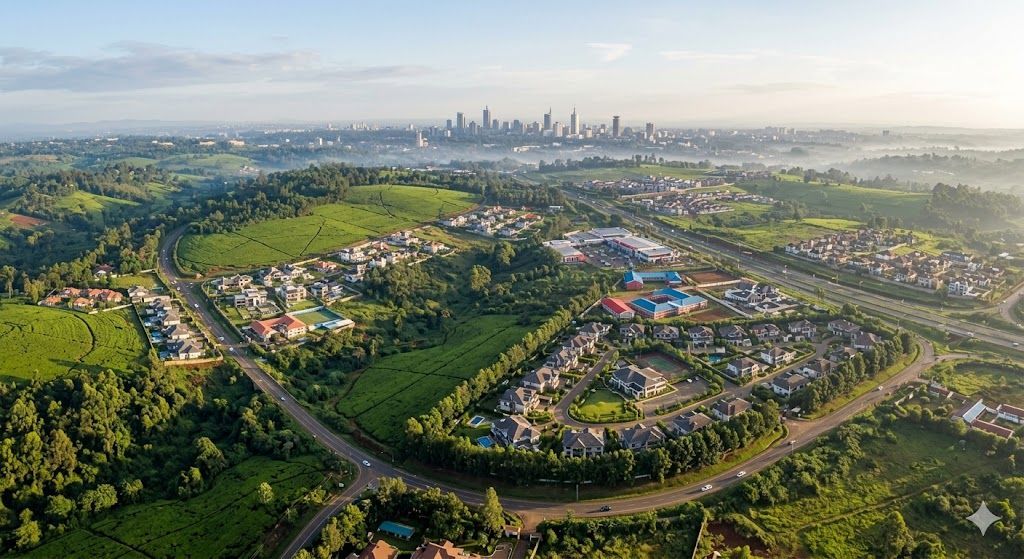
Nairobi's vibrant apartment district with exceptional rental demand and investment potential.
Featured Neighbourhood Suburb
Kileleshwa
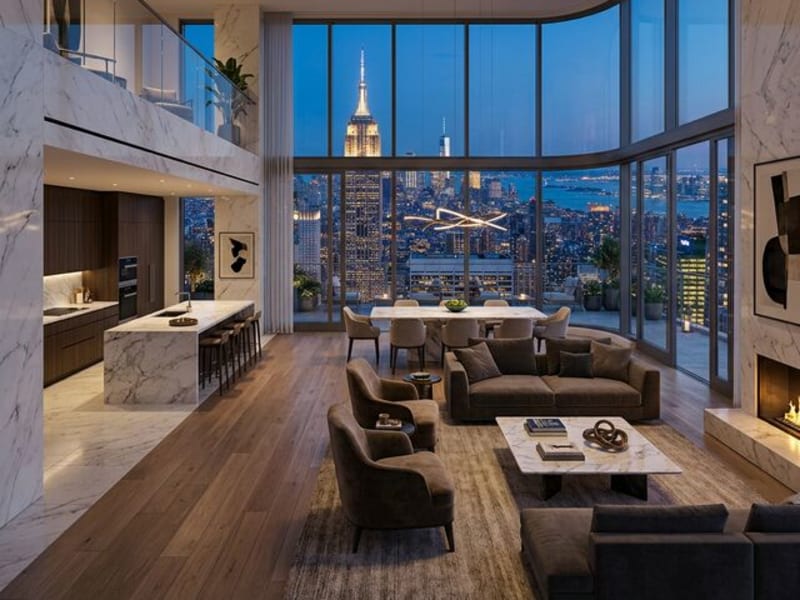
A peaceful, upscale neighbourhood offering elegant apartment living close to Nairobi’s key business districts.
Featured Neighbourhood Suburb
Lavington
One of Nairobi’s most prestigious residential neighbourhoods, known for luxury homes, green surroundings and family living.

Featured Neighbourhood Suburb
Westlands
Nairobi’s premier commercial and luxury residential district with exceptional investment potential.