Buying Freehold Land in Kajiado: Ngong Registry, Searches, and LCB Consents
Conveyancing masterclass for Kajiado land: Ngong registry searches, green card verification, beacon surveys, and Land Control Board consents.

Buying freehold land in Kajiado County is the realization of a lifelong ambition for thousands of Kenyans and diaspora investors. An absolute freehold title offers unencumbered peace of mind: no annual ground rent bills, no looming 99-year lease expiries, and complete autonomy over your property. However, because Kajiado transitioned rapidly from group ranches and Maasai pastoral grazing commons to suburban smallholdings, the conveyancing trail must be examined with forensic discipline.
The difference between a successful property acquisition and years of bitter court litigation lies in knowing how to execute due diligence at the Ngong and Kajiado Land Registries, verifying the physical green card, and securing statutory approvals.
The Green Card Rule
Never rely solely on an official search certificate or a seller's paper title deed. You or your conveyancing lawyer must physically inspect the original Green Card (the historical register document) at the Land Registry to confirm all historical entries, cautions, and restrictions.
The Six-Step Conveyancing Roadmap for Kajiado Freehold Land
A secure land purchase in Kajiado follows an unyielding six-step statutory process:
Step 1: Obtain Title Copies and Commission an Official Search. Secure a certified copy of the Certificate of Title and submit a formal application for an official search (Form LRA 83) at the Ngong or Kajiado Land Registry. The search reveals registered ownership, exact acreage, encumbrances (such as commercial bank mortgages), and registered cautions.
Step 2: Inspect the Cadastral Survey Map and Mutation Form. Visit the Survey of Kenya office or the sub-county surveyor in Ngong. Purchase the official Registry Index Map (RIM) and mutation form to confirm the plot's boundary dimensions and verify that public road access of at least 9 to 12 meters is formally surveyed.
Step 3: On-Site Ground Beacon Verification. Commission an independent licensed surveyor to accompany you to the parcel. The surveyor uses GPS coordinates from the mutation form to uncover the corner iron beacons, confirming that the land you are paying for physically matches the registry map.
Step 4: Execute the Sale Agreement. Your advocate drafts a formal Sale Agreement under the Law of Society of Kenya (LSK) Conditions of Sale. Standard market practice involves paying a 10% deposit held in a stakeholder escrow account, with the remaining 90% payable upon registration of title.
Step 5: Apply for Land Control Board (LCB) Consent. The vendor and purchaser submit Form 1 to the local Land Control Board. Both parties appear before the board, which evaluates the transaction and issues formal written consent (Form 2).
Step 6: Valuation, Stamp Duty Payment, and Title Registration. The government valuer inspects the property to assess market value. Stamp duty is paid to KRA at 2% for agricultural freehold land. The transfer instrument, original title, LCB consent, valuation report, and clearance certificates are lodged at the registry, and a fresh Certificate of Title is issued in the buyer's name.
Kajiado Conveyancing Benchmark Data
Common Red Flags to Watch for in Kajiado
Pastoral land succession in Kajiado presents unique conveyancing challenges that every buyer must anticipate:
- Uncompleted Succession: If the registered proprietor is deceased, the land cannot be sold by children or relatives without a formal Grant of Letters of Administration confirmed by the High Court.
- Un-surveyed Sub-divisions: Never buy a plot based on a sketch map or an 'allotment letter' from an unvetted land-buying company. If individual deed plans have not been approved and separate title numbers issued, you cannot register ownership.
- Riparian and Wildlife Corridor Encroachment: Parcels bordering seasonal rivers or national park conservancy buffers may be subject to environmental restrictions under NEMA guidelines.
Related Residences, Developments & Neighbourhoods

KILELESHWA · 5 VIHIGA ROAD, KILELESHWA, NAIROBI
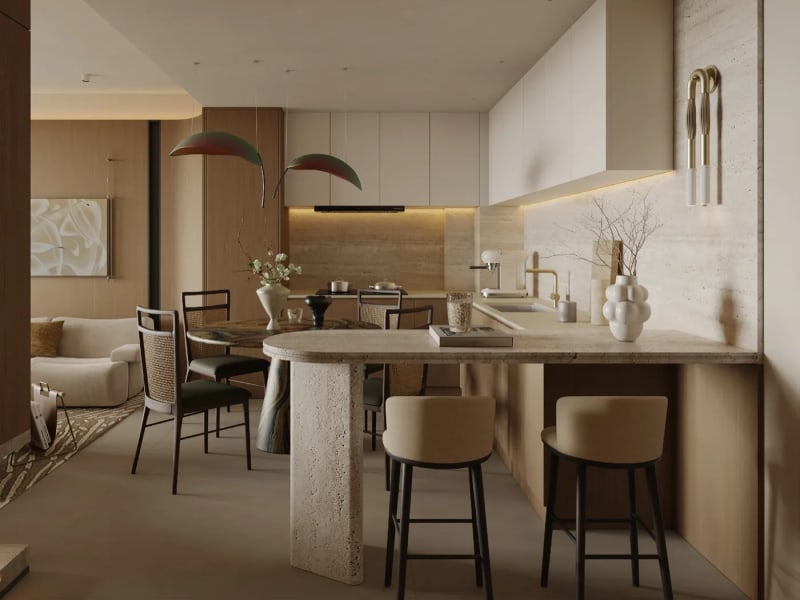
Belgravia Place 3-Bedroom + Mini-Studio Signature Residence (163 sqm)
Flagship 163 sqm corner residence with dual living terraces and autonomous mini-studio
KILELESHWA · 5 VIHIGA ROAD, KILELESHWA, NAIROBI
Belgravia Place 2-Bedroom + Mini-Studio Residence (135–143 sqm)
Innovative 135 to 143 sqm dual-key ready configuration with independent mini-studio

Kileleshwa · 5 Vihiga Road, Kileleshwa, Nairobi
Belgravia Place
Refined 1, 2 and 3-bedroom residences with rooftop padel court and heated sky pool

Lavington · Quiet Gated Court, Lavington, Nairobi, Kenya
Lavington Luxury Villas
Distinguished 5-bedroom luxury villas spanning 6,000 sq ft with private pools and landscaped gardens.
Nairobi Suburb
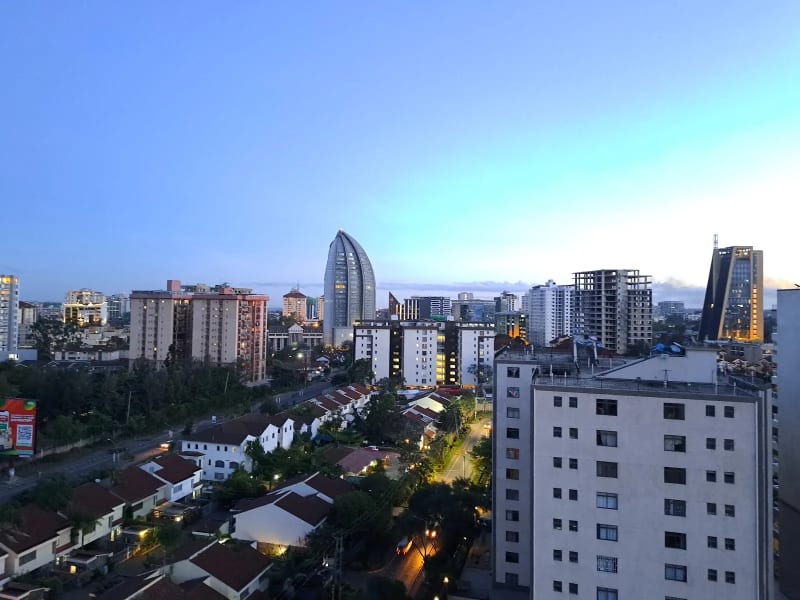
Kilimani
Nairobi's vibrant apartment district with exceptional rental demand and investment potential.

Nairobi Suburb
Runda
Prestigious Embassy Living in a Secure Garden Suburb

Nairobi Suburb
Kitisuru
Exclusive Green Living with Luxury Homes & Privacy


