Buying Land or a Home in Nanyuki: Due Diligence, Costs and Questions to Ask
A practical legal and on-site checklist for buying land or a home in Nanyuki. Title searches, Land Control Board consents, survey beacons, and verified costs.
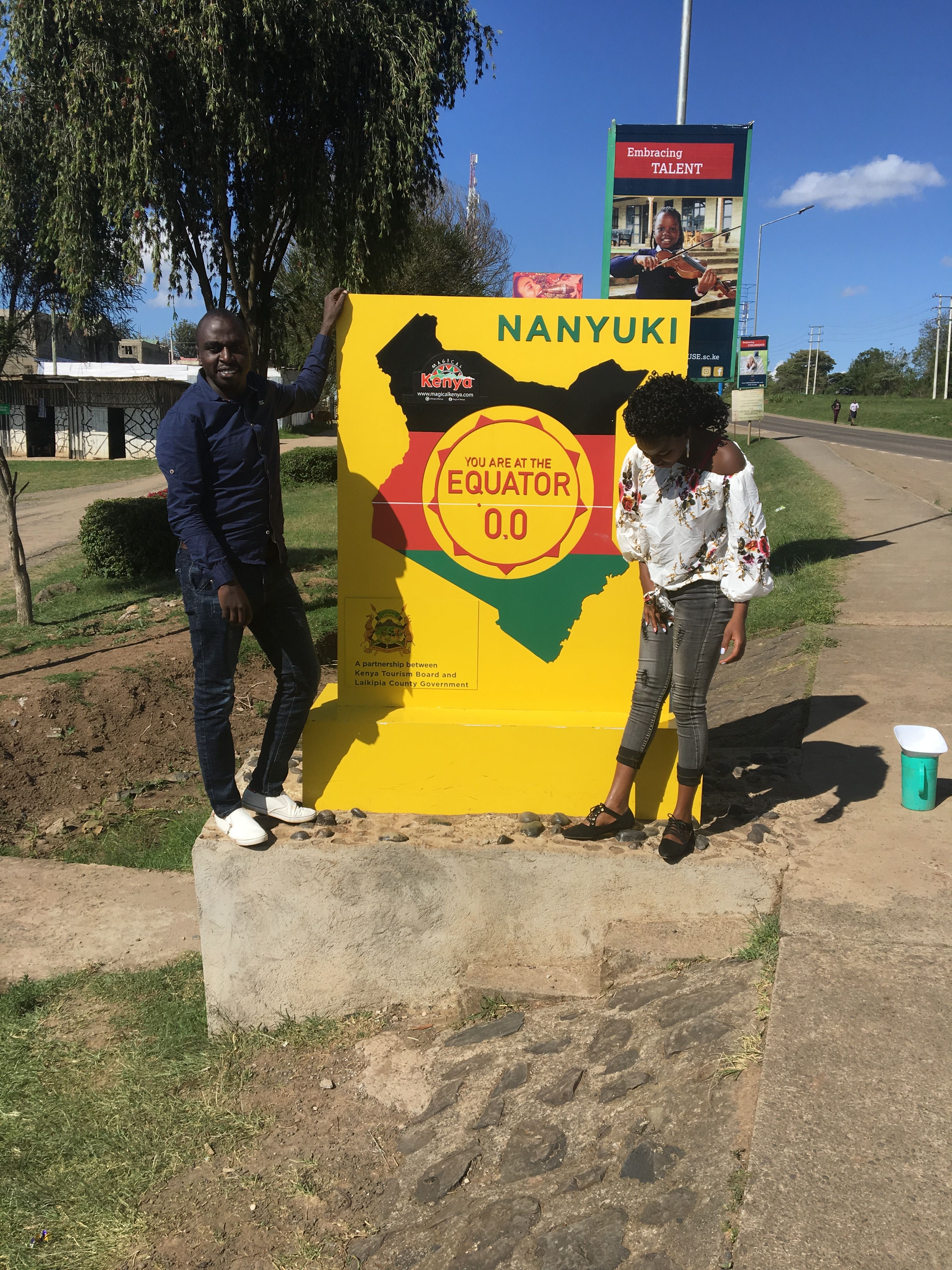
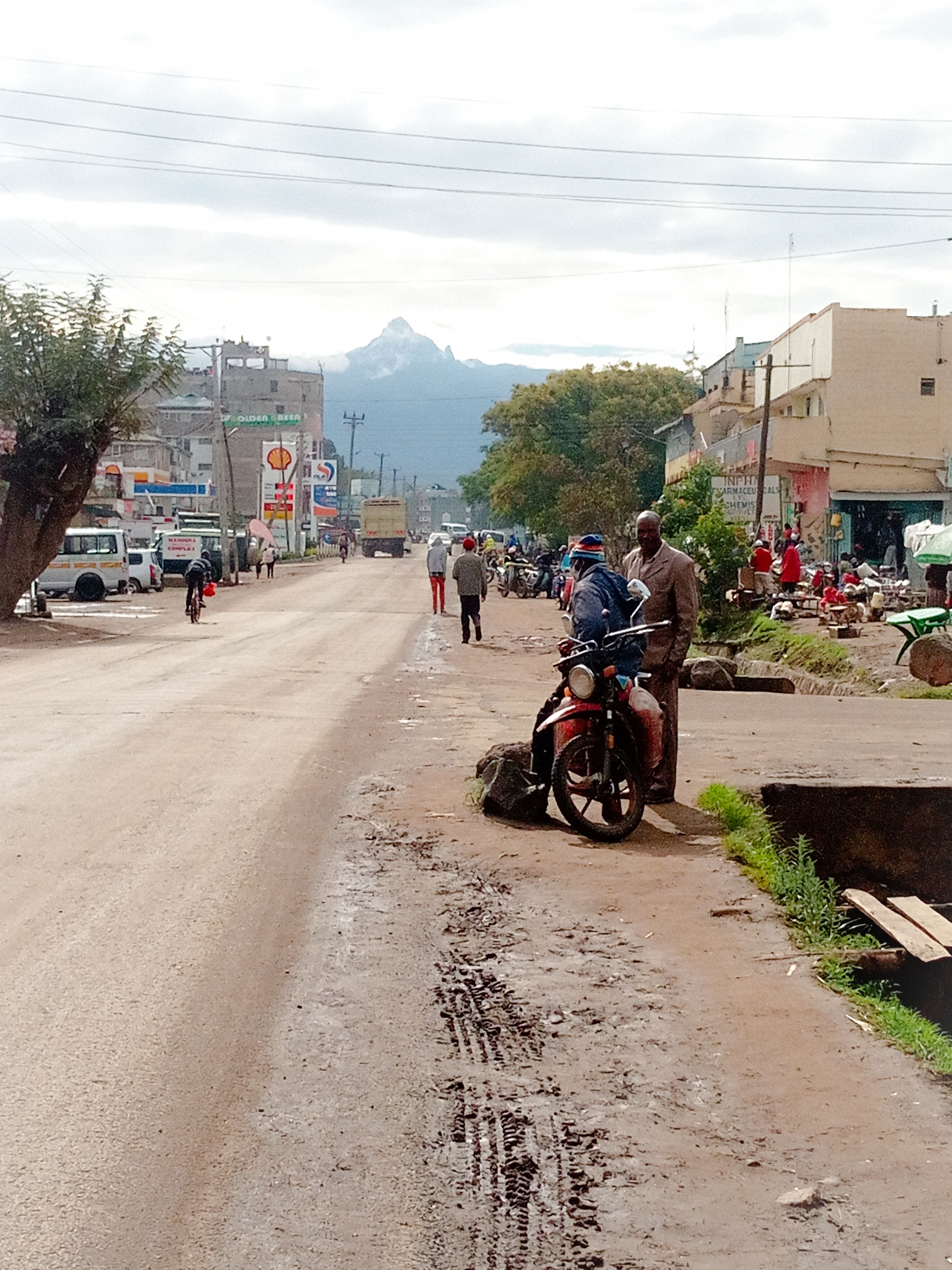
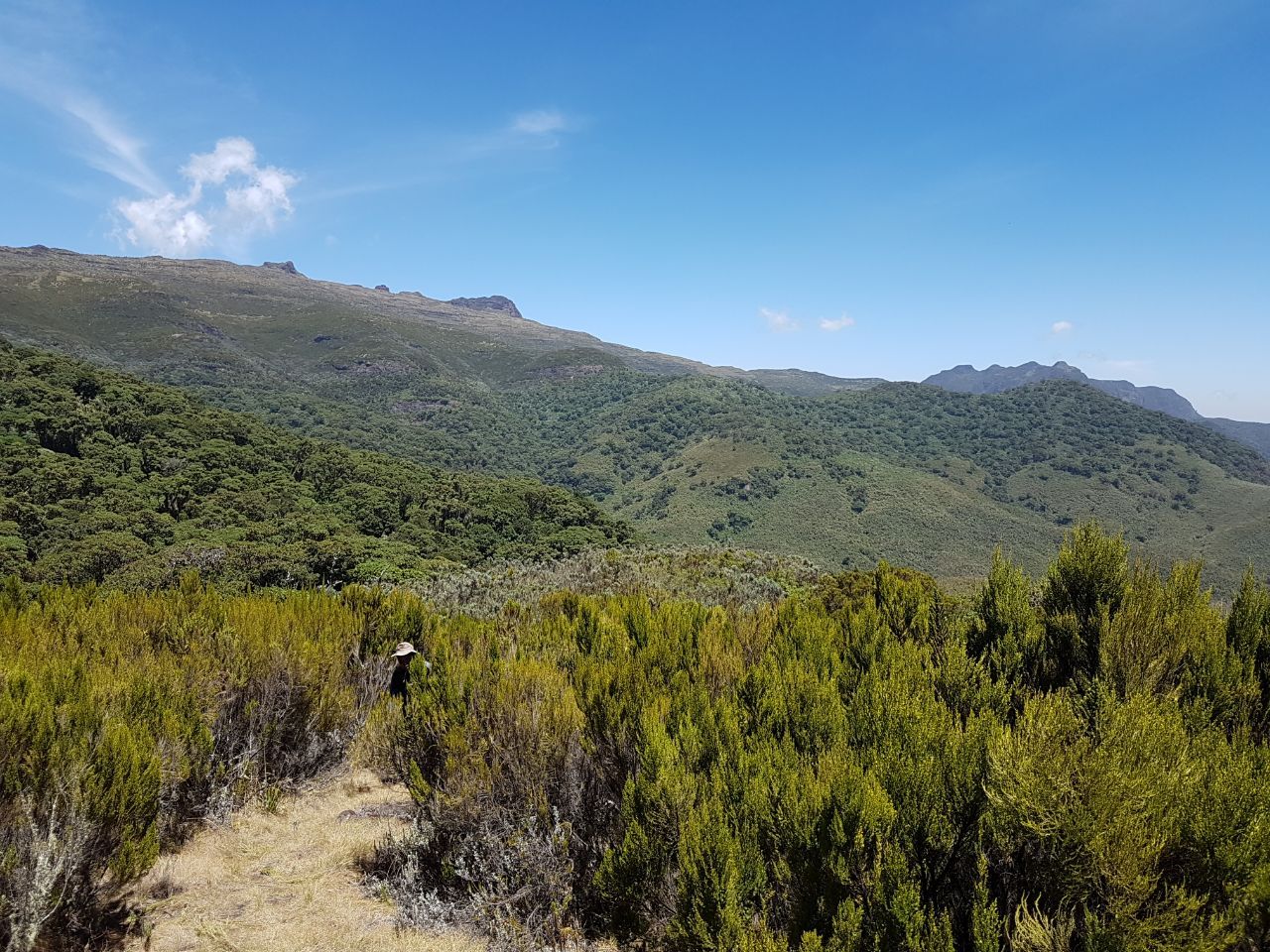
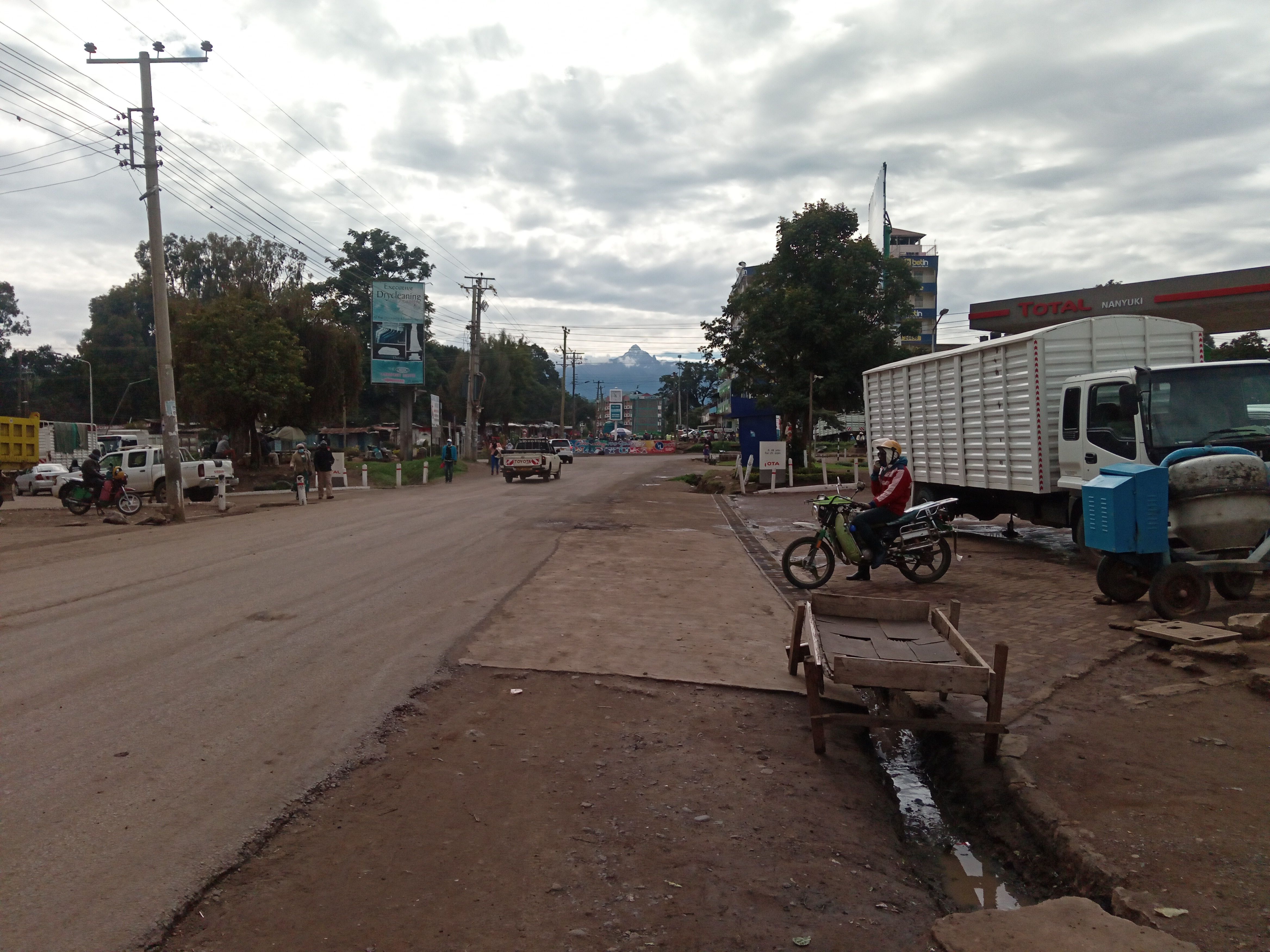
Nanyuki has emerged as one of Kenya's most desirable country living destinations. With its clean alpine air, dramatic views of Mount Kenya, cosmopolitan dining scene, and proximity to world-renowned wildlife conservancies like Ol Pejeta and Lewa, it draws local buyers, expatriates, and Kenyans living in the diaspora looking for property in Nanyuki.
However, buying property in Nanyuki and the surrounding Laikipia County is distinctly different from purchasing an apartment in Nairobi. The process involves agricultural land tenure, physical district land registries, soil engineering variations, seasonal river basins, and wildlife buffer considerations. Relying on casual verbal promises or unverified broker claims can expose buyers to boundary disputes, fraudulent sales, or un-buildable parcels.
This comprehensive guide provides a practical, step-by-step due diligence manual and verified cost breakdown for anyone preparing to purchase land, a ranch, or a residential home in Nanyuki.
1. Clarify Land Tenure: Freehold vs Municipal Leasehold
The first question any property buyer in Nanyuki must establish is the exact legal tenure of the parcel:
A. Municipal Leasehold Land
Parcels located within the gazetted municipal boundary of Nanyuki town (including parts of Muthaiga, town residential zones, and central commercial areas) are predominantly 99-year leaseholds originally issued by the national government or administered by the County Government of Laikipia. These parcels require checking the remaining lease term (aim for at least 45 years remaining) and verifying annual ground rent clearance with the county treasury.
B. Freehold Agricultural Land
Once you move beyond the municipal limits into residential and countryside nodes like Burguret, Mukima, Daiga, and Sweetwaters, land tenure is almost exclusively freehold under the Land Registration Act 2012. Freehold titles confer absolute ownership without recurring annual ground rent, but they are governed by the Land Control Act and require specific statutory consents.
Nanyuki Due Diligence Benchmarks
2. The Registry Search: Navigating the Physical Registry
Many buyers mistakenly assume that every land parcel in Kenya can be searched online via the Ministry of Lands Ardhisasa platform. In reality, while Ardhisasa covers Nairobi properties, land records for Laikipia County are managed primarily through the physical Nanyuki District Lands Registry.
To conduct an official search, your conveyancing advocate must submit an application for an official search (Form LRA 35) accompanied by a certified copy of the title deed and the seller's national identity card. The resulting Certificate of Official Search reveals:
1. The registered legal proprietor (confirming that the seller is the genuine titleholder).
2. Registered encumbrances (such as existing bank mortgages, charges, or agricultural credit facilities).
3. Caveats, cautions, or court prohibitory orders (flagging family inheritance disputes or legal claims).
Never pay a booking fee or deposit based on a photocopied title deed alone. Always obtain a current, stamped Certificate of Official Search dated within the last 14 days.
3. Ground Survey and Beacon Verification
A clean title document in the registry proves legal ownership, but it does not prove where the land physically sits on the ground. You must hire an independent registered surveyor (licensed under the Surveyors Act Cap 299) to conduct a physical ground inspection before executing a sale agreement.
Your surveyor will obtain the official Registry Index Map (RJM) and Mutation Plan from the Survey of Kenya. On site, the surveyor will:
- Locate and verify all four corner boundary beacons.
- Measure the parcel acreage to ensure it matches the title deed exactly (subdivisions frequently feature discrepancies).
- Verify that the land does not encroach on gazetted road reserves, river riparian zones, or neighboring parcels.
- Confirm that a legally gazetted public road of access leads directly to the parcel boundary.
The Disappearing Beacon Hazard
In rural Laikipia, wooden survey pegs or iron pins are frequently disturbed by livestock grazing, road grading, or farming. Never accept a seller's word that 'the fence marks the boundary.' Require a licensed surveyor to confirm the physical beacons against the cadastral map.
4. The Land Control Board (LCB) Consent Requirement
If the property is freehold agricultural land outside the municipal boundary, transaction validity hinges on the Land Control Act Cap 302. Under Section 6 of the Act, any sale, transfer, or subdivision of agricultural land without the formal consent of the local Land Control Board is legally void for all purposes.
Both the buyer and seller (or their legally appointed advocates holding registered Powers of Attorney) must apply for consent. The Nanyuki and Laikipia East Land Control Boards sit once a month to review applications. Crucially, the law specifies that LCB consent must be applied for within six months of executing the sale agreement. Failing to secure consent within this statutory window voids the contract, leaving the buyer legally vulnerable.
Foreign Buyer Restrictions on Agricultural Land
Under Kenyan law, non-Kenyan citizens cannot directly own freehold agricultural land. If you are an international buyer or foreign national, you must either purchase leasehold residential land within municipal boundaries or structure your acquisition through a compliant corporate vehicle. Consult our guide on [agricultural vs municipal land rules](/journal/agricultural-vs-municipal-land-kiambu-rules) for detailed legal mechanisms.
5. Environmental and Physical Due Diligence in Nanyuki
Beyond legal paperwork, building and living in Nanyuki requires evaluating local physical and environmental realities:
A. Soil Testing: Red Loam vs Black Cotton
Nanyuki's terrain varies dramatically. Properties on the upper slopes around Burguret, the airstrip, and towards Mount Kenya generally feature rich red volcanic loam, which offers high bearing capacity and straightforward foundation construction. However, lower-lying sections toward Sweetwaters and the plains of western Laikipia frequently contain deep expansive black cotton soil.
Black cotton soil swells significantly during rainy seasons and shrinks with deep cracks during dry spells. Constructing a home on black cotton soil requires excavating down to stable rock or engineering reinforced raft foundations, which adds 15% to 25% to initial substructure construction costs.
B. Water Security: NAWASCO vs Boreholes
Municipal piped water from NAWASCO (Nanyuki Water and Sewerage Company) serves the town core and immediate suburbs. In countryside areas, buyers must evaluate water supply. If drilling a private borehole, you must obtain a hydrogeological survey report, an Environmental Impact Assessment (EIA) license from NEMA, and an abstraction permit from the Water Resources Authority (WRA). Always test borehole water for mineral hardness before installing plumbing.
C. Wildlife Corridors and Game Fencing
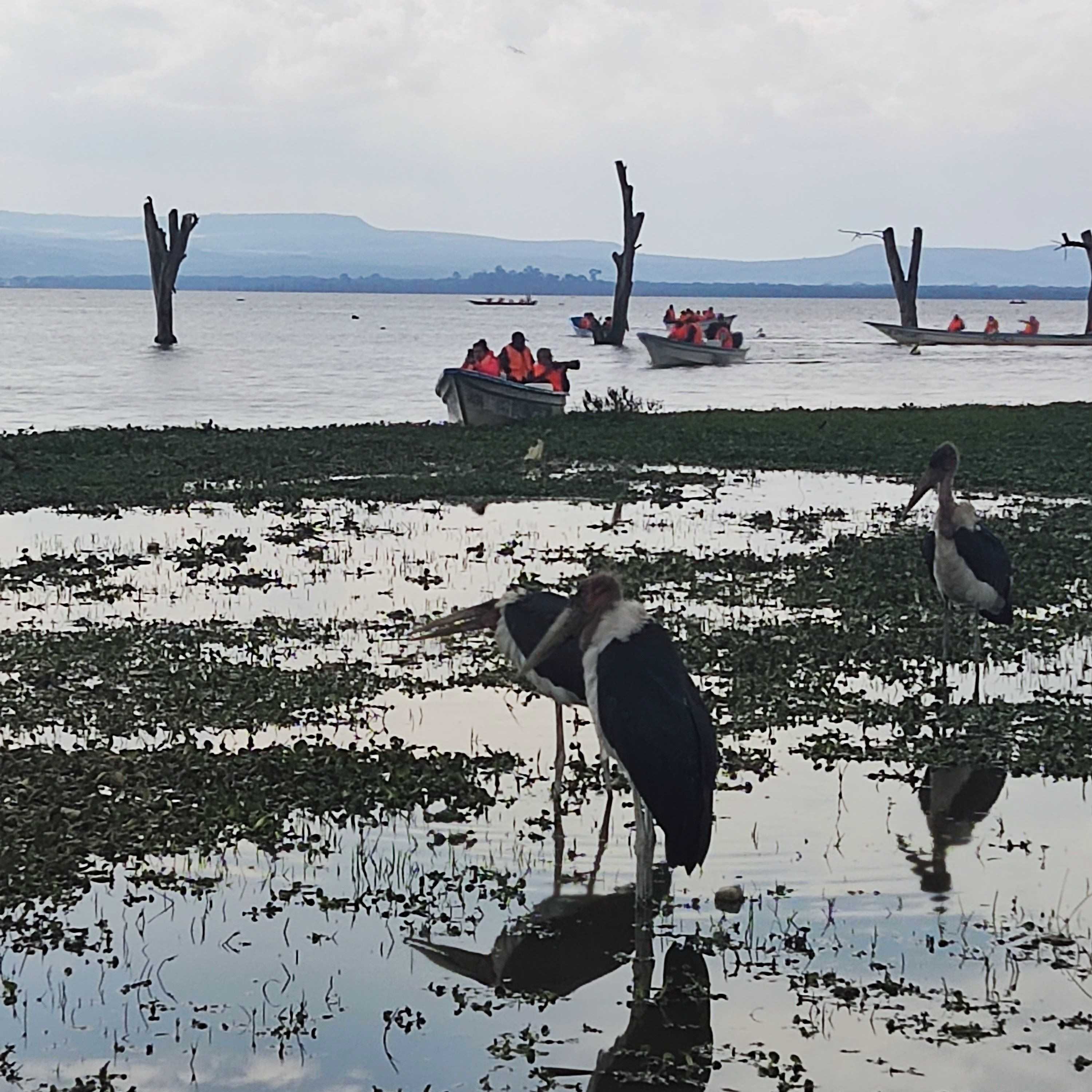
Nanyuki borders world-famous wildlife habitats, including Ol Pejeta Conservancy and the Mount Kenya National Reserve. Properties located along historical wildlife migratory routes experience seasonal visits from elephants, buffalos, and zebras. In countryside enclaves like Burguret and Sweetwaters, installing high-specification solar-powered electric game fencing is essential to protect residential gardens and domestic animals.
6. Verified Transaction Cost Schedule
When planning your acquisition budget in Nanyuki, factor in the statutory taxes and professional fees associated with Kenyan conveyancing:
Typical Buyer Acquisition Costs
1. Stamp Duty: Payable to the Kenya Revenue Authority (KRA) based on a formal valuation by the government valuer. The statutory rate is 2% of market value for agricultural land outside municipalities and 4% for urban leasehold parcels.
2. Legal Conveyancing Fees: Governed by the Advocates (Remuneration) Order. Standard professional legal fees range from 1% to 2% of the purchase price (plus 16% VAT), subject to statutory minimums.
3. Surveyor Fees: Typically KES 15,000 to KES 35,000 for standard beacon relocation and confirmation on parcels up to 5 acres.
4. Registration Fees: Statutory title registration and deed issuance fees paid at the Ministry of Lands (typically KES 500 to KES 2,500 per document).
Key Takeaways
- 01.Always obtain an official Certificate of Search (Form LRA 35) from the physical Nanyuki Lands Registry before paying any deposit.
- 02.Hire a licensed surveyor to locate physical corner beacons against the official Registry Index Map (RJM); never trust boundary fences alone.
- 03.Securing Land Control Board (LCB) consent is a non-negotiable statutory requirement for all freehold agricultural land.
- 04.Investigate soil conditions: building on black cotton soil requires engineered raft foundations that increase substructure costs.
- 05.Budget approximately 5% to 7% of the purchase price above the agreed land cost to cover Stamp Duty, legal fees, surveyor costs, and statutory registrations.
7. Critical Questions to Ask Before Signing
Before instructing your lawyer to release a deposit, demand clear written answers to these practical questions:
1. Is the title deed held free of all bank encumbrances, court cautions, or family caveats?
2. Are all physical beacons clearly identified and confirmed by an independent surveyor against the mutation plan?
3. Is the parcel connected to NAWASCO water, or what is the verified depth and yield of nearby boreholes?
4. What are the estate rules, monthly management charges, and building restrictions if the parcel is within a gated scheme?
5. Is there a legally gazetted, all-weather road of access connecting the parcel to the main public highway?
Conclusion: Protect Your Investment With Independent Guidance
Nanyuki offers an exceptional quality of life and dependable long-term property value. By respecting the legal conveyancing process, verifying physical boundaries on the ground, and partnering with registered professionals, you can secure your piece of the Mount Kenya landscape with complete confidence across The Highlands.
For accompanied site viewings, verified property listings, and independent due diligence support in Nanyuki, connect with our team at Zuri Estates Contact.
Verified Sources & References
Official & Peer ReviewedMinistry of Lands and Physical Planning (Land Registration Act 2012)
“Statutory requirements governing official certificate of search issuance (Form LRA 35), registry folios, and title deed verification.”
Land Control Act Cap 302 (Agricultural Land Consent Procedures)
“Statutory mandate requiring formal Land Control Board (LCB) consent for all controlled transactions involving agricultural land in Kenya.”
Law Society of Kenya (LSK) Conveyancing Practice Standards
“Standard professional guidelines for advocates handling real estate transfers, stakeholder escrow accounts, and deposit release conditions.”
Water Resources Authority (WRA) Ewaso Nyiro Basin Regional Office
“Groundwater abstraction permits, hydrogeological survey protocols, and river riparian setbacks in Laikipia County.”

Antony Baragu
Real estate strategist
Antony specializes in strategic acquisitions across Nairobi's most established residential enclaves, including Kilimani, Kileleshwa, and Westlands. His analytical approach and detailed understanding of off-plan developments assist buyers and investors in evaluating property specifications, payment structures, and market timing.
Zuri Estates Team
Property Advisory & Client Coordination
This article has been reviewed by Zuri Estates Team to ensure the accuracy, completeness, and validity of all market metrics, property details, and investment guidance.
Related Residences, Developments & Neighbourhoods

NANYUKI · THE HIGHLANDS
The Gathering Family Villa at Rivera
Three-bedroom family villa featuring ground-floor guest ensuite, domestic staff quarters, and garden void.

NANYUKI · THE HIGHLANDS
The Gathering Premium Villa at Rivera
Extended three-bedroom villa with upstairs family lounge, staff quarters, and deep-set viewing balconies.

Nanyuki · Nanyuki River, off Nanyuki-Nyeri Highway, Nanyuki, Laikipia County, Kenya
Rivera Villas Nanyuki
An exclusive master-planned enclave of 54 contemporary riverfront villas along the Nanyuki River, featuring a wellness clubhouse, heated pool, deer park, and panoramic Mount Kenya views.

Kilimani · Kirichwa Road, off Argwings Kodhek Road, Kilimani, Nairobi, Kenya
Belmont Residency
A landmark 30-storey mixed-use vertical community on Kirichwa Road uniting hotel-grade residences, a 6,000 sqm retail mall, and panoramic rooftop leisure.