How to Buy an Apartment in Nairobi: Step-by-Step Guide
The master checklist for buying a Nairobi apartment: developer vetting, Sectional Properties Act 2020 titles, payment milestones, and snagging.

Buying an apartment in Nairobi represents one of the most significant financial commitments an individual or family will ever make. Whether acquiring a high-yield studio in Kilimani, a luxury family duplex in Westlands, or an executive residence in Kileleshwa, navigating the Kenyan apartment purchasing process requires a clear, methodical understanding of legal, financial, and construction realities.
With the passage of the Sectional Properties Act 2020, Kenya fundamentally modernized its apartment ownership framework, eliminating historical ambiguities associated with 99-year developer subleases. However, realizing the benefits of this legal protection depends on following a rigorous step-by-step due diligence sequence.
The Sectional Title Advantage
Under the Sectional Properties Act 2020, apartment buyers no longer receive an ambiguous sublease issued by a developer-controlled management company. You are legally entitled to an authentic Certificate of Sectional Title issued directly by the Ministry of Lands, confirming individual unit ownership plus an undivided share of the common property.
The Seven Stages of Purchasing a Nairobi Apartment
To ensure a seamless, legally protected transaction, every buyer should follow these seven essential stages:
Stage 1: Establish Your Complete Budget. Calculate your full acquisition cost beyond the advertised purchase price. Prudent buyers budget an additional 5% to 7% for statutory costs including Stamp Duty (4% of valuation), legal conveyancing fees (1% to 2% + VAT under the Advocates Remuneration Order), valuation fees, and utility connection charges.
Stage 2: Developer Due Diligence and Background Verification. Before signing any document or paying a booking fee, research the developer's track record. Visit their completed past projects, inspect construction quality, verify architectural and NEMA EIA licenses, and check that the developer holds unencumbered title to the project land.
Stage 3: Offer Letter and Booking Deposit. Once you select a unit, you will receive a formal Letter of Offer outlining unit specifications, purchase price, and payment terms. Standard market practice involves paying a refundable booking deposit (typically KSh 100,000 to KSh 500,000) while the advocate prepares the contract.
Stage 4: Legal Review of the Agreement for Sale. Never sign a developer's standard Agreement for Sale without independent legal review by your own conveyancing advocate. Ensure the contract includes clear completion timelines, defined defect liability periods, penalty clauses for developer delays, and an escrow milestone payment schedule for off-plan builds.
Stage 5: Milestone Payments or Mortgage Drawdowns. For off-plan purchases, payments must be tied to verified construction milestones verified by an independent architect or project quantity surveyor, rather than arbitrary calendar dates.
Stage 6: Pre-Handover Inspection and Snagging Checklist. Before accepting keys and signing the final handover certificate, conduct a comprehensive snagging inspection. Test all plumbing fixtures, electrical points, window mechanisms, tile grouting, and water pressure. Document all defects in writing for the developer to rectify within the defect liability period.
Stage 7: Registration of Sectional Title Deed. The developer lodges the approved sectional survey plan at the Ministry of Lands. Upon payment of stamp duty, your independent Certificate of Sectional Title is registered, and you are enrolled as a voting proprietor in the Sectional Management Corporation.
Apartment Acquisition Financial Framework
Crucial Red Flags Every Apartment Buyer Must Avoid
Maintain vigilance against common apartment buying risks in the Nairobi market:
- Developer-Biased Contracts: Reject agreements that forfeit your entire deposit if completion is delayed, or that lack explicit completion date commitments.
- Unapproved Floor Extensions: Verify that the developer built the exact number of floors authorized in the county planning and NEMA approval letters. Excess floors can lead to zoning disputes or court injunctions.
- Unrealistic Service Charges: Scrutinize the service charge budget. An artificially low service charge will lead to rapid building degradation once elevators, backup generators, and swimming pools require professional servicing.

Related Residences, Developments & Neighbourhoods

KILELESHWA · 5 VIHIGA ROAD, KILELESHWA, NAIROBI
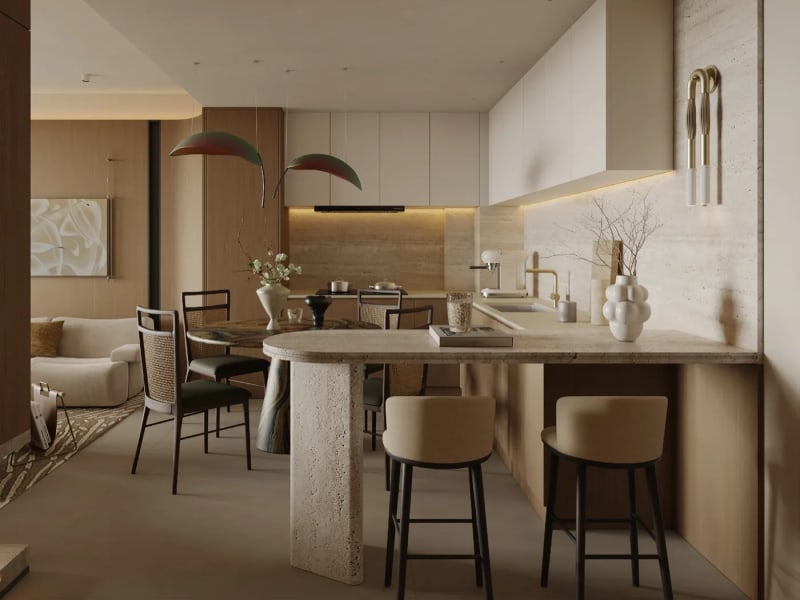
Belgravia Place 3-Bedroom + Mini-Studio Signature Residence (163 sqm)
Flagship 163 sqm corner residence with dual living terraces and autonomous mini-studio
KILELESHWA · 5 VIHIGA ROAD, KILELESHWA, NAIROBI
Belgravia Place 2-Bedroom + Mini-Studio Residence (135–143 sqm)
Innovative 135 to 143 sqm dual-key ready configuration with independent mini-studio

Kileleshwa · 5 Vihiga Road, Kileleshwa, Nairobi
Belgravia Place
Refined 1, 2 and 3-bedroom residences with rooftop padel court and heated sky pool

Lavington · Quiet Gated Court, Lavington, Nairobi, Kenya
Lavington Luxury Villas
Distinguished 5-bedroom luxury villas spanning 6,000 sq ft with private pools and landscaped gardens.
Nairobi Suburb
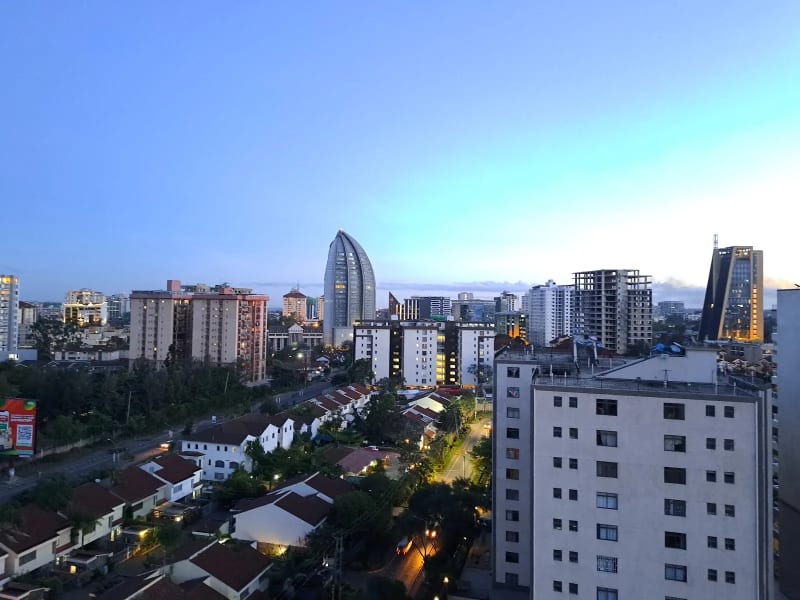
Kilimani
Nairobi's vibrant apartment district with exceptional rental demand and investment potential.

Nairobi Suburb
Runda
Prestigious Embassy Living in a Secure Garden Suburb

Nairobi Suburb
Kitisuru
Exclusive Green Living with Luxury Homes & Privacy


