Is Property Investment in Nanyuki Worth It? Rental Demand, Growth Drivers and Risks
A disciplined financial evaluation of Nanyuki property. Examining safari tourism, BATUK tenant demand, holiday let occupancy, net yields, and market risks.
In Kenyan real estate circles, Nanyuki is frequently promoted as an effortless wealth generator. Marketing brochures promise that buying a plot or building a safari cottage in the shadow of Mount Kenya will deliver instant 20% annual rental returns and guaranteed double-digit capital appreciation.
While Nanyuki property does possess genuine, resilient appeal, smart investors recognize that real estate is never simple money. A successful property investment in Nanyuki depends entirely on understanding specific tenant demographics, seasonal occupancy patterns, operating expense ratios, and micro-location trade-offs.
In this guide, we conduct a disciplined financial evaluation of Nanyuki's property market. We analyze the underlying demand drivers, model realistic net operating income (NOI) across different rental strategies, and highlight the critical risks every prospective investor must weigh.
1. The Three Economic Anchors of Nanyuki
Unlike speculative rural satellite towns that depend solely on buyer hype, Nanyuki's property market is supported by three durable economic pillars:
A. World-Class Wildlife Conservancies & Tourism
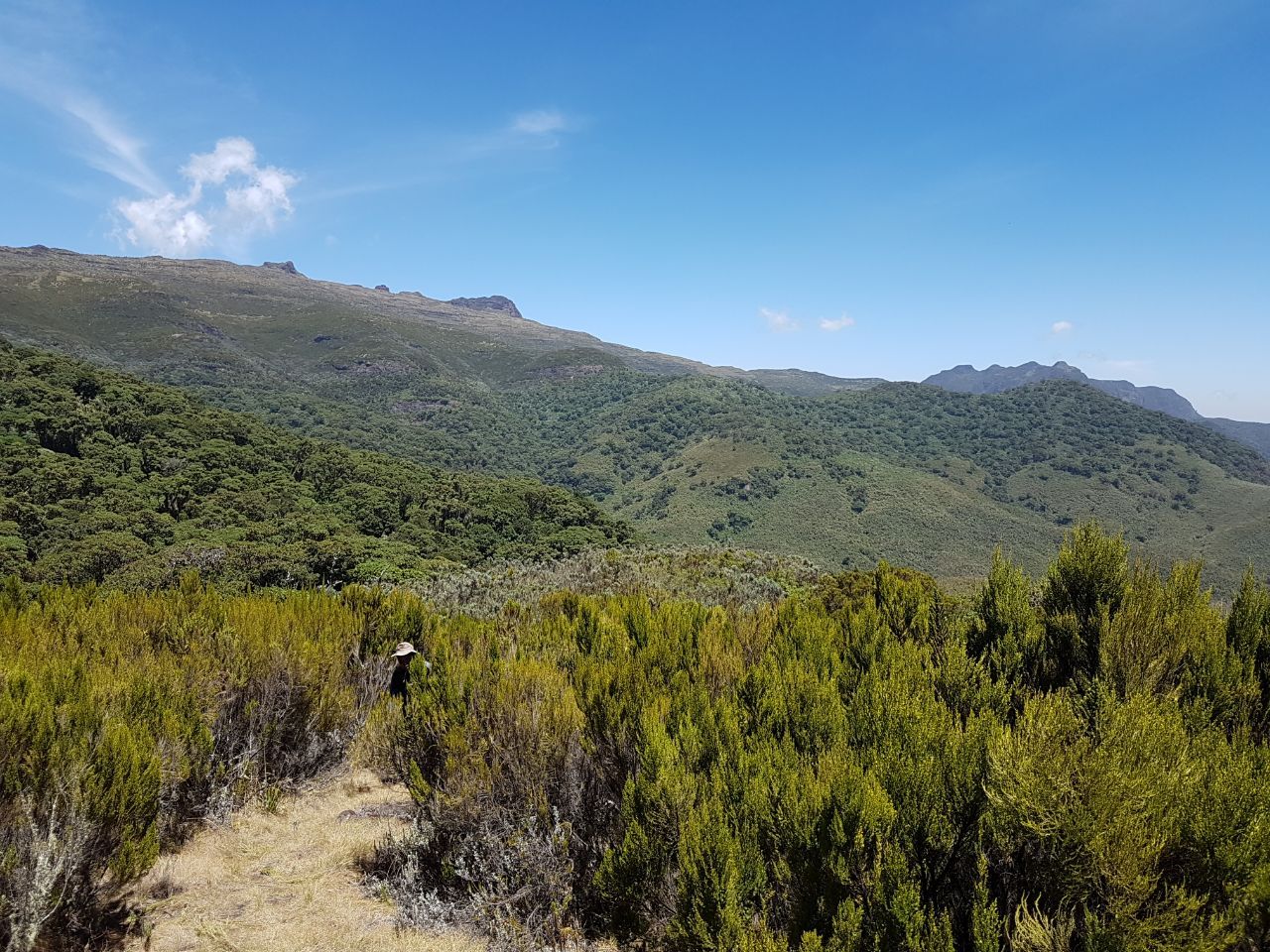
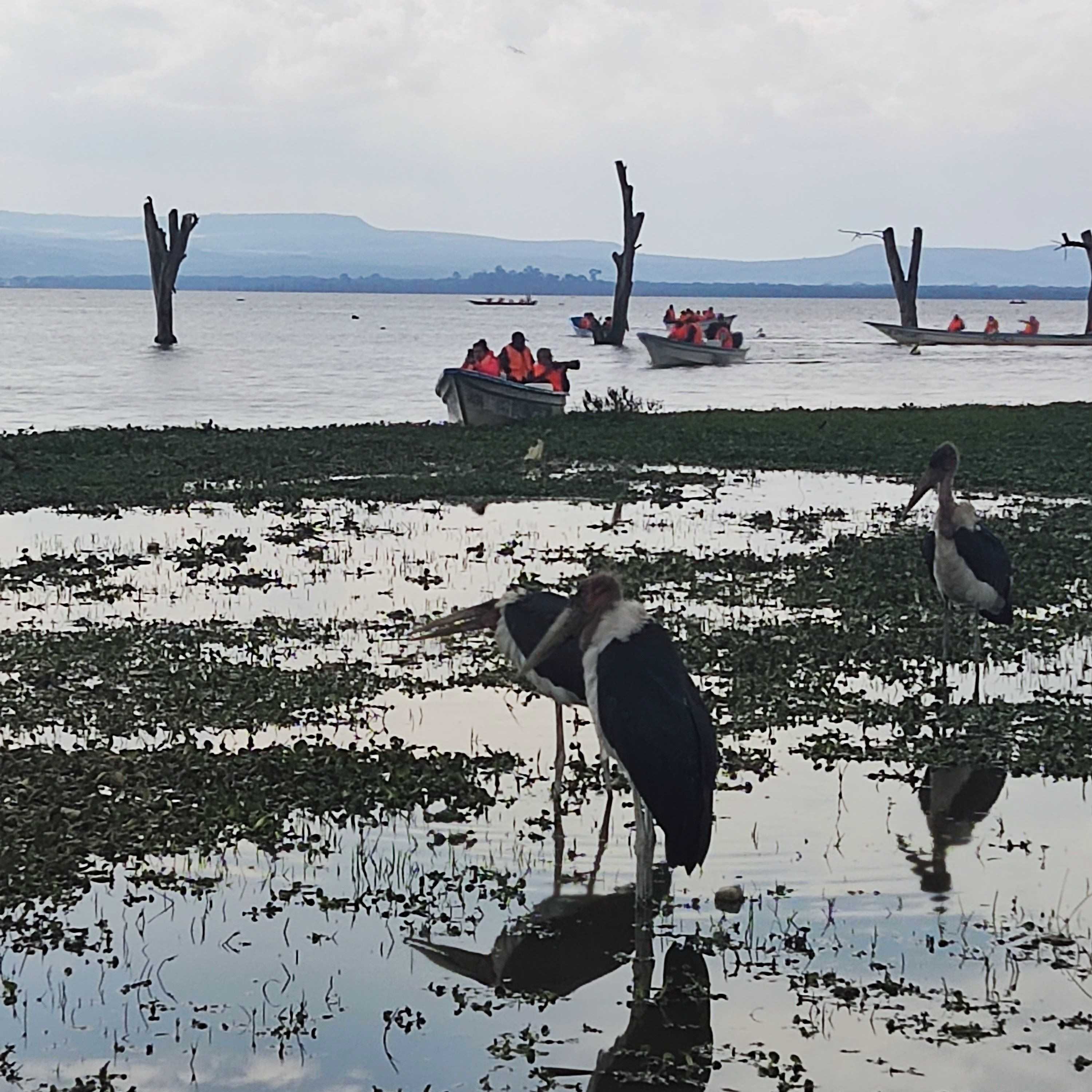
Nanyuki is the undisputed safari gateway to northern Kenya. Surrounded by iconic conservancies including Ol Pejeta (home to the world's last northern white rhinos), Lewa Wildlife Conservancy, Borana, and Mount Kenya National Park, the region attracts affluent international eco-tourists and domestic safari lovers year-round. This establishes a steady foundation for well-positioned holiday cottages, boutique eco-lodges, and short-stay homes.
B. Institutional & Military Tenant Demand (BATUK)
The permanent presence of the British Army Training Unit Kenya (BATUK) at the Nanyuki Showground and Nyati Barracks injects significant foreign currency directly into the local economy. Military personnel, defense contractors, visiting logistics officers, and diplomatic staff require high-security, high-specification residential housing. Landlords with modern, secure 3 to 4-bedroom townhouses in controlled estates near town benefit from reliable, long-term corporate lease contracts paid in hard currency or stable local rates.
C. Expatriate, Conservation & Diaspora Capital
Nanyuki has long supported a cosmopolitan community of international conservation directors, safari outfitters, retired professionals, and Kenyans living in the diaspora. This demographic values clean air, equestrian facilities, high-end private education (such as Braeburn International School Nanyuki), and scenic privacy. Their ongoing presence creates stable liquidity for high-quality country homes and managed acreage.
Nanyuki Investment Performance Metrics
2. Short-Term Holiday Letting vs Long-Term Residential Leasing
Investors evaluating residential property in Nanyuki typically choose between two operational models. Both carry distinctly different revenue and management characteristics:
Model 1: Short-Term Holiday Rentals (Airbnb / Safari Cottages)
Furnished holiday cottages can command attractive gross night rates: KES 15,000 to KES 25,000 per night for a 3-bedroom country home, and upwards of KES 35,000 per night for a luxury villa with direct Mount Kenya views and a swimming pool.
However, short-stay hosting is an active hospitality business, not passive income. Occupancy in Nanyuki is highly seasonal, peaking during the international safari dry seasons (July to September and December to February) and long Kenyan holiday weekends, but dropping sharply during the April-May rainy season. Furthermore, operating expenses (18% for professional management, cleaning, utility power, water, Wi-Fi, and marketing) consume 35% to 45% of gross revenue.
Model 2: Long-Term Residential Leasing
Renting an unfurnished home on an annual lease to a corporate tenant, conservation specialist, or military family generates lower gross revenue but far greater predictability. A modern 3-bedroom home in a secure development rents for KES 60,000 to KES 110,000 per month. Operating expenses are minimal (5% to 8% for basic agency oversight and routine maintenance), tenant turnover is low, and cash flow remains steady regardless of weather or tourist cycles.
Yield Underwriting Rule
Never evaluate a Nanyuki rental property on peak holiday weekend rates alone. Always calculate annual net operating income (NOI) using a conservative 38% to 45% annualized occupancy rate.
3. Financial Modelling: Gross Yield vs Net Operating Income
To understand why promotional brochures are misleading, let us examine a realistic financial model for a newly built 3-bedroom country cottage in Nanyuki costing KES 22,000,000 (including land, construction, furnishings, and connection fees):
The Promotional Developer Calculation (Overly Optimistic)
- Nightly Rate: KES 22,000
- Assumed Occupancy: 65% (237 nights/year)
- Projected Gross Revenue: KES 5,214,000
- Advertised Gross Yield: 23.7% (Completely unrealistic)
The Disciplined Zuri Estates Real-World Underwriting
- Nightly Rate: KES 20,000 (weighted average accounting for mid-week discounts)
- Realistic Annual Occupancy: 42% (153 nights/year)
- Actual Gross Annual Revenue: KES 3,060,000
- Less Operating Expenses:
- Professional property management (18%): KES 550,800
- Utilities (solar maintenance, backup power, water, internet): KES 280,000
- Cleaning, laundry, consumables, and upkeep: KES 220,000
- Routine maintenance reserve (5%): KES 153,000
- Residential Rental Income Tax (MRI @ 1.5% of gross): KES 45,900
- Net Operating Income (NOI): KES 1,810,300
- Actual Net Cash Yield: 8.22%
An 8.2% net cash yield in hard currency or strong local shillings, coupled with moderate long-term land value appreciation, represents a solid, defensible property investment. However, expecting 20%+ net returns will lead to bitter disappointment.
4. Critical Investment Risks in Nanyuki
Investors must recognize and mitigate four major risk factors before deploying capital in Nanyuki:
The Speculative Subdivision Trap
Dozens of speculative land brokers sell eighth-acre plots 30 to 45 kilometres outside Nanyuki town in arid scrubland with no water, no electricity, and unpassable roads during rain. These plots have zero rental tenant demand and virtually no secondary resale liquidity. Avoid cheap speculative schemes and invest in established corridors like Burguret or Muthaiga.
High Off-Grid Operating Costs
Properties in countryside pockets like Daiga or Mukima often lack municipal water and grid electricity. Installing a dependable solar power system with lithium batteries, drilling a borehole, and building rainwater harvesting cisterns can add KES 3,000,000 to KES 6,000,000 to initial capital outlay.
Market Concentration & Seasonality
Holiday lets in Nanyuki are exposed to macroeconomic travel shocks, election-year domestic travel dips, and seasonal rainfall. Investors who rely on short-term rentals must maintain a six-month cash buffer to cover fixed staff and maintenance costs during low-occupancy months.
Key Takeaways
- 01.Nanyuki's real estate demand is sustained by three distinct pillars: wildlife conservancy tourism, the British military (BATUK) presence, and an affluent expatriate/diaspora community.
- 02.Short-stay holiday lets can generate 7% to 10.5% net yields, but require active hospitality management and experience seasonal occupancy swings.
- 03.Long-term residential leases to corporate and defense families deliver 5.5% to 7.5% net yields with minimal management friction and steady monthly cash flow.
- 04.Always underwrite holiday rentals using realistic annual occupancy (38% to 45%) rather than peak weekend figures.
- 05.Avoid speculative eighth-acre plots in remote arid plains; focus on proven residential corridors with verified water access across The Highlands.
Conclusion: The Verdict on Nanyuki Property
Is property investment in Nanyuki worth it? Yes: for buyers who take a disciplined, long-term approach. If you purchase well-located land in proven corridors like Burguret, Muthaiga, or Mukima, build durable architecture suited to the alpine climate, and model realistic net yields, Nanyuki offers exceptional lifestyle enjoyment and resilient capital preservation across The Highlands.
To review verified property listings, inspect title documents, or model custom investment scenarios in Nanyuki, contact the Zuri Estates Property Advisory Team.
Verified Sources & References
Official & Peer ReviewedTourism Research Institute Kenya (TRI) Annual Report
“Annual data on domestic safari travel numbers, international bed-night occupancy trends, and holiday home accommodation growth in Laikipia.”
Central Bank of Kenya (CBK) Diaspora Remittances Review
“Quarterly remittance inflows tracking capital allocations toward real estate and country home acquisition in rural and highland counties.”
Laikipia County Revenue Board Economic Bulletin
“County hospitality licensing records, single business permits for holiday homestays, and property valuation roll updates.”

Antony Baragu
Real estate strategist
Antony specializes in strategic acquisitions across Nairobi's most established residential enclaves, including Kilimani, Kileleshwa, and Westlands. His analytical approach and detailed understanding of off-plan developments assist buyers and investors in evaluating property specifications, payment structures, and market timing.
Zuri Estates Team
Property Advisory & Client Coordination
This article has been reviewed by Zuri Estates Team to ensure the accuracy, completeness, and validity of all market metrics, property details, and investment guidance.
Related Residences, Developments & Neighbourhoods

NANYUKI · THE HIGHLANDS
The Gathering Family Villa at Rivera
Three-bedroom family villa featuring ground-floor guest ensuite, domestic staff quarters, and garden void.

NANYUKI · THE HIGHLANDS
The Gathering Premium Villa at Rivera
Extended three-bedroom villa with upstairs family lounge, staff quarters, and deep-set viewing balconies.

Nanyuki · Nanyuki River, off Nanyuki-Nyeri Highway, Nanyuki, Laikipia County, Kenya
Rivera Villas Nanyuki
An exclusive master-planned enclave of 54 contemporary riverfront villas along the Nanyuki River, featuring a wellness clubhouse, heated pool, deer park, and panoramic Mount Kenya views.

Kilimani · Kirichwa Road, off Argwings Kodhek Road, Kilimani, Nairobi, Kenya
Belmont Residency
A landmark 30-storey mixed-use vertical community on Kirichwa Road uniting hotel-grade residences, a 6,000 sqm retail mall, and panoramic rooftop leisure.