Living in Ngong: Hills, Highland Elevation, and Commuting to Nairobi
Experience life in Ngong: 2,000 meters altitude, wind turbine vistas, dual Ngong Road commute, SGR station, and spacious freehold family acreage.

Standing atop the wind-swept ridges of the Ngong Hills, the panoramic vista is breathtaking. To the east, the sprawling skyline of Nairobi gleams under the equatorial sun. To the west, the land drops dramatically into the Great Rift Valley, an immense expanse of volcanic craters, acacia trees, and distant horizons.
Ngong Town, situated at an altitude of approximately 2,000 meters above sea level, has transformed from a historic colonial trading post and pastoral outpost into one of the most desirable highland residential havens in the Nairobi Metropolitan Area. It appeals directly to executives, professionals, and families seeking clean mountain air, expansive freehold plots, and direct highway connectivity.
Highland Climate Advantage
At 2,000 meters elevation, Ngong enjoys refreshing, crisp mountain air and daytime temperatures averaging between 18 and 24 degrees Celsius. It avoids the oppressive heat and dust of the lower plains, creating an ideal microclimate for outdoor living and lush gardens.
The Infrastructure Revolution: Ngong Road and the SGR
The defining factor behind Ngong's residential boom has been the comprehensive modernizing of transport infrastructure:
- The Multi-Phase Ngong Road Dualling: Funded through Kenyan and Japanese international partnerships, Ngong Road was transformed from a narrow, choked single-lane bottleneck into a world-class dual carriageway. Motorists enjoy smooth grade-separated interchanges, dedicated bus bays, and synchronized smart traffic signals connecting Ngong Town directly to Karen, Kilimani, and the CBD.
- Standard Gauge Railway (SGR) Ngong Station: Ngong hosts a modern passenger SGR station, enabling residents to access Nairobi Terminus at Syokimau or travel down to Mombasa in comfort without encountering highway traffic.
- Western Bypass Links: Connecting through Karen and Dagoretti into the Western Bypass, granting Ngong residents fast 30-minute access to Westlands and Gigiri.
Ngong Lifestyle Highlights
Residential Neighborhoods across Ngong
Ngong offers distinct residential zones suited for different lifestyle aspirations and budgets:
1. Matasia and Olkeri: Situated between Karen and Ngong Town. Features serene gated communities, lush wooded compounds, and custom family townhouses favored by corporate executives.
2. Kibiko: Located west of Ngong Town on the upward slopes leading towards the hills. Known for red volcanic loam soils, sweeping views of the wind turbine park, and spacious quarter, half, and full-acre residential parcels.
3. Ngong Town Center and Juanco: High-density commercial and apartment nodes offering strong rental yields from professionals, teachers, and young families commuting to Nairobi.
4. Kimuka and Sunset Strip: Located along the scenic bypass towards Suswa, offering affordable land entry prices and expansive ranch-style living for second-home builders.
Acreage and Titling Peace of Mind
Parcels in Ngong carry clean freehold title deeds under the Ngong Land Registry. Homeowners enjoy the freedom of designing custom architectural homes without burdensome developer restrictions while benefiting from established resident associations.
Schools, Recreation, and Daily Living
Daily life in Ngong is supported by exceptional educational and social amenities. Prestigious international schools in nearby Karen (including Hillcrest International, Brookhouse Karen, and Nairobi Academy) are just a 15 to 20-minute drive down the dual carriageway.
On weekends, residents enjoy hiking and trail running along the famous seven peaks of the Ngong Hills Forest Reserve, horseback riding, and dining at local country restaurants. Modern supermarkets including Naivas, Quickmart, and modern shopping centers provide complete urban convenience.

Related Residences, Developments & Neighbourhoods

KILELESHWA · 5 VIHIGA ROAD, KILELESHWA, NAIROBI
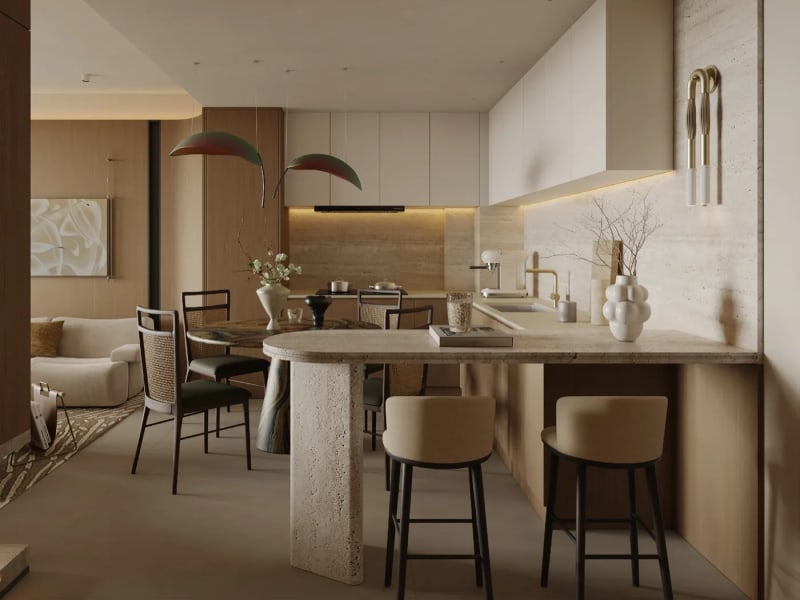
Belgravia Place 3-Bedroom + Mini-Studio Signature Residence (163 sqm)
Flagship 163 sqm corner residence with dual living terraces and autonomous mini-studio
KILELESHWA · 5 VIHIGA ROAD, KILELESHWA, NAIROBI
Belgravia Place 2-Bedroom + Mini-Studio Residence (135–143 sqm)
Innovative 135 to 143 sqm dual-key ready configuration with independent mini-studio

Kileleshwa · 5 Vihiga Road, Kileleshwa, Nairobi
Belgravia Place
Refined 1, 2 and 3-bedroom residences with rooftop padel court and heated sky pool

Lavington · Quiet Gated Court, Lavington, Nairobi, Kenya
Lavington Luxury Villas
Distinguished 5-bedroom luxury villas spanning 6,000 sq ft with private pools and landscaped gardens.
Nairobi Suburb
Kilimani
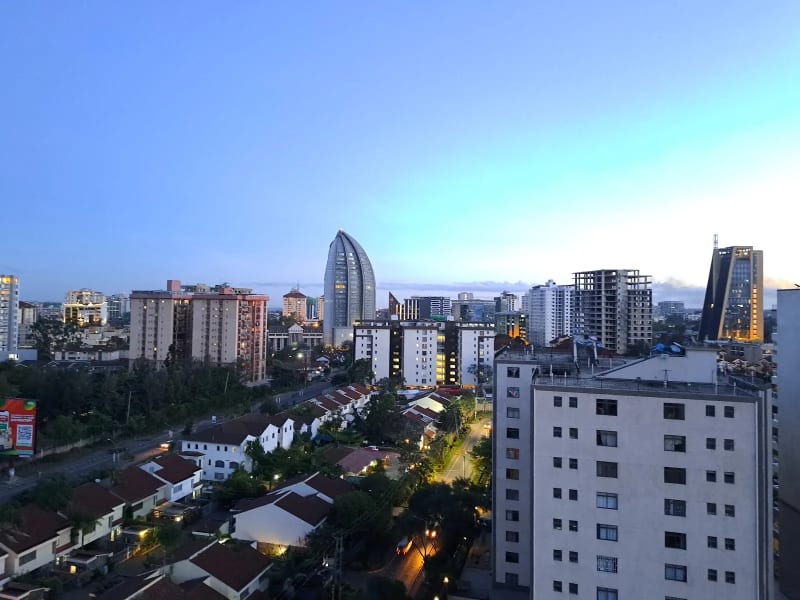
Nairobi's vibrant apartment district with exceptional rental demand and investment potential.

Nairobi Suburb
Runda
Prestigious Embassy Living in a Secure Garden Suburb

Nairobi Suburb
Kitisuru
Exclusive Green Living with Luxury Homes & Privacy


