Maintaining Coastal Property in Kenya: Overcoming Salt Air, Humidity, and Makuti Roofing
The ultimate property maintenance playbook for coastal Kenya: marine-grade hardware, humidity mitigation, makuti thatch care, and termite prevention.

Owning a whitewashed villa surrounded by frangipani blossoms and turquoise sea breezes is the quintessential coastal dream. However, the tropical marine environment of Kenya's coast is unrelenting. High ambient humidity, airborne saline mist, intense equatorial ultraviolet radiation, and wood-boring insects test every building material.
A property that looks pristine upon completion can suffer severe finish degradation within 24 months if not designed and maintained with coastal-specific technical knowledge. Whether managing a beachfront holiday villa in Malindi or a residential apartment in Nyali, a proactive maintenance protocol protects both capital value and guest review ratings.
The Marine Material Standard
Never use standard zinc-plated or mild steel hardware in coastal construction. Exterior fittings, screws, and hinges must be fabricated from 316-grade marine stainless steel, solid brass, or anodized powder-coated aluminium to prevent catastrophic corrosion.
Tackling Salt Spray and Atmospheric Corrosion
Airborne salt mist carries microscopic sodium chloride particles deep into building assemblies, corroding structural metals and etching glass surfaces:
- Electrical Distribution Protection: Salt air infiltrates switchboards and circuit breakers, causing terminal oxidation and electrical arcing. All distribution boards should be housed in IP65 weatherproof enclosures and treated periodically with dielectric anti-corrosion contact spray.
- Air Conditioning Condensers: Standard outdoor AC coils deteriorate within two years of direct salt exposure. Specify marine-treated 'blue-fin' or 'gold-fin' anti-corrosion coated condenser coils, and wash external units with fresh water monthly.
- Windows and Glazing: Window sliding mechanisms must utilize heavy-duty nylon rollers and marine-grade tracks. Wipe exterior glass regularly with clean water to prevent salt crystals from permanently etching the pane surface.
Makuti Thatched Roofing: Maintenance, Lifespan, and Fire Safety
Makuti, crafted from dried and woven fronds of the coconut palm (mnazi), is celebrated for its organic aesthetic and superior thermal insulation. A makuti roof keeps interior living spaces remarkably cool even in peak midday tropical heat.
However, makuti requires dedicated stewardship:
- Replacement Cycles: A quality makuti roof typically lasts between 4 and 7 years. Ridge caps and windward eaves degrade faster and require selective 'patching' every 24 to 36 months.
- Mangrove Pole Structure (Boriti): The timber framework supporting makuti is typically crafted from treated mangrove poles. Ensure boriti poles are treated with boron salts or copper naphthenate to prevent marine woodborer and drywood termite attack.
- Fire Retardant Application: Untreated dry makuti is highly flammable. Property owners should apply certified non-toxic chemical fire retardant coatings every two years and maintain cleared 5-meter chimney setbacks.
Coastal Maintenance Rule of Thumb
Managing Humidity, Mold, and Cross-Ventilation
Coastal humidity frequently hovers between 75% and 90%. In unventilated rooms, mold flourishes on upholstery, leather, and timber wardrobes within days. Architectural and mechanical prevention strategies include:
- Louvered Joinery: Use slatted louvered closet doors and high-level transoms that allow continuous natural airflow through cabinetry and unoccupied bedrooms.
- Moisture Absorption: In closed holiday homes, operate low-wattage dehumidifiers or set inverter air conditioners to 'dry' mode on automated timers.
- Permeable Exterior Finishes: Avoid non-breathable vinyl exterior paints that trap moisture behind plaster. Use breathable silicate or lime-based washes that allow coastal walls to breathe and evaporate moisture naturally.

Related Residences, Developments & Neighbourhoods

KILELESHWA · 5 VIHIGA ROAD, KILELESHWA, NAIROBI
Belgravia Place 3-Bedroom + Mini-Studio Signature Residence (163 sqm)
Flagship 163 sqm corner residence with dual living terraces and autonomous mini-studio
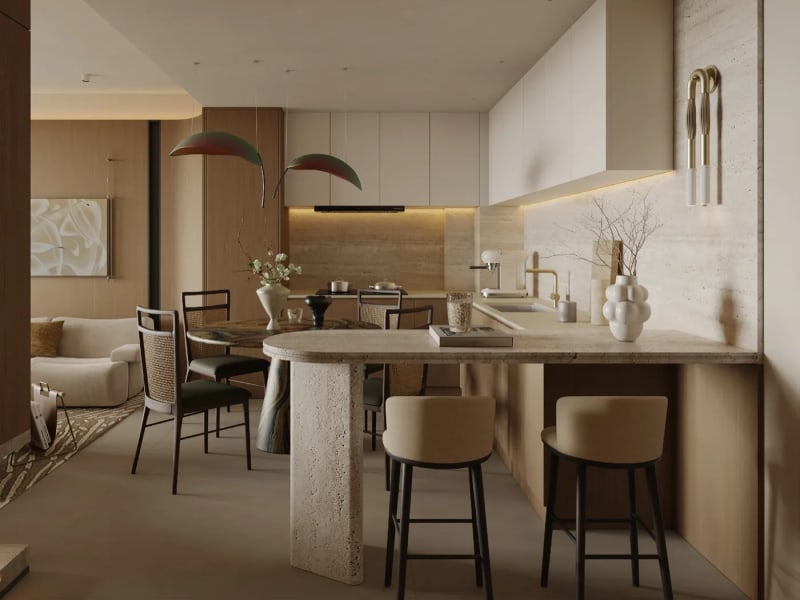
KILELESHWA · 5 VIHIGA ROAD, KILELESHWA, NAIROBI
Belgravia Place 2-Bedroom + Mini-Studio Residence (135–143 sqm)
Innovative 135 to 143 sqm dual-key ready configuration with independent mini-studio

Kileleshwa · 5 Vihiga Road, Kileleshwa, Nairobi
Belgravia Place
Refined 1, 2 and 3-bedroom residences with rooftop padel court and heated sky pool

Lavington · Quiet Gated Court, Lavington, Nairobi, Kenya
Lavington Luxury Villas
Distinguished 5-bedroom luxury villas spanning 6,000 sq ft with private pools and landscaped gardens.
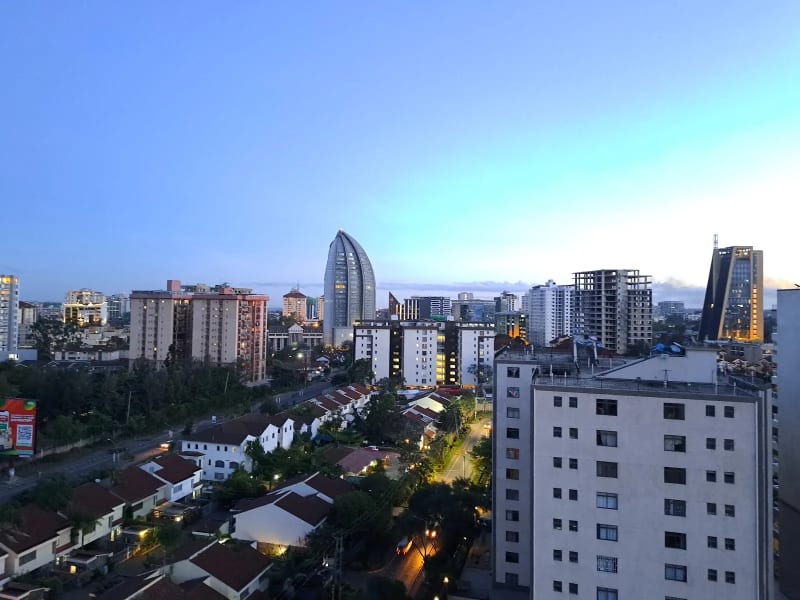
Nairobi Suburb
Kilimani
Nairobi's vibrant apartment district with exceptional rental demand and investment potential.

Nairobi Suburb
Runda
Prestigious Embassy Living in a Secure Garden Suburb

Nairobi Suburb
Kitisuru
Exclusive Green Living with Luxury Homes & Privacy


