Why Invest in Naivasha? Property Opportunities, Growth Drivers and Risks
Is Naivasha a sound property investment? An honest, evidence-backed evaluation of Rift Valley land, holiday homes, industrial drivers, and critical buyer risks.
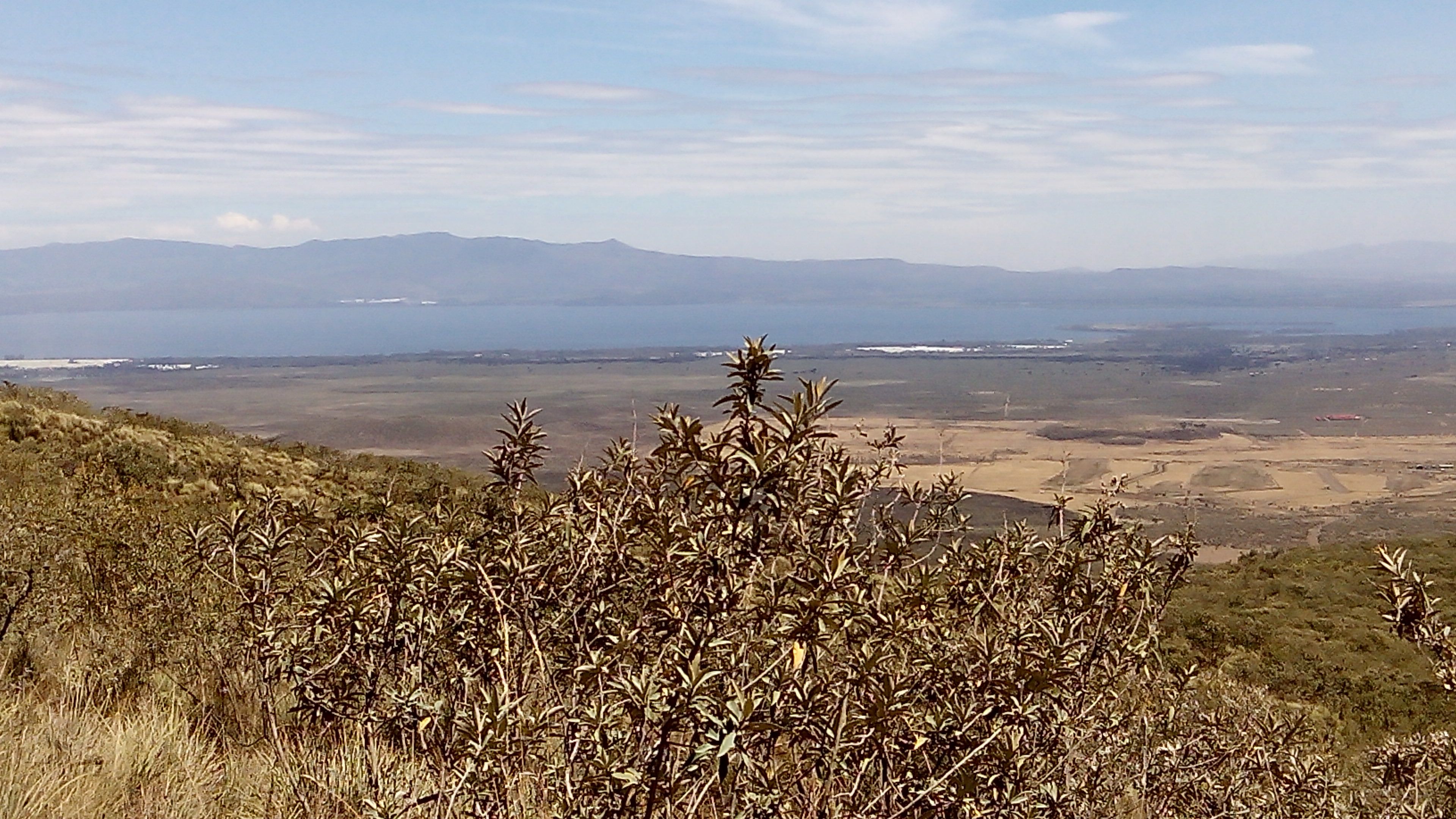
For decades, Naivasha was viewed primarily as Nairobi's weekend sanctuary: a scenic freshwater lake basin ninety minutes from the capital where city residents escaped for golf, boat rides, and country braais. While that leisure identity remains vibrant, Naivasha has quietly evolved into one of the most commercially consequential property corridors in Kenya.
Today, prospective buyers evaluating Naivasha property encounter a dynamic mix of opportunities: gated residential communities, holiday villa developments, serviced agricultural acreage, and industrial plots. However, successful investing requires looking past glossy marketing brochures and understanding the structural forces, micro-location realities, and serious physical risks that dictate property performance.
In this comprehensive guide, we examine the true economic drivers shaping property demand across Naivasha, evaluate the main residential typologies, and provide a disciplined due diligence framework for anyone considering buying land or a home in this Great Rift Valley destination.
1. Strategic Position: The Anchor of the Rift Valley Corridor
Geographically, Naivasha occupies a pivotal position at the southern floor of the Great Rift Valley, approximately 90 kilometres northwest of Nairobi at an altitude of 1,884 metres above sea level. This positioning gives it two decisive structural advantages: proximity to Kenya's primary commercial capital and direct frontage along the Northern Corridor (the A8 highway), which carries the overwhelming majority of freight moving between the Port of Mombasa, Western Kenya, Uganda, and the wider Great Lakes region.
Unlike purely speculative frontier markets, Naivasha is not an isolated rural outpost waiting for development. It already possesses established multi-modal transport links, including the Standard Gauge Railway (SGR) freight and passenger terminus at Mai Mahiu and direct highway access. This combination of manageable distance from Nairobi and national logistics importance anchors ongoing commercial and residential demand.
Naivasha Market & Geographic Indicators
2. The Four Pillars Driving Naivasha Real Estate Demand
Understanding property viability in Naivasha requires recognizing that demand does not stem from a single source. Instead, four distinct economic pillars support property utilization and capital growth across the sub-county:
Pillar A: Geothermal Clean Energy and Industrialization
The Olkaria geothermal fields south of Lake Naivasha generate over 800 megawatts of clean, renewable baseload electricity, making Kenya a global leader in geothermal energy. Through KenGen's Green Energy Park, industrial manufacturers, textile mills, fertilizer plants, and data centers are establishing operations in Naivasha to access cheap, uninterrupted baseload power directly at the source. This industrial expansion creates a growing pool of corporate executives, engineers, and technical professionals requiring mid-to-high specification family housing.
Pillar B: Global Floriculture and Agribusiness
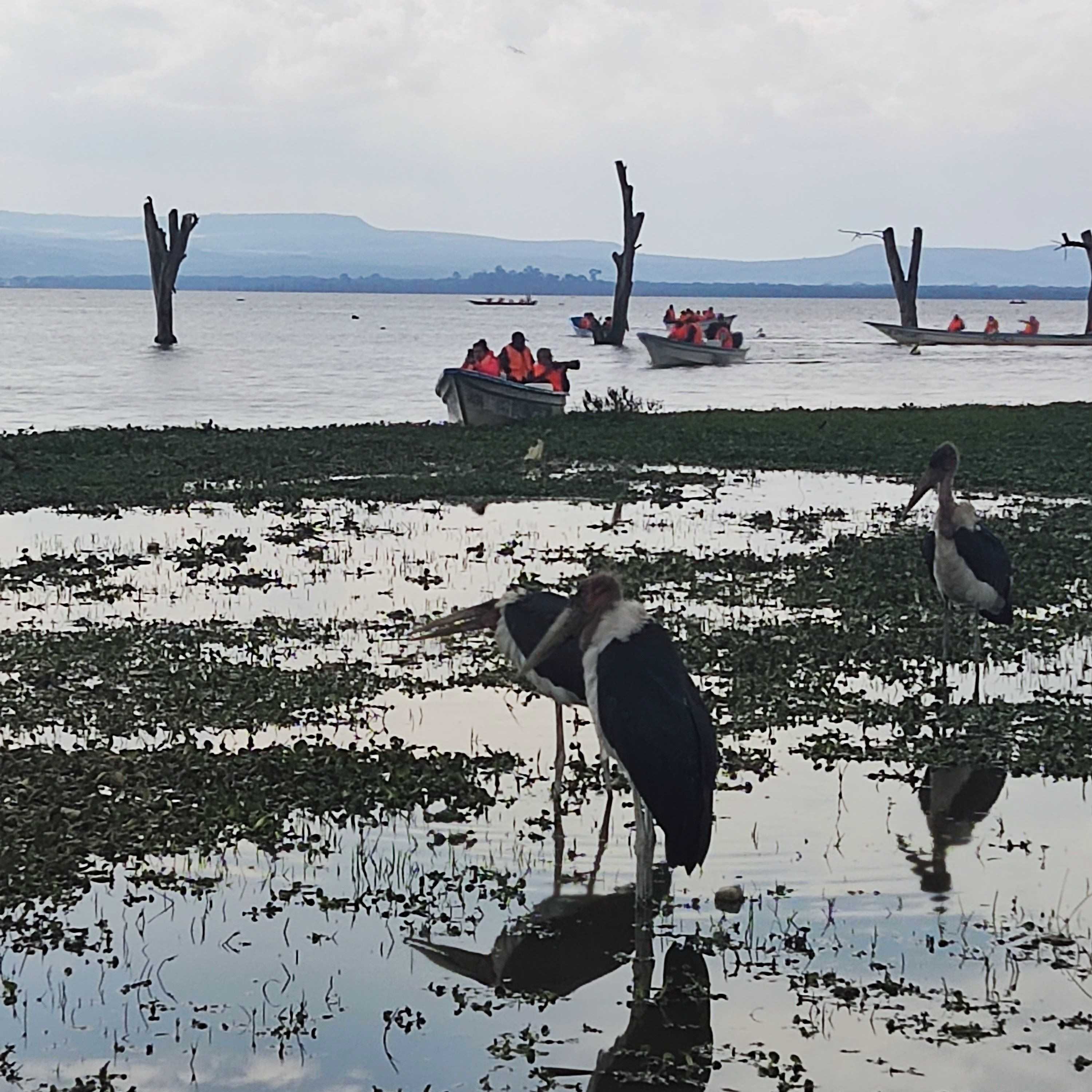
Lake Naivasha is the beating heart of Kenya's multi-billion-shilling horticulture export sector, producing approximately 70 percent of the nation's cut roses destined for European auctions. Large commercial enterprises, including Oserian, Finlays, and VP Group, employ tens of thousands of staff. While lower-income farm workers generate massive demand for high-density rental units in areas like Karagita, the farms also employ agronomists, cold-chain logistics directors, and international consultants who support middle-tier residential rentals and home purchases.
Pillar C: High-Frequency Weekend Tourism and Hospitality
Naivasha is Kenya's most dependable domestic weekend retreat. Established hospitality hubs along Moi South Lake Road, alongside championship golf facilities at the Great Rift Valley Lodge in Greenpark, ensure continuous weekend inflows. In addition, Naivasha hosts major international sporting events, such as the World Rally Championship (WRC) Safari Rally, alongside national medical and corporate conferences. This consistent visitor traffic underwrites high occupancy for well-designed short-stay holiday homes and serviced Airbnb cottages.
Pillar D: The Special Economic Zone (SEZ) and Logistics Node
The Mai Mahiu Special Economic Zone and Inland Container Depot (ICD) have positioned the southern gateway of Naivasha as a primary freight distribution node. As customs clearance and freight forwarding activities expand around the dry port, long-term commercial logistics demand is generating spillover residential needs for logistics personnel and transport operators.
Economic Resilience Note
Naivasha property demand does not collapse when leisure tourism dips, because industrial geothermal employment, export floriculture, and regional logistics provide three non-leisure economic pillars.
3. Primary Property Typologies and Buyer Suitability
Prospective investors must align their capital with the right property typology. A development designed for corporate executives will fail if built in an industrial worker enclave, while an off-grid holiday home will struggle if located too far from tourism amenities.
A. Gated Lifestyle Developments & Second Homes
Enclaves such as Greenpark (adjoining the Great Rift Valley Lodge) and planned country communities around Moi South Lake offer secure, managed environments with established infrastructure, tarmac access, golf facilities, and panoramic lake or valley views. These properties suit lifestyle buyers, retirees, and investors targeting affluent weekend holidaymakers. Plot prices typically range from KES 4.5M to KES 12M per half-acre, with finished country villas starting from KES 25M.
B. Peri-Urban Residential Land & Family Homes
Areas on the gentle slopes overlooking the town centre, such as Mirera and elevated pockets along Moi North Lake Road, appeal to local professionals, business owners, and commuters. These locations feature half-acre to one-acre parcels suitable for permanent family homes or low-density rental developments.
C. Workforce Residential Rental Units
High-density worker accommodation in nodes like Karagita and Mai Mahiu provides high occupancy rates driven by flower farm and industrial employees. However, this is an operationally intensive investment requiring robust tenant management, reliable private water provision, and strict rent-collection protocols. Returns can be healthy, but capital appreciation is generally slower than in prime lifestyle pockets.
4. Critical Investment Risks and Due Diligence Pitfalls
While the growth story is genuine, buying property in Naivasha involves specific environmental, geotechnical, and legal complexities that must be thoroughly investigated before committing funds:
Lake Naivasha Riparian Buffer Zone
Under Kenyan law and Water Resources Authority (WRA) regulations, land within the riparian reserve (measured from the designated high-water mark of Lake Naivasha) cannot be privately owned or developed with permanent buildings. Seasonal lake level fluctuations have inundated hundreds of illegally built structures. Never purchase waterfront land without a certified cadastral survey verifying the official riparian boundary.
Volcanic Ash Soils & Geotechnical Requirements
Large sections of the Naivasha basin feature loose volcanic ash, silt, and pockets of expansive black cotton soil. Constructing standard shallow strip footings on these soils frequently causes structural cracking and foundation failure. Always commission a professional geotechnical soil investigation and budget for reinforced raft or pad foundations.
Water Salinity and Borehole Testing
Municipal water distribution from NAIVAWASS does not cover every rural or peri-urban pocket. Many properties rely on private boreholes or community water schemes. Groundwater across the Rift Valley frequently carries high levels of dissolved minerals, specifically fluoride and salinity. Prospective buyers drilling boreholes must budget for commercial reverse-osmosis (RO) filtration systems if potable water is required for domestic or hospitality use.
Speculative Subdivisions Without Infrastructure
Dozens of speculative land-buying companies advertise cheap eighth-acre plots around Naivasha, claiming astronomical annual appreciation. Many of these schemes lack basic all-weather access roads, power lines, water connections, and individual title deeds. Buying un-serviced plots in remote scrubland often results in trapped capital with zero rental demand and negligible resale liquidity. Always review our guide on before you put your money down: property buyer checklist before signing any purchase contract.
Key Takeaways
- 01.Naivasha's property market is supported by four distinct pillars: geothermal energy, export floriculture, weekend conferencing tourism, and the Mai Mahiu logistics hub.
- 02.Waterfront and lakeside properties carry strict riparian boundary restrictions that must be verified by an independent licensed surveyor.
- 03.Volcanic soils require specialized geotechnical engineering and reinforced foundations to ensure building longevity.
- 04.Holiday rentals can generate strong gross yields, but net returns must account for seasonal occupancy, property management fees, and maintenance.
- 05.Never purchase speculative eighth-acre plots that lack registered freehold or leasehold title deeds, water supply, and legally deeded road access.
5. Calculating True Rental Yields: Gross vs Net Reality
Promotional flyers in Naivasha frequently advertise gross holiday rental yields of 18% to 22%. In reality, seasoned property owners underwrite far more conservative, sustainable figures. While a 3-bedroom furnished cottage can generate KES 20,000 to KES 35,000 per night during peak weekends, occupancy is rarely uniform throughout the year.
A realistic underwriting model assumes an average annualized occupancy of 35% to 45% (concentrated heavily on Friday-Saturday nights and public holidays). Deducting 18% for professional short-stay property management, 10% for utility and cleaning costs, 5% for ongoing maintenance, and 1.5% for residential rental income tax (MRI) yields a sustainable net cash return of 8% to 11.5% on capital invested. For a detailed breakdown of rental underwriting models, explore our comparison of Airbnb vs long-term rental performance.
Conclusion: How to Approach Naivasha Property With Confidence
Naivasha is a resilient, multi-layered property market with genuine economic fundamentals. It rewards disciplined investors who select prime micro-locations, respect environmental constraints, and build high-quality homes aligned with verifiable tenant demand.
Whether your objective is securing a tranquil country home, developing an executive holiday rental, or purchasing verified agricultural acreage across The Highlands, independent professional due diligence is non-negotiable. To discuss verified property opportunities and review on-site due diligence protocols, connect with our property advisory team through the Zuri Estates Contact Page.
Verified Sources & References
Official & Peer ReviewedKenya National Bureau of Statistics (KNBS) Economic Survey
“Macro-economic statistics on agricultural export values, floriculture employment numbers, and Rift Valley regional trade volume.”
Water Resources Authority (WRA) Riparian Buffer Guidelines
“Statutory definitions of freshwater lake riparian boundaries, seasonal high-water marks, and development restrictions around Lake Naivasha.”
Nakuru County Spatial Plan & CIDP
“Ten-year county physical planning guidelines governing land use zoning, municipal boundary expansion, and utility distribution in Naivasha sub-county.”
KenGen Geothermal Energy & Green Energy Park Master Plan
“Official project brief detailing installed geothermal capacity in Olkaria (over 800MW) and the allocation of manufacturing land within the green industrial park.”

Antony Baragu
Real estate strategist
Antony specializes in strategic acquisitions across Nairobi's most established residential enclaves, including Kilimani, Kileleshwa, and Westlands. His analytical approach and detailed understanding of off-plan developments assist buyers and investors in evaluating property specifications, payment structures, and market timing.
Zuri Estates Team
Property Advisory & Client Coordination
This article has been reviewed by Zuri Estates Team to ensure the accuracy, completeness, and validity of all market metrics, property details, and investment guidance.
Related Residences, Developments & Neighbourhoods

NANYUKI · THE HIGHLANDS
The Gathering Family Villa at Rivera
Three-bedroom family villa featuring ground-floor guest ensuite, domestic staff quarters, and garden void.

NANYUKI · THE HIGHLANDS
The Gathering Premium Villa at Rivera
Extended three-bedroom villa with upstairs family lounge, staff quarters, and deep-set viewing balconies.

Nanyuki · Nanyuki River, off Nanyuki-Nyeri Highway, Nanyuki, Laikipia County, Kenya
Rivera Villas Nanyuki
An exclusive master-planned enclave of 54 contemporary riverfront villas along the Nanyuki River, featuring a wellness clubhouse, heated pool, deer park, and panoramic Mount Kenya views.

Kilimani · Kirichwa Road, off Argwings Kodhek Road, Kilimani, Nairobi, Kenya
Belmont Residency
A landmark 30-storey mixed-use vertical community on Kirichwa Road uniting hotel-grade residences, a 6,000 sqm retail mall, and panoramic rooftop leisure.